
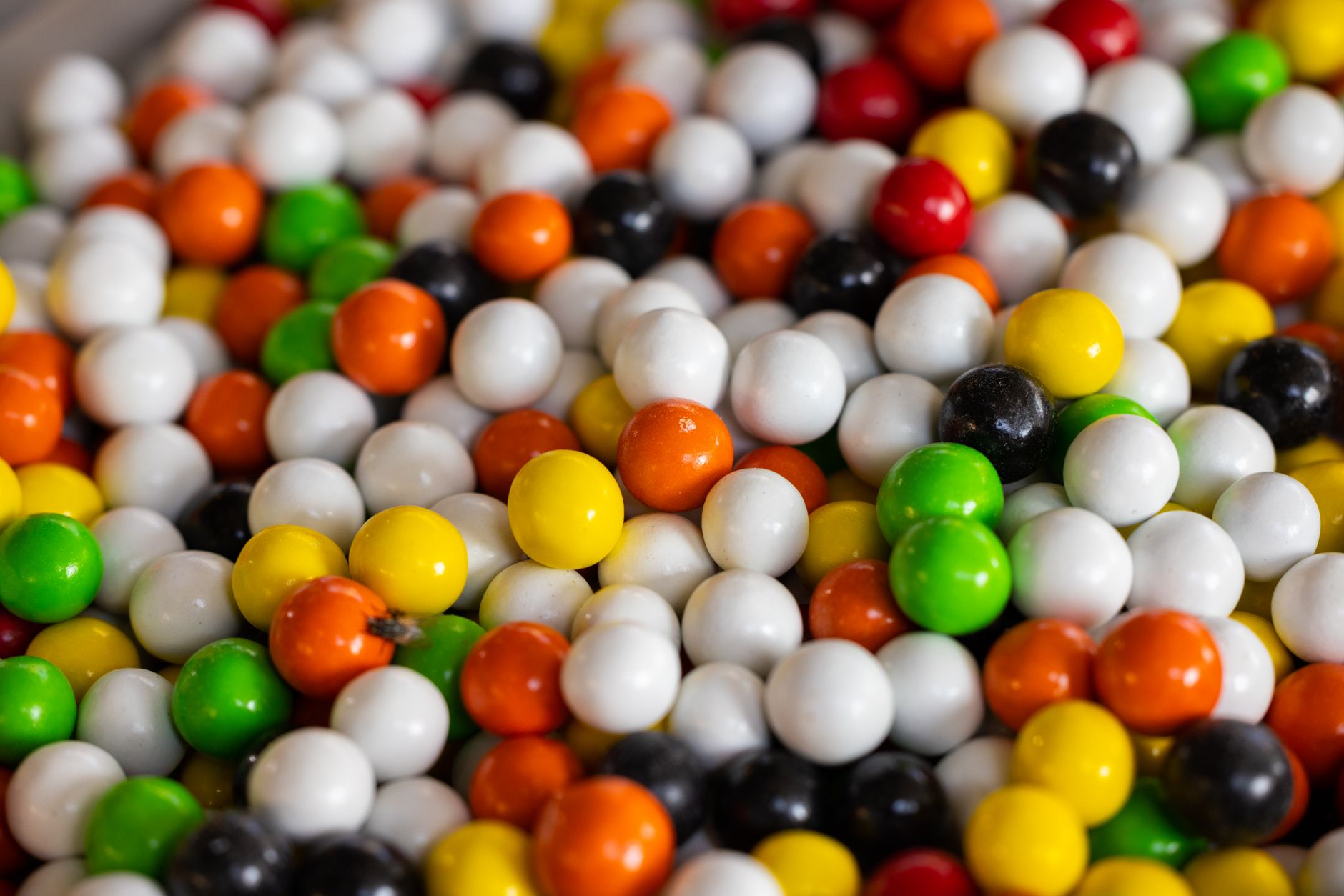
Many people enjoy chewing gum for refreshment or flavor. However, there is often confusion about how long it lasts before it expires. Understanding the shelf life of gum can help you avoid an unpleasant chewing experience. This guide explores how long it takes for gum to expire, its storage guidelines, and how to recognize when it’s time to toss it out.
Gum is made from a mixture of natural and artificial ingredients, including sweeteners and flavorings. While it doesn’t spoil in the traditional sense, its quality can decline over time. This guide will clarify expiration dates, storage techniques, and tips for maximizing your gum experience.
How Long Does It Take for Gum to Expire?
The expiration date of gum can vary significantly depending on the type and brand. Most commercially produced chewing gum has a shelf life of about 6 to 12 months from the date of manufacture if stored correctly. After this period, the gum can lose its flavor, texture, and overall quality, even if it doesn’t pose a safety risk.
Keep in mind that the expiration date is often printed on the packaging. While this date serves as a guideline, chewing gum can still be fine to use after it passes this date, although you may notice reduced flavor and a tougher bite.
Factors Influencing Gum Quality
Several factors can influence how long gum lasts. Understanding these factors can help you take better care of your gum inventory.
Type of Gum
Gums fall into different categories, such as sugarless, regular, and specialty gums. Sugarless gums often last longer than regular gums, primarily due to the absence of sugar content, which can attract moisture and lead to quicker degradation. Specialty gums, flavored with unique ingredients, may also have varying shelf lives.
Ingredients
The ingredients in gum can significantly impact its longevity. High-quality ingredients, such as natural sweeteners or essential oils, can preserve flavor longer compared to artificial additives. Always check the label for ingredient quality if you want gum that lasts.
Storage Conditions
Proper storage is essential for preserving gum quality. Gum should be kept in a cool, dry place away from direct sunlight and humidity, which can accelerate spoilage. An airtight container can also help extend its shelf life.
How to Properly Store Gum
Storing gum correctly can help maintain its freshness and flavor for as long as possible. Here are some effective storage tips:
- Use Airtight Containers: If you’ve opened a pack, consider moving the gum to an airtight container to prevent moisture exposure.
- Avoid Heat and Light: Store gum away from heat sources and light, which can cause it to melt or lose its flavor.
- Check Humidity Levels: High humidity can compromise gum’s texture and flavor. Aim to keep it in a dry environment.
Recognizing Expired Gum: Signs to Look For
While gum may not spoil in the typical sense, you should be cautious if you notice the following signs:
- Texture Changes: If the gum feels overly hard or crumbly, it may have expired.
- Loss of Flavor: If the gum no longer tastes as it should, it is likely past its prime.
- White Spots or Crystallization: These can indicate moisture exposure, which can affect both flavor and texture.
What Happens If You Chew Expired Gum?
Generally, chewing expired gum is not dangerous, but it may lead to an unpleasant experience. The flavor might be muted, and the texture may be off-putting. If the gum has signs of spoilage, it’s advisable not to chew it.
Conclusion
In conclusion, while chewing gum can last many months, it’s essential to keep an eye on the expiration date and observe proper storage practices to maintain quality. Always check for signs of spoilage before indulging, and don’t hesitate to recycle old gum when it no longer meets your standards.
Exploring flavors and types of gum can enhance your chewing experience. For more information on food storage and expiration, check out our articles on whether chia seeds go bad and if food coloring expires.