
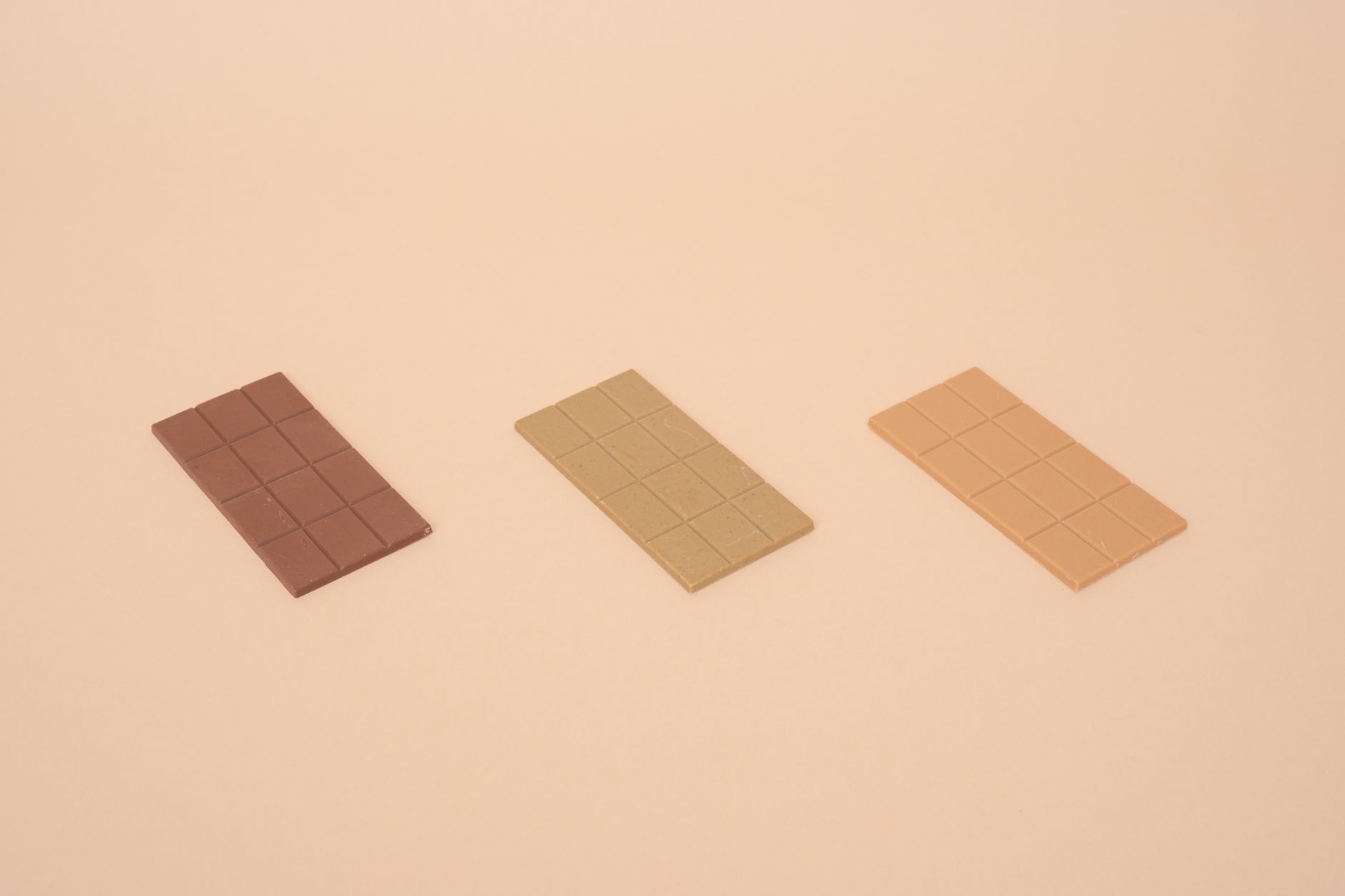
Chocolate is a beloved treat enjoyed around the world, with its rich flavors and decadent textures. However, like all foods, chocolate has a shelf life and can go bad under certain conditions. Understanding how long chocolate lasts and the best ways to store it can help you enjoy this delightful confection at its best.
In this article, we will explore the shelf life of different types of chocolate, factors that affect its longevity, signs of spoilage, and essential storage tips to keep your chocolate fresh for as long as possible.
How Long Does It Take For Chocolate To Go Bad?
The shelf life of chocolate varies depending on the type and storage conditions. Generally, solid chocolate can last anywhere from 1 to 2 years if stored properly, while chocolate with fillings may last 6 months to a year. Once opened, chocolate may have a shorter lifespan but can still be enjoyable for several months.
Understanding Chocolate Types
Before diving into the specifics of chocolate shelf life, it’s important to understand the different types of chocolate available:
- Dark Chocolate: Contains a high percentage of cocoa solids and little to no milk solids. Dark chocolate can last 1 to 2 years when stored properly.
- Milk Chocolate: Contains both cocoa solids and milk solids, giving it a creamier texture. Milk chocolate typically has a shelf life of 1 year.
- White Chocolate: Made from cocoa butter, sugar, and milk solids, without cocoa solids. White chocolate usually lasts about 6 months to 1 year.
- Chocolate with Fillings: Filled chocolates or truffles often have a shorter shelf life, typically around 6 months to 1 year, depending on the ingredients.
Factors Affecting Chocolate Shelf Life
Several factors play a role in how long chocolate lasts:
- Ingredients: Chocolate with dairy or fruit fillings has a shorter lifespan due to perishability.
- Storage Conditions: Exposure to heat, moisture, and light can cause chocolate to spoil or lose quality.
- Packaging: Unopened chocolate retains freshness better than opened chocolate. Packaging helps protect it from environmental factors.
Signs That Chocolate Has Gone Bad
It’s essential to know how to identify spoiled chocolate. Here are the signs you should look for:
- White Bloom: A whitening effect on the surface due to fat or sugar crystallization. It’s not harmful but may affect texture and flavor.
- Off Odor: A rancid smell can indicate that the fats in chocolate have gone bad.
- Texture Changes: Chocolate may become crumbly or develop an unusual consistency if exposed to moisture.
- Improper Taste: An off or sour taste indicates that the chocolate is no longer good to eat.
Storing Chocolate: Best Practices
To maximize the shelf life of your chocolate, follow these storage tips:
1. Keep It Cool and Dry
Store chocolate in a cool, dry place away from heat sources. A temperature range of 60°F to 70°F is ideal.
2. Avoid Humidity
Moisture can lead to spoilage. Store chocolate in an airtight container to prevent humidity from affecting it.
3. Protect from Light
Keep chocolate away from direct sunlight and bright indoor lighting. Light can cause degradation of quality over time.
4. Use Original Packaging
If unopened, keep chocolate in its original wrapper as it often provides the best protection. Once opened, store in an airtight container.
5. Refrigeration Considerations
While refrigeration is not generally recommended due to condensation risks, it can be useful in hot and humid environments. If you choose to refrigerate chocolate, place it in an airtight container and allow it to return to room temperature before enjoying.
Can You Freeze Chocolate?
Freezing chocolate is an option if you want to extend its shelf life even further. However, it is essential to follow specific steps:
- Wrap chocolate tightly in plastic wrap and then place it in an airtight container or freezer bag.
- Label the container with the date to track how long it has been frozen.
- To thaw, let the chocolate sit in the refrigerator for several hours, then bring it to room temperature before unwrapping.
How to Use Expired Chocolate
If you find your chocolate has passed its recommended consumption date but does not show signs of spoilage, consider these options:
- Baking: Use it in recipes where melting is required, as this can mask minor texture issues.
- Drinks: Melt chocolate into hot drinks like cocoa or coffee for added flavor.
- Sauces: Incorporate expired chocolate into sauces or fondue where it will be heated.
Conclusion
Knowing how long chocolate takes to go bad, along with proper storage practices, can help you enjoy your favorite chocolate treats at their best. By understanding the signs of spoilage and making smart storage choices, you can prolong the life of your chocolate and avoid waste.
Explore related recipes and guides to enhance your chocolate enjoyment, like how chia seeds go bad or the nuances of vegan chocolate.