
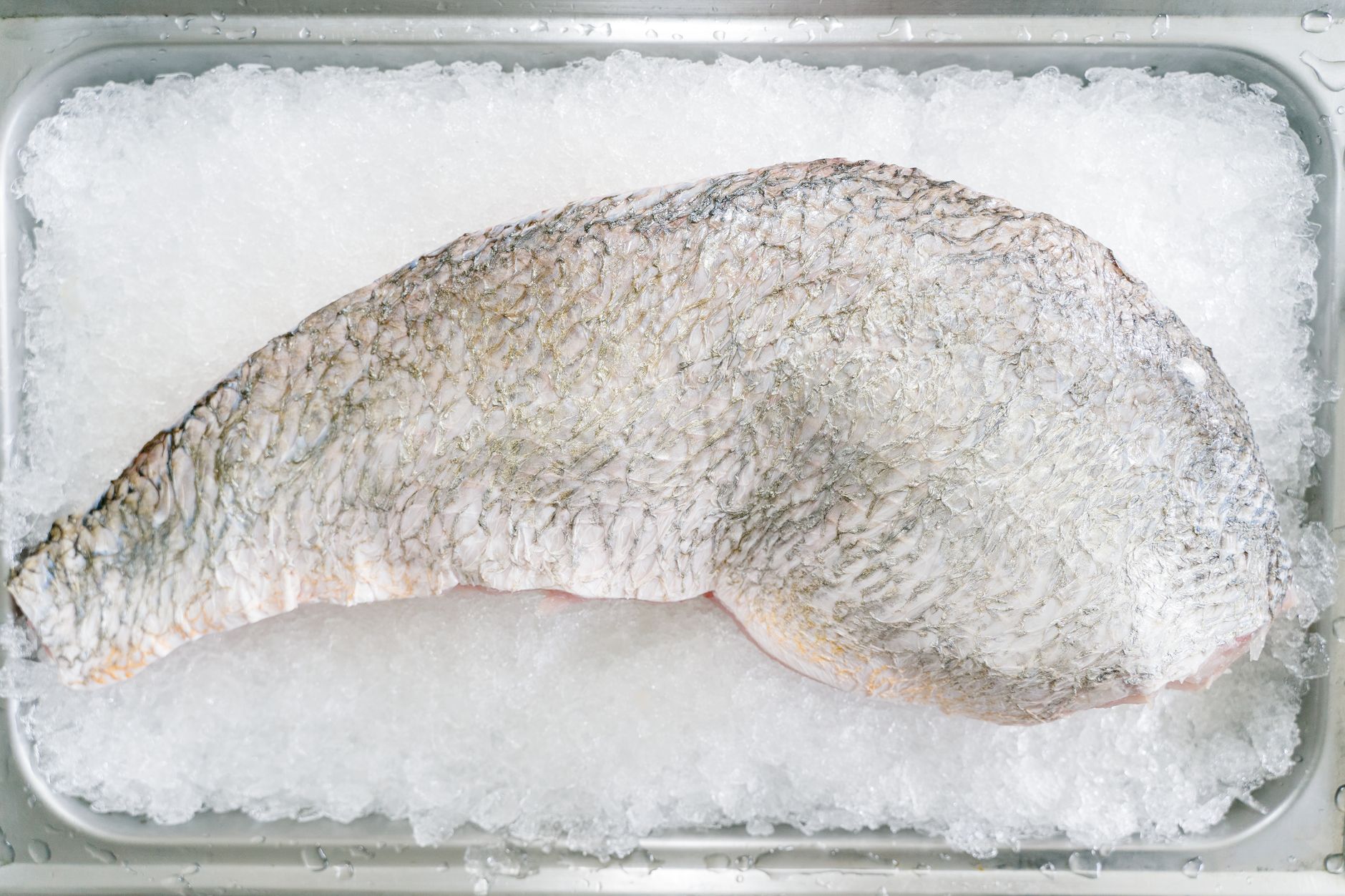
Frozen fish is a convenient and versatile ingredient that can be used in a multitude of dishes, making it a staple in many kitchens. Understanding how long frozen fish lasts can help avoid waste and ensure you maintain the best quality and taste in your meals.
This article will delve into the shelf life of various types of frozen fish, offer tips on proper freezing and storage techniques, and provide guidance on thawing methods. With this knowledge, you can confidently store and prepare frozen fish for delicious meals at home.
How Long Does Frozen Fish Last?
The shelf life of frozen fish varies depending on the type of fish and how it is stored. Generally, properly frozen fish can last anywhere from six months to two years in the freezer without significant loss of quality. However, for optimal taste and texture, fish should ideally be consumed within three to six months.
Types of Frozen Fish and Their Shelf Life
Different species of fish have distinct characteristics, which also affect their durability when frozen. Below are some common types of frozen fish and their recommended storage durations:
- Lean Fish (e.g., cod, haddock, sole): 6 to 12 months
- Fatty Fish (e.g., salmon, mackerel, trout): 2 to 3 months
- Shellfish (e.g., shrimp, scallops, crab): 3 to 12 months, depending on type and preparation
- White Fish (e.g., flounder, snapper, bass): 6 to 12 months
- Fish Fillets: 4 to 6 months
- Whole Fish: 6 to 12 months
Freezing Fish: Best Practices
To maximize the shelf life of frozen fish, following proper freezing practices is essential. Here are some tips for freezing fish effectively:
- Choose Fresh Fish: Always start with high-quality, fresh fish. The fresher the fish, the better the flavor and texture when cooked later.
- Clean and Prepare: Clean the fish thoroughly to remove any scales or innards. Rinse well and pat dry. If freezing in fillets or portions, cut them beforehand.
- Wrap Properly: To prevent freezer burn, wrap fish tightly in plastic wrap, aluminum foil, or freezer paper. Alternatively, vacuum-seal the fish to remove air and prevent ice crystallization.
- Label and Date: Clearly label each package with the type of fish and the date frozen. This will help you track how long it’s been in the freezer.
- Maintain Consistent Temperature: Keep your freezer at 0°F (-18°C) or lower to ensure fish remains safe for consumption.
Thawing Frozen Fish Safely
Thawing is a crucial step that can impact the quality and safety of the fish. Here are safe methods for thawing frozen fish:
Refrigerator Thawing
The best method for thawing fish is to transfer it from the freezer to the refrigerator. This allows for a gradual thaw, helping maintain its texture and flavor. Fish should typically be thawed overnight, allowing it to remain at a safe temperature.
Cold Water Thawing
If you need to thaw fish more quickly, place the sealed fish in a bowl of cold water. Change the water every 30 minutes. Depending on the size of your fish fillet or whole fish, this could take about an hour or less.
Microwave Thawing
While using a microwave can be quicker, it is essential to proceed with caution. Use the defrost setting, and keep a close eye on the fish to avoid partially cooking it, which can negatively impact texture. After thawing in the microwave, cook the fish immediately.
Common Mistakes to Avoid When Freezing Fish
Freezing fish might seem straightforward, but there are common pitfalls to be aware of. Here are a few mistakes to avoid:
- Not Using Proper Wrapping: If fish is not wrapped tightly or is stored in non-freezer-safe containers, freezer burn can occur, leading to loss of flavor and texture.
- Freezing Fish Too Late: The longer fish sits in the refrigerator before being frozen, the more it deteriorates. Aim to freeze fish the same day you buy it.
- Thawing Incorrectly: Avoid thawing at room temperature, as this can promote bacterial growth. Always use safe thawing methods.
- Overcrowding the Freezer: A crowded freezer can prevent cold air from circulating properly, affecting the freezing process. Make sure to give your fish enough space.
Signs That Frozen Fish Has Gone Bad
Despite your best efforts, frozen fish may sometimes go bad. Here are some signs to look out for:
- Off Odor: A strong, unpleasant smell indicates spoilage. Fresh fish should smell mild and briny.
- Freezer Burn: White or grayish patches on the fish are signs of freezer burn, which can affect texture and taste. While not harmful, fish with freezer burn may not have the best flavor.
- Change in Texture: If the fish feels mushy or slimy after thawing, it may no longer be safe to eat.
- Discoloration: Any unusual color changes, especially brown or dull spots, can signify deterioration.
How to Cook Frozen Fish
Cooking frozen fish is often easier than people think, and sometimes you can cook it straight from the freezer. Here are some methods to prepare frozen fish:
Baking Frozen Fish
- Preheat your oven to 400°F (200°C).
- Place the frozen fish fillets on a baking sheet lined with parchment paper.
- Season the fish with herbs, spices, or a marinade of your choice.
- Bake for 20-25 minutes, or until the fish flakes easily with a fork and reaches an internal temperature of 145°F (63°C).
Grilling Frozen Fish
- Preheat the grill to medium heat.
- Brush the frozen fish fillets with olive oil and season.
- Place the fillets on the grill and cook for about 6-8 minutes on each side, depending on thickness.
- Check for doneness using a food thermometer; it should read 145°F (63°C).
Sautéing Frozen Fish
- In a skillet, heat oil over medium-high heat.
- Add the frozen fish and let it cook for about 5-7 minutes on one side.
- Flip and continue cooking for another 5-7 minutes until cooked through and flaky.
Meal Planning with Frozen Fish
Utilizing frozen fish in meal planning can save time and add variety to your meals. Here are some ideas to incorporate frozen fish into your weekly meals:
- Fish Tacos: Use frozen white fish or cod, seasoning it with spices for a delicious filling.
- Curry Dishes: Frozen salmon works well in rich coconut curries, adding a satisfying protein.
- Stir-Frys: Shrimp and scallops are excellent choices for quick stir-fry dinners.
- Fish and Chips: Pair frozen fish fillets with homemade fries for a classic take.
Storing and Reheating Cooked Fish
If you have leftovers after cooking fish, it’s essential to store them properly to extend their shelf life:
- Refrigerate Promptly: Store cooked fish in the refrigerator within two hours of cooking.
- Use Airtight Containers: Place leftovers in airtight containers to prevent drying out or absorbing odors.
- Consume Quickly: Cooked fish should be eaten within 3-4 days for the best quality and safety.
To reheat cooked fish, avoid microwaving, which may result in a rubbery texture. Instead, use an oven preheated to 350°F (175°C) and cover with foil to retain moisture. Heat until warmed through, about 10-15 minutes.
Conclusion
Understanding how long frozen fish lasts, along with proper freezing, thawing, and cooking techniques, is crucial for anyone looking to make the most of this versatile ingredient. By implementing these tips, you can enjoy frozen fish dishes without compromising on flavor or safety. Start planning your next fish meal today by utilizing the best practices for freezing and cooking.
If you’re interested in related articles, explore how long cooked chicken lasts, or check out how to cook tilapia for more culinary inspiration.