
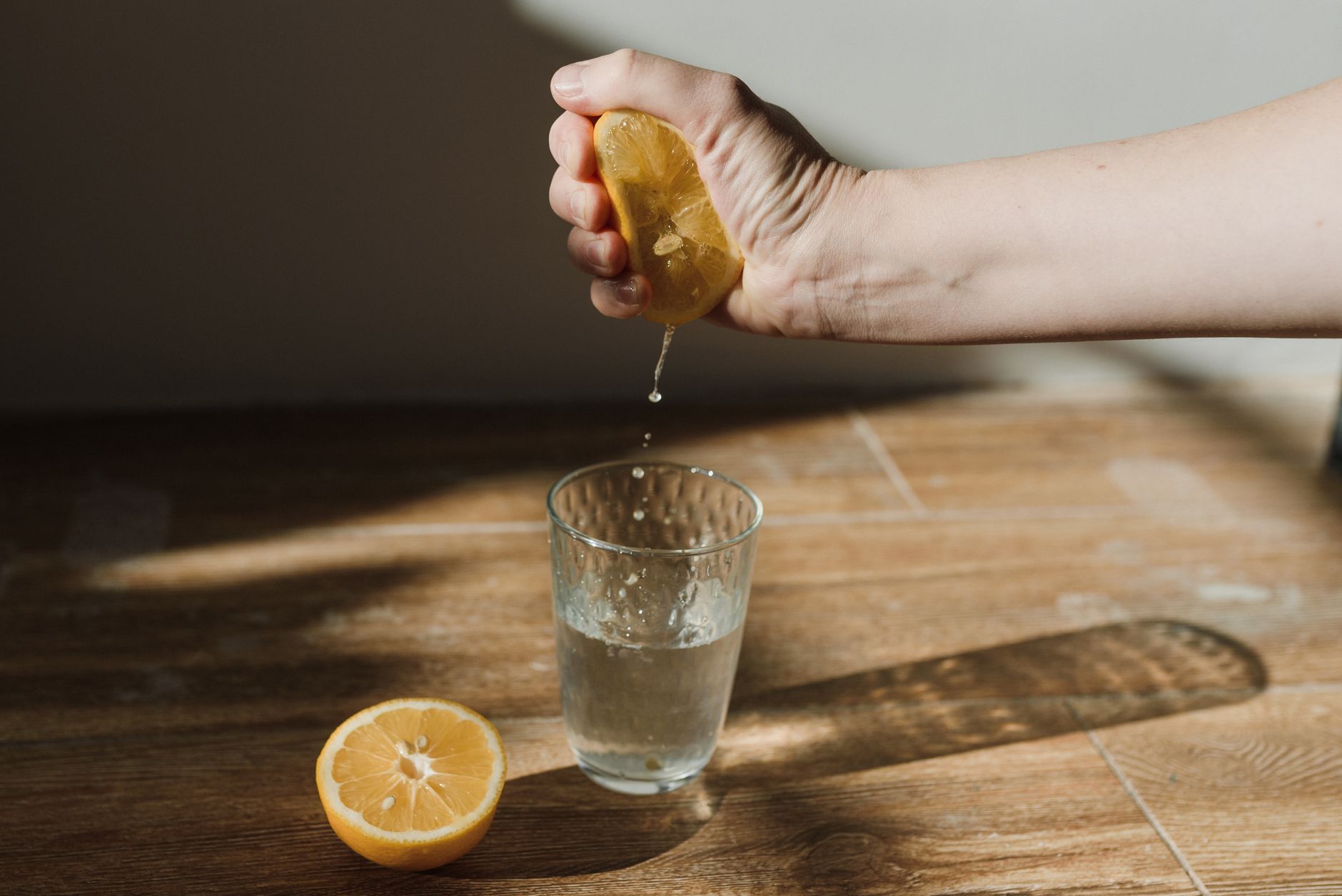
Lemon juice is a versatile ingredient that can elevate your dish’s flavor, serve as a refreshing beverage, or add zest to your favorite desserts. Learning how to store fresh squeezed lemon juice properly is crucial to maximizing its freshness and flavor.
In this guide, we will explore how long fresh squeezed lemon juice lasts, the best methods for storing it, and tips to keep your lemon juice tasting its best for as long as possible.
How Long Does Fresh Squeezed Lemon Juice Last?
Fresh squeezed lemon juice can typically last for about 2 to 3 days when stored in the refrigerator. However, various factors, such as storage method and exposure to air, can impact its longevity. Understanding these factors will help you get the most out of your lemon juice.
Understanding Fresh Squeezed Lemon Juice
Fresh squeezed lemon juice is derived from the juice of ripe lemons, offering a bright, tangy flavor with vibrant acidity. Unlike bottled lemon juice, which often contains preservatives, fresh squeezed lemon juice provides a fresher taste, making it preferable for many culinary applications.
Flavor Profile
The flavor of fresh squeezed lemon juice is sharp, tart, and refreshing. Its acidity can enhance both sweet and savory dishes. Whether you’re using it in salad dressings, marinades, desserts, or beverages, it will bring brightness and balance to a variety of recipes.
Storage Conditions
Storage conditions play a significant role in determining how long fresh squeezed lemon juice lasts. Here are essential factors to consider:
- Container: Use an airtight container to minimize exposure to air.
- Temperature: Refrigerate lemon juice immediately after squeezing to slow down spoilage.
- Light: Store the juice in a dark-colored container or cover it to protect it from light.
How to Store Fresh Squeezed Lemon Juice
Proper storage is essential to extend the shelf life of fresh squeezed lemon juice. Here are the best methods:
Refrigeration
The most straightforward method of preserving fresh squeezed lemon juice is refrigerating it. Follow these steps for optimal storage:
- Choose a clean, airtight container, such as a glass jar or a plastic squeeze bottle.
- Pour the fresh squeezed lemon juice into the container, leaving some space at the top to allow for expansion, especially if you freeze it later.
- Seal the container tightly and store it in the refrigerator.
Under these conditions, expect your lemon juice to stay fresh for about 2 to 3 days. After this period, the flavor may start to degrade, and it could develop off-flavors.
Freezing for Long-Term Storage
If you need to store lemon juice for more extended periods, freezing is an excellent option. Here’s how to do it:
- Pour the fresh squeezed lemon juice into ice cube trays, filling each compartment about two-thirds full.
- Freeze the trays until the lemon juice is solid.
- Transfer the frozen lemon juice cubes to a resealable freezer bag, ensuring you label the bag with the date.
- Store the bag in the freezer for up to 4 to 6 months.
This method allows you to grab a cube or two whenever you need fresh lemon juice without the concern of spoilage.
Thawing Frozen Lemon Juice
When you’re ready to use your frozen lemon juice, here’s how to thaw it:
- Transfer the desired number of cubes to the refrigerator for a few hours or overnight.
- For quicker thawing, place the cubes in a bowl at room temperature for about 30 minutes or use a microwave in short intervals.
Once thawed, use the lemon juice within a few days for the best flavor.
Identifying Spoiled Lemon Juice
It’s essential to recognize the signs of spoiled lemon juice to avoid using it in your cooking or beverages.
Visual and Olfactory Cues
Here are a few things to check:
- Color: Fresh lemon juice should be a light yellow color. If it’s darker or appears cloudy, that can indicate spoilage.
- Smell: Fresh lemon juice has a vibrant, zesty aroma. If it smells off or has a fermented scent, it is no longer safe to use.
- Flavor: If the taste has turned bitter or sour beyond the natural tartness, it is likely spoiled.
Cooking and Baking with Fresh Squeezed Lemon Juice
Fresh squeezed lemon juice is a staple in many recipes. Here are some popular applications:
Salad Dressings
Lemon juice can brighten up salads by serving as a base for vinaigrettes. Combine with olive oil, salt, and pepper for a quick dressing.
Marinades
Use lemon juice in marinades for chicken, fish, or tofu. It helps tenderize the meat while infusing it with flavor.
Desserts
Incorporate lemon juice into desserts like lemon meringue pie, lemon bars, or sorbets. It adds a refreshing tang that balances sweetness.
Beverages
Lemonade is a classic drink made with fresh squeezed lemon juice, sugar, and water. You can also use it in cocktails or sparkling water for a refreshing twist.
Substitutes for Fresh Squeezed Lemon Juice
While fresh squeezed lemon juice is often the best choice for recipes, there may be instances where you need a substitute. Here are a few alternatives:
- Bottled Lemon Juice: While convenient, bottled lemon juice may contain preservatives. Use it in equal amounts as a substitute, but be aware of the slightly different flavor.
- Vinegar: In savory dishes, white wine vinegar or apple cider vinegar can be used as a substitute. Use about half the amount since they’re more potent.
- Lime Juice: Fresh lime juice can be used interchangeably with lemon juice in most recipes, offering a similar acidity.
Practical Tips for Using Fresh Squeezed Lemon Juice
Here are some tips to help you make the most of your fresh squeezed lemon juice:
- Choose Ripe Lemons: Look for firm and heavy lemons; these yield the most juice.
- Roll Before Squeezing: Roll lemons on the countertop to break down the internal membranes, helping to release more juice.
- Strain the Juice: Use a fine-mesh strainer to remove seeds and pulp for a smoother result in drinks or dressings.
Common Mistakes to Avoid
When working with fresh squeezed lemon juice, try to avoid these common pitfalls:
- Storing at Room Temperature: Leaving freshly squeezed lemon juice out can lead to rapid spoilage.
- Freezing Unpacked Juice: Pouring lemon juice directly into a container without air-tight sealing can cause freezer burn and flavor loss.
- Using Old Lemons: Squeezing juice from older lemons can yield less juice and affect the flavor quality.
Conclusion
Fresh squeezed lemon juice adds a robust flavor profile to a variety of dishes and drinks. When stored correctly, it can retain its freshness and taste for 2 to 3 days in the refrigerator, or longer when frozen. Remember to check for signs of spoilage to ensure optimal quality in your cooking.
Explore related recipes, cooking tips, or food guides, such as making lemon pepper seasoning from scratch, or try your hand at a delicious lemon icebox pie.