
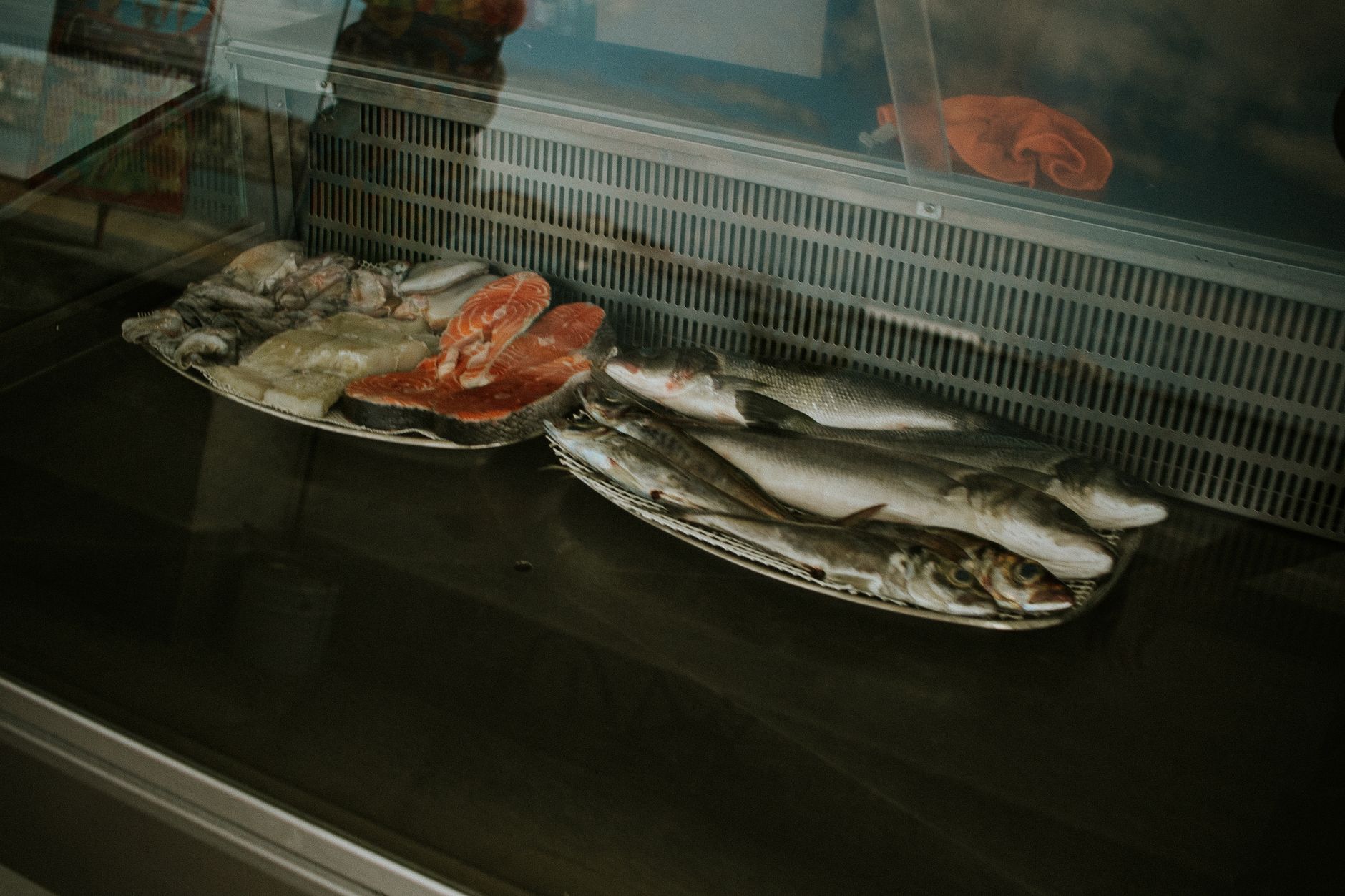
When it comes to cooked salmon, understanding proper storage methods is essential to ensure both quality and food safety. Knowing how long cooked salmon lasts in the refrigerator helps you make the most out of your meals and minimize waste. This article explores the storage life of cooked salmon, along with valuable tips on handling and reheating it.
With its rich flavor and health benefits, cooked salmon is a popular choice for many home cooks. However, to enjoy this delicious fish safely, it’s crucial to learn about its shelf life and how to store it correctly. Let’s dive into how long cooked salmon keeps in the refrigerator and the best practices for keeping it fresh.
How Long Does Cooked Salmon Keep in the Fridge?
Cooked salmon typically lasts for three to four days in the refrigerator when stored properly. To maximize its freshness, it’s best to store it in an airtight container and place it in the coldest part of the fridge. Keeping track of the storage time can help you enjoy your salmon at its best quality without compromising safety.
Understanding Food Safety and Cooked Salmon
Salmon, being a fish, has specific guidelines when it comes to food safety. Here are some key points to consider:
- Cooked salmon should be refrigerated within two hours after cooking to avoid the growth of harmful bacteria.
- The refrigerator temperature should be set at 40°F (4°C) or below to ensure safe storage.
- When storing cooked salmon, it’s important to use airtight containers to prevent the absorption of odors from other food items and to maintain moisture.
Signs that Cooked Salmon Has Gone Bad
Even when following proper storage guidelines, it’s essential to be cautious. Here are some signs that cooked salmon has spoiled:
- Off Smell: Fresh salmon should have a mild scent. If it smells sour, rancid, or overly fishy, it’s best to discard it.
- Change in Texture: Fresh cooked salmon should feel firm. If it becomes slimy or excessively dry, it’s no longer safe to eat.
- Discoloration: Look for any significant color changes, such as browning or dullness. Fresh salmon should be a vibrant pink or orange.
Storage Tips for Cooked Salmon
To prolong the life of your cooked salmon, here are some storage tips that can help:
- Use Airtight Containers: Choose containers that seal tightly to keep air out, which helps maintain freshness.
- Cool Down Properly: Allow the salmon to cool at room temperature for a maximum of 30 minutes before refrigeration to avoid raising the fridge temperature.
- Label Your Containers: If you have multiple containers in the fridge, label them with the date of cooking to keep track of freshness.
- Avoid Freezing if Possible: While cooked salmon can be frozen for longer storage, its texture may change when thawed. For the best quality, consume it fresh before freezing.
Reheating Cooked Salmon
When you’re ready to enjoy your stored cooked salmon, reheating it correctly is important to maintain its flavor and texture. Here are some methods you can use:
1. Oven Method
- Preheat your oven to 350°F (175°C).
- Place the salmon in a baking dish. You can add a splash of water or broth to keep it moist.
- Cover the dish with aluminum foil and heat for about 10-15 minutes, or until it reaches an internal temperature of 165°F (74°C).
2. Stovetop Method
- Heat a nonstick skillet over low heat.
- Add a small amount of oil or butter to the pan and place the salmon in it.
- Cover the skillet and heat for about 5-7 minutes, flipping once to heat evenly.
3. Microwave Method
- Place the salmon on a microwave-safe plate and cover it with a damp paper towel.
- Microwave on medium power for 1-2 minutes, checking regularly until warmed through.
- Ensure the salmon’s internal temperature reaches 165°F (74°C) before consuming.
Creative Ways to Use Leftover Cooked Salmon
If you have leftover cooked salmon, there are various delicious dishes you can create. Here are a few ideas:
- Salmon Salad: Flake the salmon and mix it with mayonnaise, diced celery, red onions, and seasonings for a tasty salad. Serve on sandwiches or with crackers.
- Salmon Pasta: Toss flaked salmon with pasta, cream sauces, or pesto for a quick and satisfying meal.
- Salmon Tacos: Use the cooked salmon as a filling for tacos, adding avocado, cilantro, and a squeeze of lime for a fresh flavor.
- Salmon Quiche: Incorporate salmon into a quiche or frittata with eggs, cheese, and vegetables for a hearty breakfast or brunch.
Can You Freeze Cooked Salmon?
Freezing cooked salmon can extend its shelf life significantly beyond the refrigerator, but it may affect the texture. If done correctly, you can freeze cooked salmon for up to three months. Here’s how to do it properly:
- Allow the salmon to cool completely after cooking.
- Wrap the salmon tightly in plastic wrap or aluminum foil, ensuring there are no air pockets.
- Place the wrapped salmon in an airtight freezer bag or a freezer-safe container. Label with the date for easy tracking.
- When ready to use, thaw it in the refrigerator overnight before reheating.
Common Mistakes to Avoid
When it comes to storing and reheating cooked salmon, here are some common mistakes to avoid:
- Leaving it out at room temperature for too long before refrigerating.
- Storing salmon in open containers, which can lead to drying out or absorbing other odors.
- Reheating the salmon on high heat, which can lead to overcooking and drying out the fish.
Conclusion
Cooked salmon can be a delightful and nutritious addition to your meals, and by understanding its shelf life and proper storage techniques, you can minimize waste and enjoy it at its best. Remember that cooked salmon can last three to four days in the refrigerator, so be mindful of how long it has been stored. Reheat it gently and consider delicious ways to repurpose any leftovers. For safe storage, use airtight containers and monitor for signs of spoilage.
Explore more about your food storage options by checking out related articles on how long is chicken good for in the fridge, how long does cooked chicken last, and how long do beans last in the fridge. Ensuring food safety in your kitchen is as important as the meals you create!