
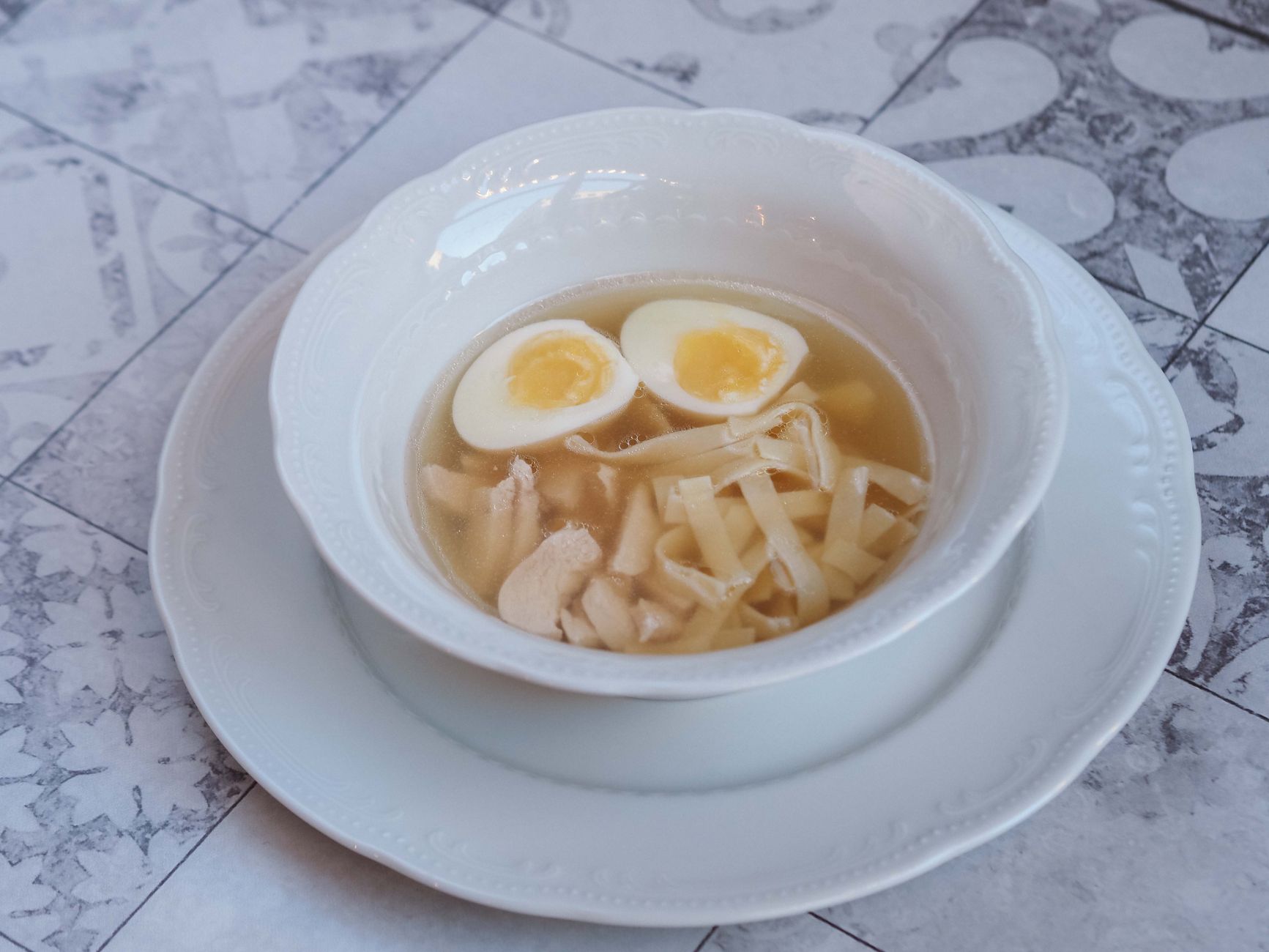
Boiled chicken is a versatile and healthy cooking technique that can be used in a variety of dishes. It yields tender, juicy meat that can be added to salads, sandwiches, or served with sauces. If you’re wondering how long it takes to boil chicken, you’ve come to the right place.
This article will guide you through the factors affecting cooking time, the best methods for boiling chicken, and important safety tips to ensure a delicious outcome.
How Long Does Boiled Chicken Take to Cook?
The cooking time for boiled chicken varies based on several factors, including the size of the chicken pieces and whether they are boneless or bone-in. Typically, boneless chicken breasts take about 15-20 minutes to cook, while bone-in chicken, such as thighs or drumsticks, may take 30-40 minutes.
Factors That Affect Boiling Time
Understanding the factors that influence boiling time can help you achieve perfectly cooked chicken every time.
Size and Thickness
The size and thickness of the chicken pieces play a critical role in determining how long they take to boil. Thicker cuts like bone-in chicken legs will naturally require longer cooking times than thinner cuts like boneless chicken breasts. This is important for achieving tenderness and ensuring the meat is cooked all the way through.
Type of Chicken
Different parts of the chicken have varying cooking times. Here are some general guidelines:
- Boneless Chicken Breasts: 15-20 minutes
- Bone-in Chicken Breasts: 25-30 minutes
- Chicken Thighs (Boneless): 20-25 minutes
- Chicken Thighs (Bone-in): 30-40 minutes
- Chicken Wings: 20-25 minutes
- Whole Chicken: 1-1.5 hours
Altitude
If you live at a high altitude, the boiling point of water is lower, which can affect cooking times. In such cases, you may need to extend cooking times slightly beyond the standard recommendations.
How to Boil Chicken
Boiling chicken is a straightforward process that involves a few simple steps. Follow the instructions below to boil chicken effectively.
Essential Equipment
- Large pot or stockpot
- Food thermometer
- Slotted spoon or tongs
- Sharp knife for slicing
Ingredients
- Chicken pieces (e.g., breasts, thighs, legs, or a whole chicken)
- Water or chicken broth
- Salt (to taste)
- Pepper (to taste)
- Herbs and spices (optional, e.g., bay leaves, thyme, garlic)
Step-by-Step Method
- Place the chicken pieces in a large pot or stockpot.
- Add enough water or chicken broth to cover the chicken completely.
- Add salt, pepper, and any herbs or spices you desire for added flavor.
- Bring the water to a boil over medium-high heat.
- Once boiling, reduce the heat to medium-low and cover the pot. This maintains a gentle simmer.
- Cook the chicken for the recommended time based on the type and size of the pieces.
- Use a food thermometer to check doneness; the internal temperature should reach 165°F (75°C).
- Once cooked, carefully remove the chicken from the pot using a slotted spoon or tongs and let it rest before slicing or shredding.
Ensuring Perfectly Cooked Chicken
While boiling chicken is simple, several tips can help you avoid common mistakes and achieve the best results.
Use a Food Thermometer
Using a food thermometer is the most reliable way to ensure your chicken is fully cooked. Insert the thermometer into the thickest part of the chicken, avoiding bones, to ensure an accurate reading. Always aim for an internal temperature of 165°F (75°C).
Avoid Overcooking
Overcooking chicken can lead to dryness. Once you’ve estimated the cooking time, begin checking the chicken a few minutes before the expected finish to prevent overcooking.
Flavoring Options
The plain taste of boiled chicken can be enhanced by adding flavorings to the cooking water. Consider incorporating:
- Vegetables such as onions, carrots, or celery
- Herbs like parsley, thyme, or dill
- Garlic cloves or ginger slices
- Citrus slices for a refreshing flavor
Cooking Variations
While we’ve focused primarily on boiling, there are variations of cooking chicken that can provide different textures and flavors.
Boiling with Vegetables
Boiling chicken along with vegetables can create a delicious one-pot meal. Simply add cut vegetables to the pot during the last 15-20 minutes of cooking. Carrots, potatoes, and onions are great options.
Making Chicken Stock
If you’re looking to make an even more flavorful dish, consider making chicken stock by boiling a whole chicken. This method allows you to create a rich broth after cooking. Simply follow the same steps but extend the cooking time. Afterward, strain the broth and use it as a base for soups or sauces.
Serving Suggestions
Boiled chicken is incredibly versatile. Here are some serving ideas to consider:
In Salads
Shred or chop boiled chicken and add it to salads with fresh greens, vegetables, and your choice of dressing for a healthy meal.
In Wraps or Sandwiches
Boiled chicken can be sliced and used in wraps or sandwiches. Pair it with your favorite condiments, cheeses, and veggies for a satisfying lunch.
With Rice or Pasta
Serve boiled chicken alongside rice or pasta dishes. You can also incorporate it into stir-fries for a complete meal.
Storage and Reheating Guidelines
To maintain freshness and safety, it’s important to store and reheat boiled chicken properly.
Cooling and Storing
Once the chicken has cooled, store it in an airtight container in the refrigerator for up to 3-4 days. For longer storage, consider freezing the chicken in a freezer-safe bag, where it can last for up to 3 months.
Reheating
To reheat boiled chicken, ensure it reaches a minimum internal temperature of 165°F (75°C) before consuming. You can reheat it in the microwave, on the stovetop, or in the oven, depending on your preference.
Common Mistakes and Troubleshooting
Even simple techniques can go awry. Here are some common pitfalls and solutions when boiling chicken.
Dry Chicken
If your chicken turns out dry, it may have been overcooked. Ensure you are checking the internal temperature with a thermometer before the estimated time is up.
Flavorless Chicken
To avoid bland results, don’t skip the seasoning step. Incorporating salt and spices into the boiling water can significantly enhance the flavor.
Uneven Cooking
If you find that some pieces are undercooked while others are overcooked, try to ensure uniform sizes when preparing the chicken. When boiling whole chickens, consider cutting them into smaller pieces for more even cooking.
Conclusion
Boiling chicken is a practical cooking method that yields delicious, versatile results. Understanding cooking times based on chicken type, using reliable techniques, and incorporating flavors can elevate your boiled chicken dishes.
For further tips on chicken storage, check out how long does cooked chicken last, and for a delicious twist, explore our chicken stock recipe.