
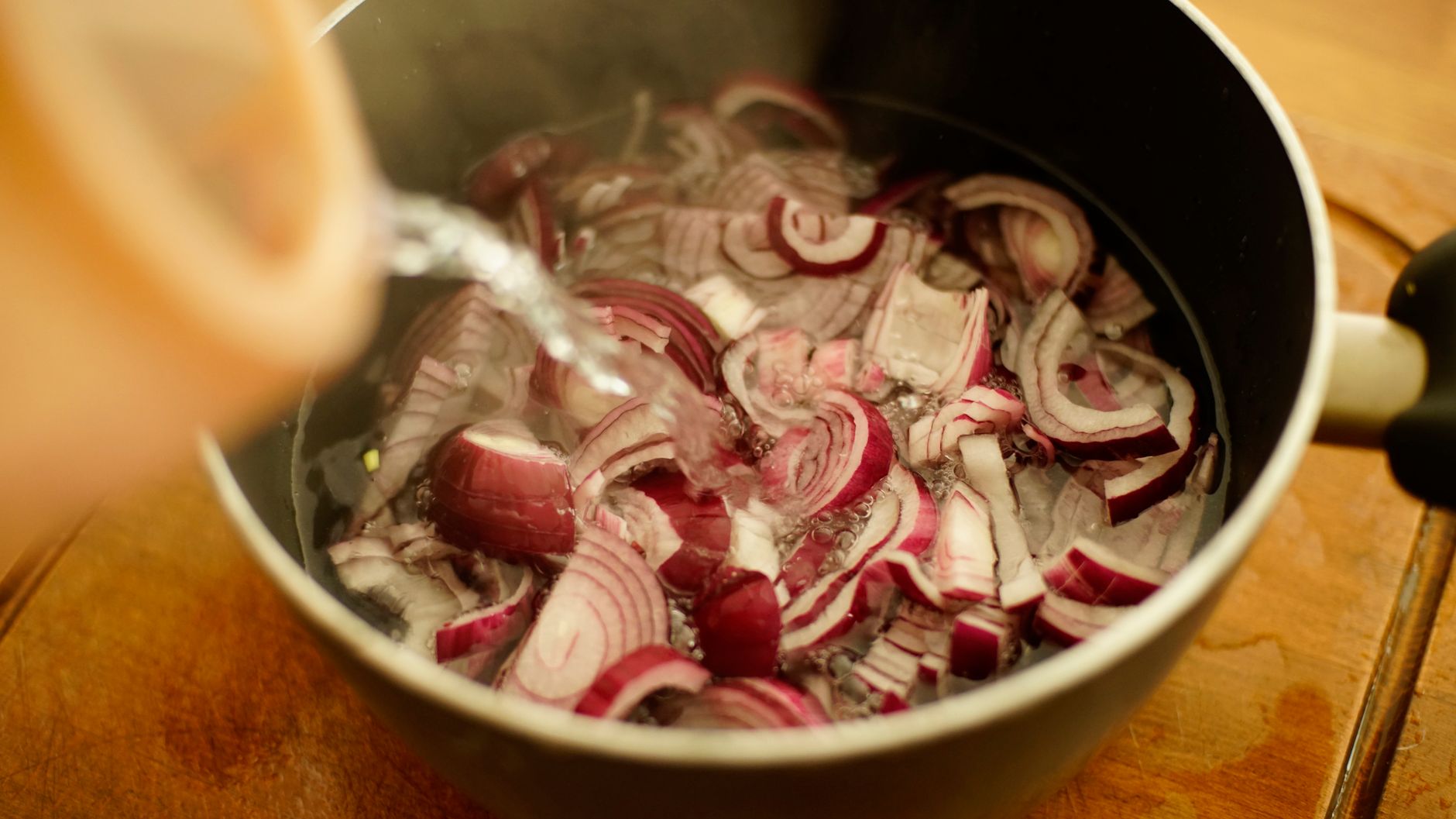
Onions are a staple ingredient in many cuisines around the world, known for their robust flavor and versatility. One delicious way to enjoy them is through an onion boil, a cooking method that enhances their sweetness and tenderness. This article will explore how long to cook an onion boil, along with tips for optimal doneness and flavor.
Cooking onions through boiling not only prepares them for various dishes but also allows their natural sugars to caramelize, resulting in a delectable taste experience. Whether you want to enjoy them in a soup, a side dish, or as a flavorful topping, knowing the perfect timing is crucial to achieving the desired texture and taste.
How Long Do You Cook an Onion Boil?
To cook an onion boil, you should typically simmer the onions for about 20 to 30 minutes. The cooking time can vary depending on the size and type of onion, as well as your desired level of doneness. When closely monitored, this cooking method allows you to create tender, sweet, and flavorful onions.
Understanding the Ingredients
Before diving into cooking, it’s important to understand the types of onions and how their flavor profiles can affect your dish.
Types of Onions
- Yellow Onions: The most commonly used onion, they have a strong flavor that becomes sweet when cooked. They are ideal for boiling.
- White Onions: Slightly milder than yellow onions, they can also be used for boiling but may not provide as deep a flavor.
- Red Onions: Sweet and mildly sharp, red onions can be boiled but are generally preferred raw in salads due to their vibrant color.
- Sweet Onions: Varieties like Vidalia or Walla Walla have high sugar content and result in a flavorful boil.
Choosing the right onion for your recipe can enhance the dish tremendously. Consider the desired flavor and how the onions will complement the overall taste of the meal.
Essential Equipment for an Onion Boil
To efficiently prepare an onion boil, gather the following tools:
- A large pot with a lid
- A cutting board and knife
- A slotted spoon or strainer
- A bowl for ice water (optional for shock-cooking)
Cooking Method: Step-by-Step Instructions
Follow these steps to create a flavorful onion boil:
- Prepare the Onions: Peel the onions and cut off the root end. You can leave them whole or chop them into quarters for faster cooking.
- Boil Water: Fill a large pot with water and bring it to a boil over medium-high heat. You may add salt to enhance the flavor.
- Add the Onions: Once the water is boiling, carefully add the onions. Ensure they are fully submerged.
- Cook the Onions: Cover the pot with a lid, reduce the heat to medium-low, and simmer for 20 to 30 minutes. Use a timer to avoid overcooking.
- Check for Doneness: Test the onions with a fork or knife; they should be tender and easily pierced but not mushy. For whole onions, check at the 25-minute mark.
- Drain and Serve: Using a slotted spoon, remove the onions from the water or pour them into a colander to drain. You may shock them in ice water to halt cooking if needed. Serve warm.
Doneness Indicators for Boiled Onions
Knowing when your onions are done is key to achieving the perfect boil. Here are some visual and texture cues to look for:
- When pierced with a fork, the onions should yield easily without breaking apart.
- The exterior should look translucent, signaling that they have cooked enough.
- If using whole onions, check for cracks; this is often a sign that they are cooked through.
Flavor Enhancements and Variations
Different cooking techniques can enhance the flavor of your onion boil. Here are some ideas to consider:
Seasoning Techniques
- Salt and Pepper: Simple seasoning can bring out the natural sweetness of the onions.
- Herbs: Add aromatics like thyme, rosemary, or bay leaves to the boiling water for additional flavor.
- Vinegar or Lemon Juice: A splash of acid can brighten the flavor, making it more complex.
Variations
- Onion Soup Base: After boiling, blend the onions with some of the cooking liquid, cream, or broth for a quick soup.
- Grilled Onions: After boiling, grill them for added smoky flavor.
- Onion Relish: Chop boiled onions and combine with vinegar, sugar, and spices for a sweet relish.
Common Mistakes and Troubleshooting
To ensure a successful onion boil, avoid these common errors:
Overcooking
Boiling onions for too long can lead to mushiness. Always set a timer and check for tenderness early.
Insufficient Seasoning
Not salting the boiling water can make the onions taste bland. Always add salt to enhance flavor.
Cooking Too Quickly
When boiling, use medium heat to allow the onions to cook evenly. High heat may lead to uneven cooking.
Storage and Reheating Tips
If you have leftover boiled onions, here’s how to store and reheat them:
Storage
Cool the leftover onions to room temperature, then store them in an airtight container in the refrigerator for up to 4 days. To freeze, place them in a freezer-safe bag, removing as much air as possible, and store for up to 3 months.
Reheating
To reheat, place the onions in a covered saucepan over low heat on the stove, or microwave them covered with a damp paper towel until warmed through. You may also add a splash of water or broth to create steam for a more flavorful result.
Serving Suggestions
Cooked boiled onions can enhance a variety of meals. Here are a few serving suggestions:
- As a side dish, finished with butter and herbs.
- Added into casseroles or pastas for extra flavor.
- Used in sandwiches or burgers to provide a sweet crunch.
These onion boils can also be an excellent addition to vegetarian dishes, providing depth to stews or as a topping for baked potatoes.
When to Use an Onion Boil
An onion boil is particularly useful when incorporating onions into larger dishes or when you need pre-cooked onions for recipes that require a more nuanced flavor. It’s a go-to method when making:
- Soups and stews
- Casseroles
- Grain salads
Practical Variations by Cuisine
Onions are used differently in various cuisines. Here are a few suggestions:
Italian Cuisine
In dishes like risotto, you can boil onions and then blend them into a creamy base, enhancing the flavor and texture of the dish.
Indian Cuisine
Boiled onions are often used in curries. Combine boiled onions with spices and tomatoes to create a sauce for your favorite dishes.
French Cuisine
A French onion soup can begin with boiled onions, allowing you to quickly reach a deep flavor before adding broth and cheese.
Conclusion
Boiling onions is a straightforward method that yields sweet, tender results. By following the right cooking time and method, along with seasoning choices, you can transform this humble vegetable into a culinary delight. Whether you’re preparing a side dish, adding to soups, or using them in sauces, properly boiled onions can elevate your meals.
For those looking to expand their look at onion dishes, you might enjoy trying out a recipe for creamy onions at creamed onions or explore how to make a delightful onion jam at onion jam.