
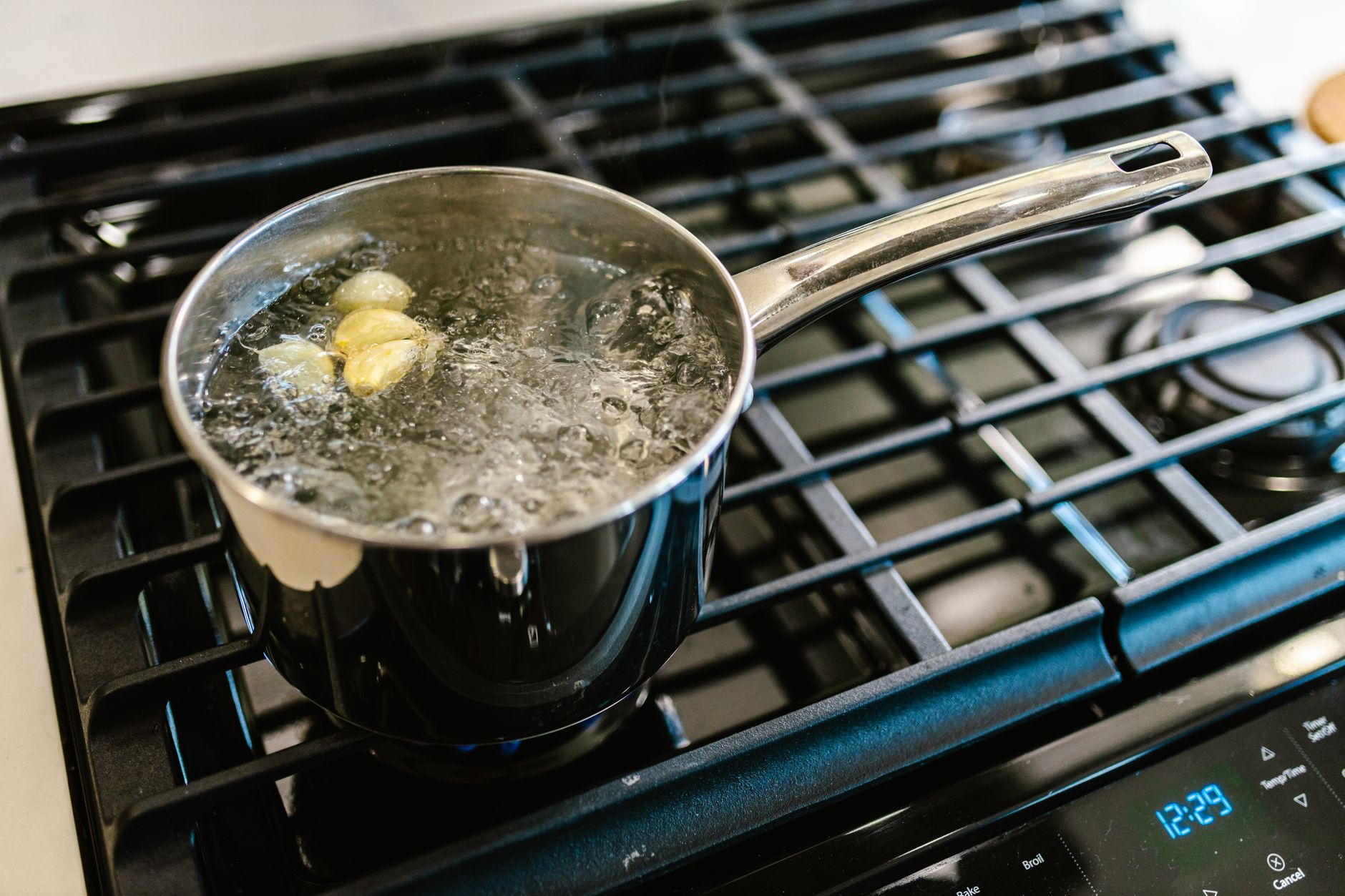
Boiling chicken is a straightforward and versatile cooking method that results in tender, juicy meat with a mild flavor. It’s an excellent choice for meal prep or when you want a quick protein addition to salads, soups, or sandwiches. Understanding how long to boil chicken is crucial to achieving the best texture and doneness without sacrificing flavor.
This guide will explain the process of boiling chicken, including cooking times, tips for doneness, and techniques for different cuts of chicken. Whether you’re preparing for a meal or cooking for the week, knowing how to boil chicken properly will enhance your culinary skills.
How Long Do You Boil Chicken for?
The boiling time for chicken varies based on the cut and its size. For boneless, skinless chicken breasts, aim for 12-15 minutes of boiling. Chicken thighs and legs will require about 25-30 minutes, while whole chickens can take 1 to 1.5 hours. In general, it’s essential to ensure that the internal temperature reaches 165°F to ensure safety.
Understanding Chicken Cuts and Their Cooking Times
Different cuts of chicken require different boiling times due to variations in size and thickness. Here’s a detailed breakdown:
- Boneless, Skinless Chicken Breasts: 12-15 minutes.
- Bone-In Chicken Breasts: 20-25 minutes.
- Chicken Thighs: 25-30 minutes.
- Chicken Drumsticks: 30-35 minutes.
- Whole Chicken: 1-1.5 hours, depending on size (4-5 lbs typical).
These times are estimates and can vary based on many factors. Always check the chicken for doneness before serving.
Preparing to Boil Chicken
Before boiling chicken, ensure you have everything you need for a successful cooking session. Here’s a quick checklist:
- Ingredients: Chicken pieces, water or broth, and optional seasonings (like salt, pepper, garlic, bay leaves).
- Equipment: A large pot or Dutch oven, a thermometer to check the internal temperature, and utensils for handling the chicken.
Choosing the Right Liquid
While plain water can be used to boil chicken, adding flavor through broth or stock enhances the overall taste. Consider using chicken broth or vegetable stock for a richer flavor. Additionally, you can infuse the boiling liquid with herbs and spices, such as thyme, rosemary, or bay leaves, to complement the chicken.
Step-by-Step Instructions to Boil Chicken
Follow these steps to boil chicken effectively:
- Prepare the Chicken: Rinse the chicken pieces under cold water and pat them dry with paper towels. Optionally, trim any excess fat.
- Choose Your Liquid: In a large pot, add enough water or broth to cover the chicken completely. For added flavor, you can include herbs and seasonings at this stage.
- Add the Chicken: Place the chicken pieces into the pot, ensuring they are submerged in liquid.
- Heat Until Boiling: Over medium-high heat, bring the liquid to a gentle boil. Avoid a rapid boil as it may lead to tough chicken.
- Reduce Heat and Simmer: Once boiling, reduce the heat to a gentle simmer. Cover the pot partially with the lid to prevent evaporation.
- Cook Until Done: Refer to the cooking times mentioned earlier. Use a meat thermometer to check for doneness. The chicken should reach an internal temperature of 165°F.
- Remove and Rest: Once done, carefully remove the chicken from the pot and let it rest for a few minutes before slicing or shredding.
Tips for Perfectly Boiled Chicken
To ensure your boiled chicken turns out flavorful and juicy, consider the following tips:
- Season the Liquid: Season your water or broth liberally with salt and spices to impart flavor to the chicken as it cooks.
- Monitor the Temperature: Use a meat thermometer to accurately check the chicken’s internal temperature.
- Let it Rest: Allow the chicken to rest after cooking; this helps retain moisture and improves texture.
- Make Stock: Save the broth after boiling for use in soups or sauces. It is flavorful and nutritious.
Common Mistakes to Avoid When Boiling Chicken
Boiling chicken might seem straightforward, but common pitfalls can affect the outcome. Here are some mistakes to avoid:
- Not Adding Enough Seasoning: Underseasoned liquid leads to bland chicken. Always add salt and herbs to your boiling medium.
- Overcooking: Cooking chicken too long can dry it out. Monitor cooking times closely and use a thermometer.
- Using a Rapid Boil: Boiling too aggressively can toughen the chicken. A gentle simmer is ideal for tenderness.
- Neglecting to Skim Foam: As the chicken cooks, foam may rise to the surface. Skimming this off helps improve clarity and flavor.
How to Know When Chicken is Done Boiling
Knowing when chicken is fully cooked is crucial to avoid foodborne illnesses. The most reliable method is using a meat thermometer:
Insert the thermometer into the thickest part of the chicken without touching bone. The safe internal temperature for chicken is 165°F. For a visual indicator, juices running clear can also suggest doneness, but a thermometer is the most accurate method.
Utilizing Boiled Chicken in Your Meals
Boiled chicken can be a versatile ingredient in a variety of dishes. Here are some ideas for incorporating it into your meals:
- Salads: Shred boiled chicken and toss it into green salads with your favorite dressing.
- Sandwiches and Wraps: Use cooled, sliced chicken in sandwiches or wraps; it pairs well with veggies and spreads.
- Soups and Stews: Add the chicken into soups or stews for added protein and flavor.
- Tacos or Burritos: Shred or dice boiled chicken for use in tacos or burritos, topped with your favorite ingredients.
Make-Ahead and Storage Recommendations
Boiled chicken is excellent for meal prep, allowing you to prepare dishes in advance. Here are some guidelines:
- Cooling: After boiling, let the chicken cool before storing it. This prevents excess moisture buildup.
- Storage: Store boiled chicken in an airtight container in the refrigerator for up to 3-4 days. If freezing, wrap it tightly in freezer-safe bags or containers for up to 4-6 months.
- Reheating: When reheating, ensure the chicken reaches an internal temperature of 165°F for safety.
Common Variations and Substitutions
While chicken is the primary ingredient in this boiling technique, some variations can be considered:
- Chicken Parts: Depending on your preference or availability, any part of the chicken can be boiled, but adjust cooking times accordingly.
- Herbs and Spices: Experiment with different herbs (like dill or parsley) and spices (like paprika or cayenne) to create unique flavors.
- Stock Options: Feel free to use vegetable stock for a vegetarian option or to add different depths of flavor.
Conclusion
Learning how to boil chicken properly is a vital cooking skill that can help you create delicious, versatile meals. With the right technique and attention to timing, you can achieve tender and flavorful chicken that enhances various dishes or stands alone as a main course.
Now that you have a comprehensive guide on boiling chicken, feel free to explore related recipes and cooking tips, such as how long cooked chicken lasts or how to make chicken stock.