
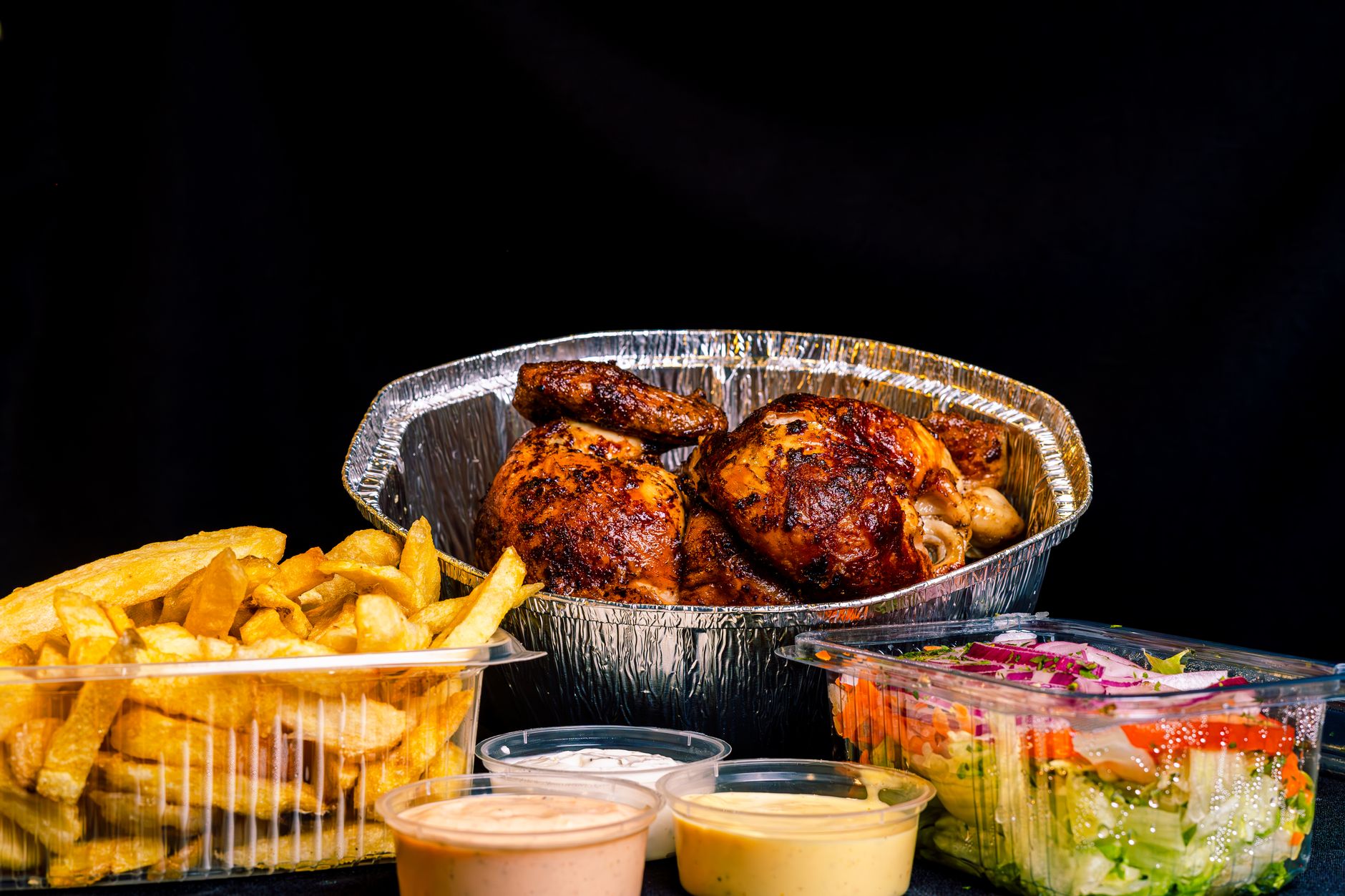
Rotisserie chickens are a popular choice for quick meals, offering convenience and flavor. However, understanding how long they last in the fridge is crucial for food safety and quality purposes. Knowing proper storage techniques will help you enjoy this versatile protein without the worry of spoilage.
This article will delve into how long cooked rotisserie chickens last in the refrigerator, the best storage practices, tips for maximizing freshness, and ways to use leftovers effectively.
How Long Do Rotisserie Chickens Last in the Fridge?
A cooked rotisserie chicken can last in the refrigerator for up to four days if stored properly. Beyond this period, the risk of spoilage increases, and the chicken may not be safe to eat. Always use the “first in, first out” method to ensure you’re consuming older items first.
Understanding Storage Methods for Rotisserie Chickens
Maximizing the shelf life of a rotisserie chicken requires proper storage methods. Here’s a breakdown of how to store your chicken effectively:
1. Refrigerating the Chicken
Place the rotisserie chicken in an airtight container or wrap it tightly with aluminum foil or plastic wrap. This reduces exposure to air, which can cause bacteria growth and drying.
2. Cooling Before Storing
Allow the chicken to cool down at room temperature for roughly 30 minutes before refrigerating. Placing hot food directly in the fridge can raise the temperature inside, potentially leading to bacterial growth.
3. Storing Leftovers
If you’ve already broken down the chicken into pieces, ensure to store them in shallow containers. This allows for quicker cooling and helps maintain its texture.
4. Labeling
Always label your stored chicken with the date it was cooked or purchased. This helps you keep track of how long it has been in the fridge and avoid exceeding the four-day guideline.
Signs of Spoilage
Despite proper storage, it’s essential to check for signs of spoilage before consuming leftover rotisserie chicken. Here are some indicators:
- Unpleasant odor: A sour or rancid smell is a clear indication that the chicken has gone bad.
- Change in color: Fresh rotisserie chicken is typically a golden brown. A dull color or an unusual hue suggests spoilage.
- Texture changes: Slimy or sticky residues on the chicken’s surface point towards bacterial growth.
- Absence of moisture: If the chicken appears dry and has lost its juiciness, it may no longer be enjoyable to eat.
Reheating Rotisserie Chicken Safely
When you’re ready to enjoy your leftover chicken, reheating it correctly is crucial to maintaining its safety and flavor. Here are some methods:
1. Oven Reheating
- Preheat your oven to 350°F (175°C).
- Place the chicken on a baking sheet or in an oven-safe dish.
- Add a splash of chicken broth or water to keep the meat moist.
- Cover the dish with aluminum foil to help retain moisture.
- Heat for 20-25 minutes or until the internal temperature reaches 165°F (74°C).
2. Microwave Reheating
- Slice the chicken into smaller pieces for even heating.
- Place the chicken in a microwave-safe dish and add a little bit of water or broth.
- Cover the dish with a microwave-safe lid or wrap to prevent splatter.
- Heat on medium power for 3-5 minutes, checking frequently to prevent overcooking.
3. Stovetop Reheating
- Use a non-stick skillet over medium heat.
- Add a little oil or broth to the skillet.
- Add the chicken pieces and cover with a lid.
- Heat for about 5-10 minutes, flipping halfway through until thoroughly heated.
Creative Ways to Use Leftover Rotisserie Chicken
Rotisserie chickens are incredibly versatile and can be used in a variety of delicious dishes. Here are some ideas to elevate your meals:
1. Chicken Salad
Shred the chicken and mix it with mayonnaise, diced celery, grapes, and walnuts for a tasty chicken salad. Serve it on a bed of greens, in a sandwich, or as a wrap.
2. Chicken Soup
Combat cold days with a comforting chicken soup. Use the leftover meat, add broth, vegetables, and herbs, and let simmer for a hearty dish.
3. Enchiladas
Create a delicious chicken enchilada by mixing shredded chicken with cheese, black beans, and salsa. Roll them in tortillas, top with sauce, and bake until bubbly.
4. Pasta Dishes
Pull together a quick pasta dish by sauteing vegetables, adding the chicken, and tossing it all with your favorite pasta and sauce for a satisfying meal.
5. Stir-fry
Use shredded chicken in a stir-fry with a mix of colorful vegetables and soy sauce for a quick weeknight dinner.
How to Freeze Rotisserie Chicken
If you don’t think you’ll use your rotisserie chicken within four days, consider freezing it. Here’s how to do it properly:
1. Portioning
Divide the chicken into single-serving portions. This makes reheating easier and prevents you from defrosting more than you need.
2. Proper Containers
Use airtight freezer bags or containers to store the chicken. Remove as much air as possible before sealing to reduce freezer burn.
3. Label and Date
Just like with refrigeration, labeling your containers with the date will help you keep track of how long they’ve been frozen. Rotisserie chicken can maintain quality for up to four months in the freezer.
4. Thawing Safely
To avoid potential foodborne illness, always thaw frozen chicken in the refrigerator, not at room temperature. Use it within one to two days after defrosting.
Common Mistakes to Avoid
When storing or reheating rotisserie chickens, some simple mistakes can compromise quality or safety:
- Not cooling before refrigerating: Avoid letting your chicken cool too long, but don’t refrigerate while it’s hot.
- Leaving it uncovered: Always cover or wrap your chicken to minimize exposure to air.
- Reheating improperly: Ensure the chicken reaches 165°F (74°C) to safely eliminate bacteria.
- Ignoring signs of spoilage: Always check your chicken for smells, color changes, and texture before consuming.
Summary of Best Practices
To ensure that your rotisserie chicken remains safe and flavorful, adhere to these best practices:
- Store the chicken properly in an airtight container.
- Consume within four days of cooking or purchase.
- Check for spoilage signs before consumption.
- Reheat thoroughly to a safe temperature.
- Consider freezing if you won’t use it in time.
By following these guidelines, you can maximize the enjoyment and safety of your rotisserie chicken. Keep it fresh, use leftovers creatively, and enjoy your meals without worry.
For more information on meat storage, you can explore our articles on how long cooked chicken lasts and for how long chicken stays good in the fridge.