
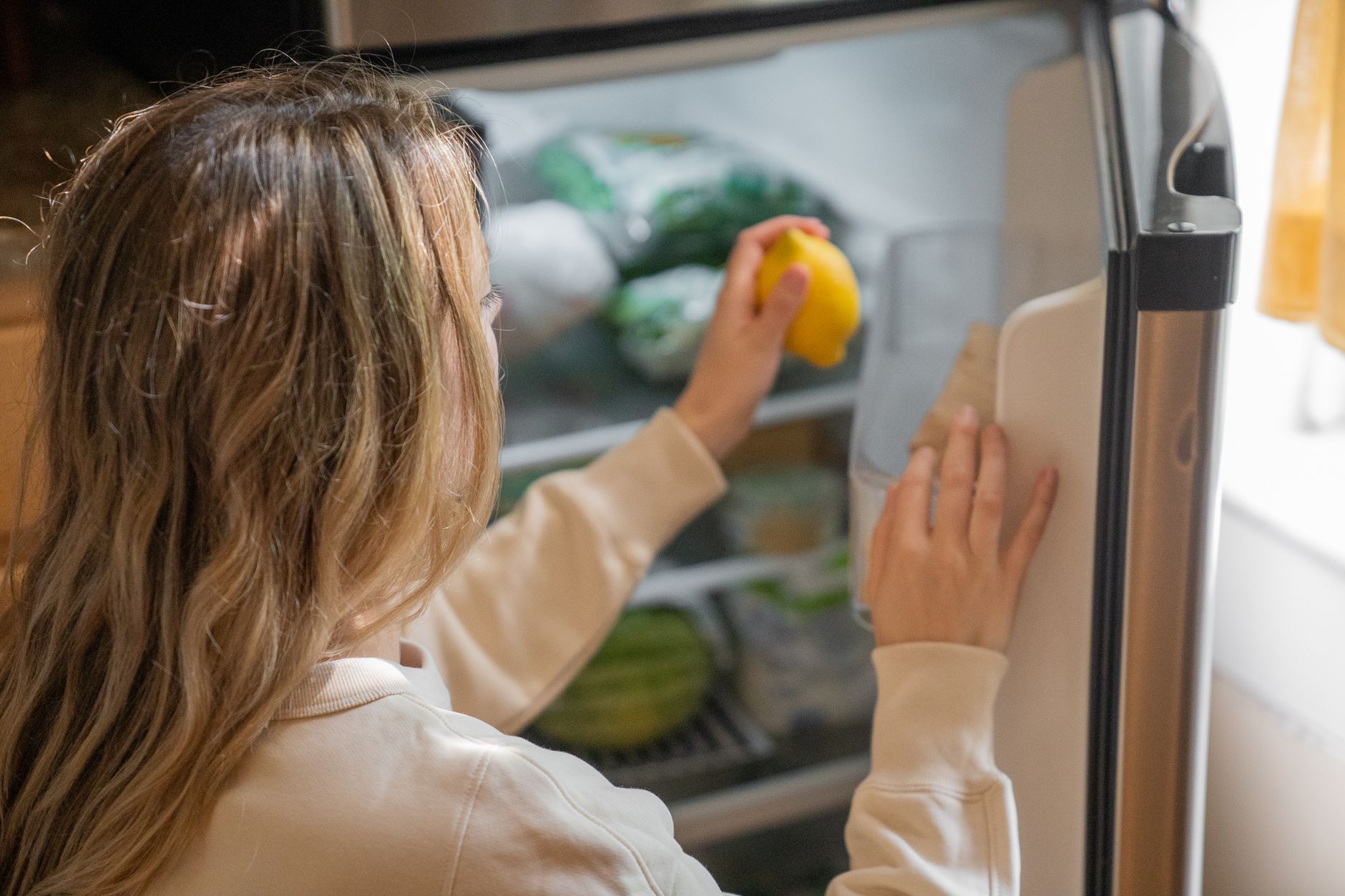
Lemons are a versatile ingredient widely used in cooking, baking, beverages, and preserving. Their bright acidity adds a refreshing flavor to both sweet and savory dishes. However, to make the most of this tangy fruit, it’s essential to understand how long they last when stored correctly in the refrigerator.
This article will explore the shelf life of lemons, how to store them properly, and several tips to maximize their freshness. Understanding these aspects will help you reduce waste and enjoy the vibrant flavors of lemons for as long as possible.
How Long Do Lemons Last In The Fridge?
Lemons typically last about one to two weeks in the refrigerator when stored properly. Whole lemons stored in a sealed plastic bag or container can remain fresh for up to three weeks, while cut lemons may only last around three to four days. Several factors influence the longevity of lemons, including their freshness at the time of purchase and the storage conditions.
Understanding Lemons’ Freshness
Before diving into storage methods, it’s helpful to understand how to select fresh lemons. Choosing lemons that are firm, heavy for their size, and have a vibrant, bright yellow color will give you the best results in terms of flavor and longevity. Avoid lemons that are dull, wrinkled, or have soft spots, as these can indicate age and decreased quality.
Proper Storage Techniques
To extend the life of your lemons, focus on the methods of storage. Here are effective ways to store whole and cut lemons:
Storing Whole Lemons
- Refrigerator Storage: Place whole lemons in a sealed plastic bag or an airtight container. This minimizes moisture loss and prolongs freshness.
- Countertop Storage: If you plan to use them within a week, store lemons at room temperature in a cool, dry place. Keep them away from direct sunlight.
Storing Cut Lemons
- Wrap in Film: For cut lemons, tightly wrap the exposed flesh with plastic wrap to minimize exposure to air, which can cause spoilage.
- Use Airtight Containers: Place cut lemons in small airtight containers to further reduce exposure to air and moisture.
Signs of Spoilage in Lemons
Knowing when your lemons have gone bad is crucial for maintaining flavor and preventing waste. Here are some signs to look out for:
- Dull Appearance: Fresh lemons are bright yellow; a dull or faded color can indicate that they are past their prime.
- Soft Spots: Check for any soft or mushy areas, which can indicate overripeness or that the fruit is starting to decay.
- Mold: If you see any mold on the surface of the lemons, it’s best to discard them.
- Unpleasant Odor: A sour or off-putting smell signals spoilage; fresh lemons should have a pleasant citrus aroma.
Maximizing Freshness Beyond Storage
Besides storing lemons correctly, there are additional methods you can adopt to extend their longevity:
Freezing Lemons
If you have a surplus of lemons or find yourself unable to use them before they spoil, consider freezing them. Freezing lemons allows you to keep them usable for several months. Here’s how to do it:
- Wash and Dry: Rinse your lemons under cool water and pat them dry with a towel.
- Cut as Desired: Depending on how you plan to use them later, cut lemons into wedges or slices. You can also juice them if you’re only interested in the juice.
- Freeze on a Tray: Lay the cut pieces on a baking sheet in a single layer and freeze until solid (about 2 hours).
- Store in Bags: Transfer the frozen lemon pieces into a freezer-safe bag, removing as much air as possible, and seal tightly. Label the bag with the date.
Using Lemon Zest and Juice
Lemon zest and juice can also be frozen separately for future use. This method allows you to enjoy the fresh flavor of lemons even when you don’t have any on hand:
- Zest: Before juicing, use a zester or microplane to remove the outer layer of the lemon peel. Freeze the zest in an airtight container or bag.
- Juice: Squeeze the juice into ice cube trays and freeze until solid. Transfer the cubes to a freezer bag for easy, portioned use later on.
Common Uses for Lemons
Lemons can enhance a wide variety of dishes, drinks, and desserts. Understanding how to utilize lemons can ensure you’re making the most of this ingredient:
Culinary Uses
- Dressings and Marinades: Use lemon juice as a base for salad dressings or marinades to brighten flavors.
- Baking: Incorporate lemon juice and zest into cakes, cookies, and pies for a refreshing kick.
- Drinks: Fresh lemon juice can elevate water, teas, cocktails, and other beverages.
- Preservation: Use lemon juice to preserve foods, as its acidity helps inhibit spoilage.
Beyond Cooking
Lemons aren’t just for cooking; they have various practical applications:
- Household Cleaner: The acidity in lemon juice can help cut through grease and eliminate odors, making it a natural, eco-friendly cleaner.
- Beauty Product: Lemons can be used as an ingredient in homemade scrubs and face masks, thanks to their antibacterial properties.
- Gardening Aid: Lemon juice can help deter pests in the garden when used as a spray.
Frequently Asked Questions
Can you eat a lemon that has started to turn brown inside?
If your lemon has developed brown spots on the inside, it is likely beginning to spoil. While it may still be safe to consume if there are no signs of mold or rot, its flavor may be compromised. It’s better to discard it if you’re unsure.
How can I tell if I should refrigerate my lemons?
Refrigerate lemons if you don’t plan to use them within a week. If they will be used sooner, storing them at room temperature works well. Just ensure they’re kept out of direct sunlight and in a cool area.
How long should I keep lemon juice in the fridge?
Freshly squeezed lemon juice can last in the fridge for about three to four days. If you want to preserve it longer, freezing is an excellent option.
Conclusion
Lemons are a fantastic and versatile ingredient that can last for weeks when stored appropriately. By understanding their optimal storage methods, determining signs of spoilage, and utilizing them effectively, you can ensure that your lemons remain fresh and flavorful for a considerable time. Take advantage of their zest and juice in various culinary applications to make the most out of these delightful citrus fruits.
To extend the life of your lemons, consider using lemon pepper seasoning or trying a refreshing lemon tiramisu recipe for dessert. Both options provide delicious ways to enjoy your lemons and minimize waste in the kitchen.