
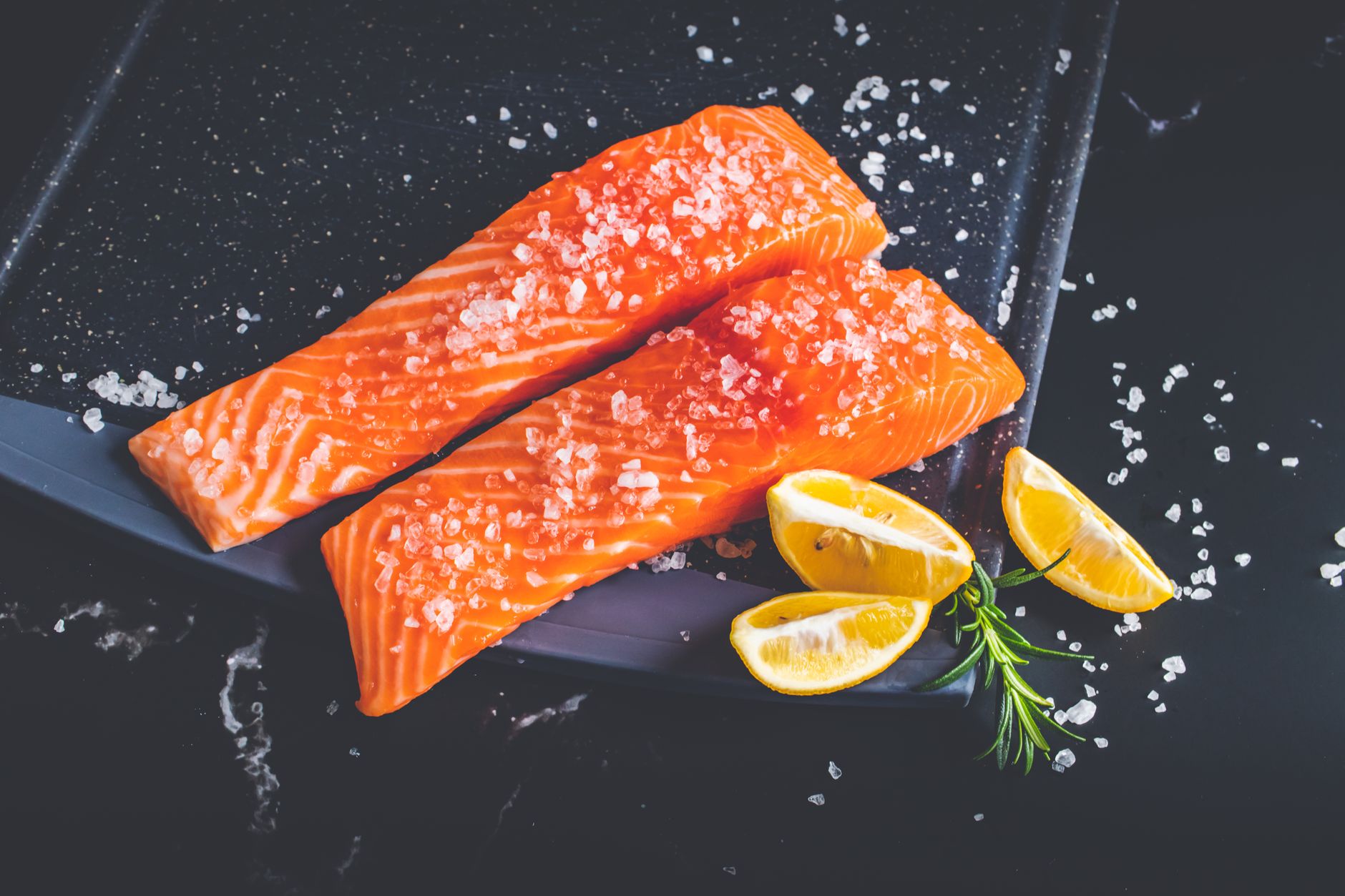
Cooking salmon on the stove is an efficient and delicious way to prepare this versatile fish. Whether you’re looking to create a quick weeknight dinner or impress guests with a flavorful dish, knowing the correct cooking time and temperature is crucial.
In this guide, we’ll explore how long to cook salmon on the stove, different techniques you can use, and useful tips for achieving the best results. You’ll be able to serve perfectly cooked salmon in no time!
How Long Do I Cook Salmon on the Stove?
Cooking salmon on the stove typically takes about 8 to 15 minutes, depending on the thickness of the filet and the cooking method used. The ideal internal temperature for salmon is 125°F to 130°F for medium-rare, and 145°F for medium. Achieving this involves a combination of cooking time, heat level, and the specific cut of salmon you’re using.
Understanding Salmon Cuts and Their Cooking Times
Salmon comes in various cuts, including steaks and fillets, each requiring different cooking times. Here’s a breakdown of popular cuts:
- Salmon Fillet: Typically 1 to 1.5 inches thick; cooks in about 8 to 10 minutes.
- Salmon Steak: Usually thicker (about 1.5 inches); requires approximately 10 to 15 minutes.
- Salmon Portions: Smaller cuts, around 0.5 to 1 inch thick; take about 6 to 8 minutes.
Cooking Methods for Salmon on the Stove
There are several common methods for cooking salmon on the stove, including pan-searing, poaching, and grilling. Each method can yield delicious results if done correctly.
1. Pan-Searing Salmon
Pan-searing is a popular choice for cooking salmon due to its crispy skin and rich flavor. Here’s how to do it:
Ingredients
- 1 salmon fillet or steak (about 6 ounces)
- 1 tablespoon olive oil or butter
- Salt and pepper to taste
- Lemon wedges, for serving (optional)
Equipment Needed
- Heavy skillet (cast iron or non-stick recommended)
- Spatula
- Food thermometer
Steps
- Take the salmon out of the refrigerator and let it sit at room temperature for about 15 minutes to ensure even cooking.
- Heat the skillet over medium-high heat and add olive oil or butter. Allow it to heat until shimmering.
- Season the salmon with salt and pepper. Place the salmon skin-side down in the skillet.
- Cook for 6 to 8 minutes without moving it. You’ll see the color change from pink to opaque as it cooks.
- Using a spatula, carefully flip the salmon and cook for an additional 2 to 4 minutes, depending on thickness, until it reaches your desired doneness.
- Check the internal temperature with a food thermometer; aim for 125°F for medium-rare or 145°F for medium.
- Remove the salmon from the skillet, let it rest for a few minutes, and serve with lemon wedges.
2. Poaching Salmon
Poaching is a gentle cooking method that keeps the salmon moist and tender. Ideal for those concerned with oil or fat content, poached salmon can be flavored with herbs and spices.
Ingredients
- 1 salmon fillet or steak (about 6 ounces)
- 2 cups water or broth
- 1 tablespoon white wine (optional)
- Herbs (like dill or parsley), salt, and pepper to taste
Equipment Needed
- Shallow skillet or sauté pan with a lid
- Food thermometer
Steps
- Combine water or broth, white wine, herbs, salt, and pepper in a shallow skillet. Bring to a gentle simmer over medium heat.
- Place the salmon into the simmering liquid, skin-side down if applicable.
- Cover the skillet and poach the salmon for 10 to 15 minutes, depending on thickness. The salmon should be opaque and easily flake with a fork.
- Check the internal temperature, aiming for 125°F to 130°F.
- Once cooked, carefully remove the salmon from the liquid and let it rest before serving.
3. Grilling Salmon on the Stove
Using a grill pan on the stove allows you to achieve grill marks and a smoky flavor without going outside.
Ingredients
- 1 salmon fillet or steak (about 6 ounces)
- 1 tablespoon olive oil
- Salt and pepper to taste
Equipment Needed
- Grill pan
- Spatula
- Food thermometer
Steps
- Heat your grill pan over medium-high heat and lightly coat with olive oil.
- Season the salmon with salt and pepper.
- Place the salmon skin-side down on the grill pan and cook for about 5 to 7 minutes without moving it.
- Flip the salmon and grill for another 3 to 5 minutes, checking the internal temperature.
- Once the salmon reaches your preferred doneness, remove from heat and rest before serving.
Tips for Perfect Salmon
To ensure success while cooking salmon, here are some handy tips:
- Don’t Overcook: Salmon can dry out if overcooked. Always rely on a thermometer to get it just right.
- Resting Time: Allowing salmon to rest for a few minutes after cooking helps redistribute moisture.
- Skin Side Down: Starting with the skin side down keeps the fillet from sticking and provides a crispy texture.
- Marinade or Season: Marinating salmon before cooking enhances flavors and tenderness.
Common Mistakes to Avoid
Here are some frequent pitfalls when cooking salmon and how to avoid them:
- Cooking Cold Salmon: This can lead to uneven cooking. Always let it sit at room temperature first.
- Ignoring Cooking Time: Watch your cooking time closely; no one wants dry salmon.
- High Heat: Cooking on too high heat can lead to a burnt exterior and raw interior. Medium to medium-high heat is best.
Serving Suggestions for Salmon
Salmon pairs well with a variety of sides and accompaniments. Consider the following:
- Roasted vegetables
- Rice or quinoa
- Fresh salads
- Potato dishes, including mashed or roasted
To elevate your presentation, drizzle with a balsamic glaze, serve with a dollop of herb sauce, or garnish with fresh herbs.
Storage and Reheating Guidance
If you have leftover salmon, proper storage is essential to maintain its quality. Here’s how to do it:
- Store cooked salmon in an airtight container in the refrigerator for up to 3 days.
- Reheat gently in the oven or on the stovetop over low heat to avoid drying out.
For longer storage, cooked salmon can be frozen for up to 3 months.
Variations and Flavor Ideas
Salmon is very versatile, and you can tailor it to your taste preferences:
- Asian-Inspired: Use soy sauce, ginger, and sesame oil as a marinade.
- Herb-Crusted: Mix fresh herbs such as dill, parsley, and thyme with breadcrumbs for a flavorful crust.
- Citrus Zest: Add lemon or orange zest to enhance the freshness of the salmon.
Final Thoughts
Cooking salmon on the stove can be a quick, satisfying process that results in a flavorful dish. Knowing how long to cook it, along with the right techniques and tips, will ensure your success every time. Enjoy experimenting with flavors and serving options as you create your perfect salmon meal.
For more cooking tips and guidance, feel free to explore additional resources such as how long salmon lasts in the fridge or other delicious salmon recipes.