
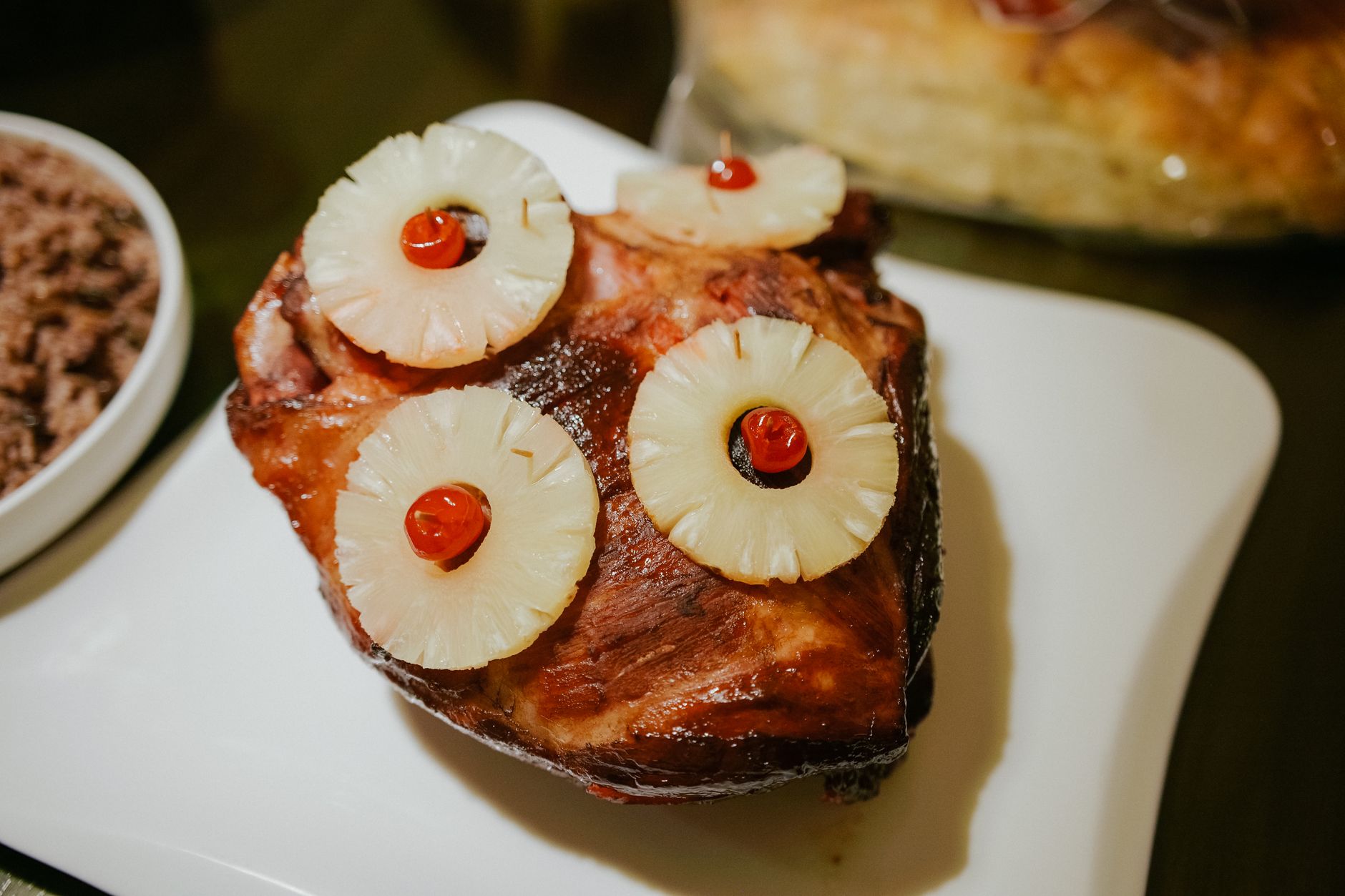
Cooking a ham can be a rewarding culinary experience, yielding delicious results for any occasion. Timing is crucial, as the cooking duration directly impacts flavor, tenderness, and safety. Understanding how long to cook a ham gives you the confidence to serve a meal that everyone will enjoy.
This article will guide you through the various factors affecting ham cooking times, ensuring you know exactly how long to cook your ham for ideal results. Whether you’re preparing a holiday feast or a casual gathering, this comprehensive timing and temperature guide has you covered.
How Long Do I Cook A Ham For?
The cooking time for a ham depends on multiple factors, including the type of ham, its weight, and whether you’re cooking it bone-in or boneless. A general guideline for cooking a fully cooked ham is to bake it at 325°F (160°C) for about 10 to 15 minutes per pound if it’s just being heated. For raw or uncooked hams, the cooking time can extend to 20 to 25 minutes per pound.
Types of Ham
Understanding the type of ham you are working with is essential in determining cooking time. Hams can broadly be categorized as:
- Fully Cooked Ham: This type has already been cooked and only needs reheating.
- Partially Cooked Ham: Requires cooking through to be safe to eat.
- Raw Ham: This must be fully cooked before consumption.
- Bone-In vs. Boneless Ham: Cooking times may vary slightly between the two.
Cooking Times by Ham Type
Fully Cooked Ham
For a fully cooked ham, the goal is simply to reheat it thoroughly. The following are guidelines for cooking times when baking at 325°F (160°C):
- Whole ham (15 to 18 pounds): 12 to 15 minutes per pound.
- Half ham (7 to 10 pounds): 14 to 18 minutes per pound.
- Shank or butt portion (5 to 8 pounds): 15 to 18 minutes per pound.
Partially Cooked Ham
If you have a partially cooked ham, ensure to cook it to an internal temperature of at least 145°F (63°C). The following times are effective for partially cooked hams:
- Whole ham: 18 to 24 minutes per pound.
- Half ham: 24 to 30 minutes per pound.
Raw Ham
For raw hams, cooking should ensure an internal temperature of at least 145°F (63°C). Cooking times include:
- Whole ham: 20 to 25 minutes per pound.
- Half ham: 25 to 30 minutes per pound.
Temperature Guide
To guarantee that your ham is safe to eat, use a food thermometer to check its internal temperature. Here are some key temperature points:
- Fully Cooked Ham: Reheat to at least 140°F (60°C).
- Partially Cooked Ham: Cook to at least 145°F (63°C).
- Raw Ham: Cook to at least 145°F (63°C).
Cooking Techniques
How you cook your ham can also affect the time and outcome. Here are a few popular cooking methods:
Baking
Baking is the most common method for cooking ham. Here’s how to do it:
- Preheat your oven to 325°F (160°C).
- Place the ham in a roasting pan, flat side down.
- If the ham is not pre-glazed, you can add a glaze in the last 30 minutes of cooking.
- Cook according to the times mentioned based on the type and weight of your ham.
- Use a meat thermometer to check the internal temperature.
Slow Cooking
If you prefer less hands-on cooking, using a slow cooker can yield tender results:
- Place the ham in your slow cooker.
- Add about 1 cup of broth, juice, or water to keep moisture.
- Cook on low for 6 to 8 hours or high for 3 to 4 hours until the internal temperature reaches 140°F (60°C).
Grilling
Grilling is another option that imparts a unique flavor to the ham:
- Preheat the grill to medium heat.
- Wrap the ham in foil with a trapped glaze if desired.
- Place on the grill, cover, and cook for approximately 20 to 25 minutes per pound.
- Use a thermometer to check for an internal temperature of 140°F (60°C).
Poaching
Poaching can ensure a moist and flavorful ham:
- Fill a large pot with enough water or broth to completely submerge the ham.
- Add aromatics like herbs, spices, or citrus.
- Bring the liquid to a gentle simmer, then lower the ham into the pot.
- Simmer for approximately 20 to 25 minutes per pound, checking the internal temperature.
Common Mistakes and Troubleshooting
Overcooking
One of the most common mistakes is overcooking the ham, which can render it dry. To avoid this, always rely on a thermometer to check for doneness and avoid exceeding the maximum recommended times.
Underseasoning
Cooking sans a glaze or seasoning can lead to a bland flavor profile. Ensure to add your desired spices, herbs, or marinades to enhance the flavor. A basic glaze includes brown sugar, mustard, and honey mixed together.
Not Allowing Rest Time
After cooking, let the ham rest for at least 15-20 minutes before slicing. This allows the juices to redistribute, resulting in a moist final product.
Serving Suggestions
Ham can be served in numerous ways, making it a versatile dish for any meal. Here are some popular ideas:
- Serve with traditional sides like mashed potatoes, green beans, or baked sweet potatoes.
- Use leftover ham in sandwiches, quiches, or salads.
- Garnish with fresh herbs or fruit slices for a vibrant presentation.
- Pair with wine, such as a light red or a sweet white, to complement the flavors.
Make-Ahead Tips
Ham is an excellent option for meal prep as it can be made in advance and frozen:
- Cook and cool the ham thoroughly.
- Slice or leave whole as desired.
- Wrap tightly in plastic wrap and aluminum foil or a vacuum bag before freezing.
- When ready to use, thaw and reheat carefully.
Storage and Reheating Guidance
If you have leftover ham, following proper storage guidelines is crucial:
- Store leftover cooked ham in an airtight container or tightly wrapped in the refrigerator for up to 3 to 5 days.
- For longer storage, freeze the ham for up to 6 months.
- Reheat in the oven at 325°F (160°C) until warmed to an internal temperature of 140°F (60°C).
Cooking ham can seem intimidating, but by following the above guidelines, you will be well on your way to serving a delicious meal that is sure to impress. Remember to adjust your cooking times based on the type of ham and to allow enough time for resting before carving. With these tips, culinary success is at your fingertips.
For additional inspiration, check out our spiral ham recipe or explore the convenience of a crockpot ham recipe for easy meal solutions. Enjoy delicious and satisfying meals with ham as the star!