
Coffee lovers everywhere know that the aroma and flavor of freshly brewed coffee is hard to beat. However, the freshness of your coffee beans significantly influences the quality of your cup. Understanding how long coffee beans stay fresh can elevate your coffee experience and help you avoid wasting valuable beans.
In this guide, we will explore how long coffee beans remain fresh, the factors that affect their freshness, and practical storage and safety tips. By the end of this article, you’ll be equipped to keep your coffee beans as fresh as possible.
How Long Do Coffee Beans Stay Fresh?
In general, coffee beans stay fresh for about two to four weeks after roasting when stored properly. However, this can vary depending on the type of coffee bean and how it is stored. To maximize freshness, consider the roast date, storage conditions, and the type of beans you are using.
Factors Affecting Coffee Freshness
Understanding the factors that affect the freshness of coffee beans will help you choose the best options and storage methods. Here are the key factors to consider:
- Type of Coffee Bean: Different types of coffee beans (Arabica vs. Robusta) have different shelf lives. Arabica beans tend to have more complex flavors but can lose their freshness faster than Robusta beans.
- Roast Date: Freshly roasted coffee beans tend to retain their flavor much longer than pre-ground or stale beans. Look for a roast date on the package and aim to buy beans roasted within the last two weeks.
- Storage Conditions: Factors like light, heat, oxygen, and humidity can significantly impact coffee bean freshness. Proper storage conditions help preserve flavor and aroma.
Understanding Freshness Over Time
Here’s a rough timeline of the freshness of coffee beans based on their storage conditions:
- 0 to 2 Weeks: Beans are at their peak freshness, with vibrant flavors and aromas. This is the best time to brew your coffee.
- 2 to 4 Weeks: Beans start to lose some of their brightness. While still usable, you may notice a slight decline in flavor.
- 1 to 3 Months: Beans may become stale and have a flat taste. While they are not harmful to consume, the experience will not compare to freshly roasted beans.
- 3 Months and Beyond: Coffee beans that are several months old may develop off-flavors and lose their essential oils. It’s best to discard them.
Storage Tips for Coffee Beans
To maintain the freshness of your coffee beans for as long as possible, proper storage is essential. Here are some effective tips:
1. Use an Airtight Container
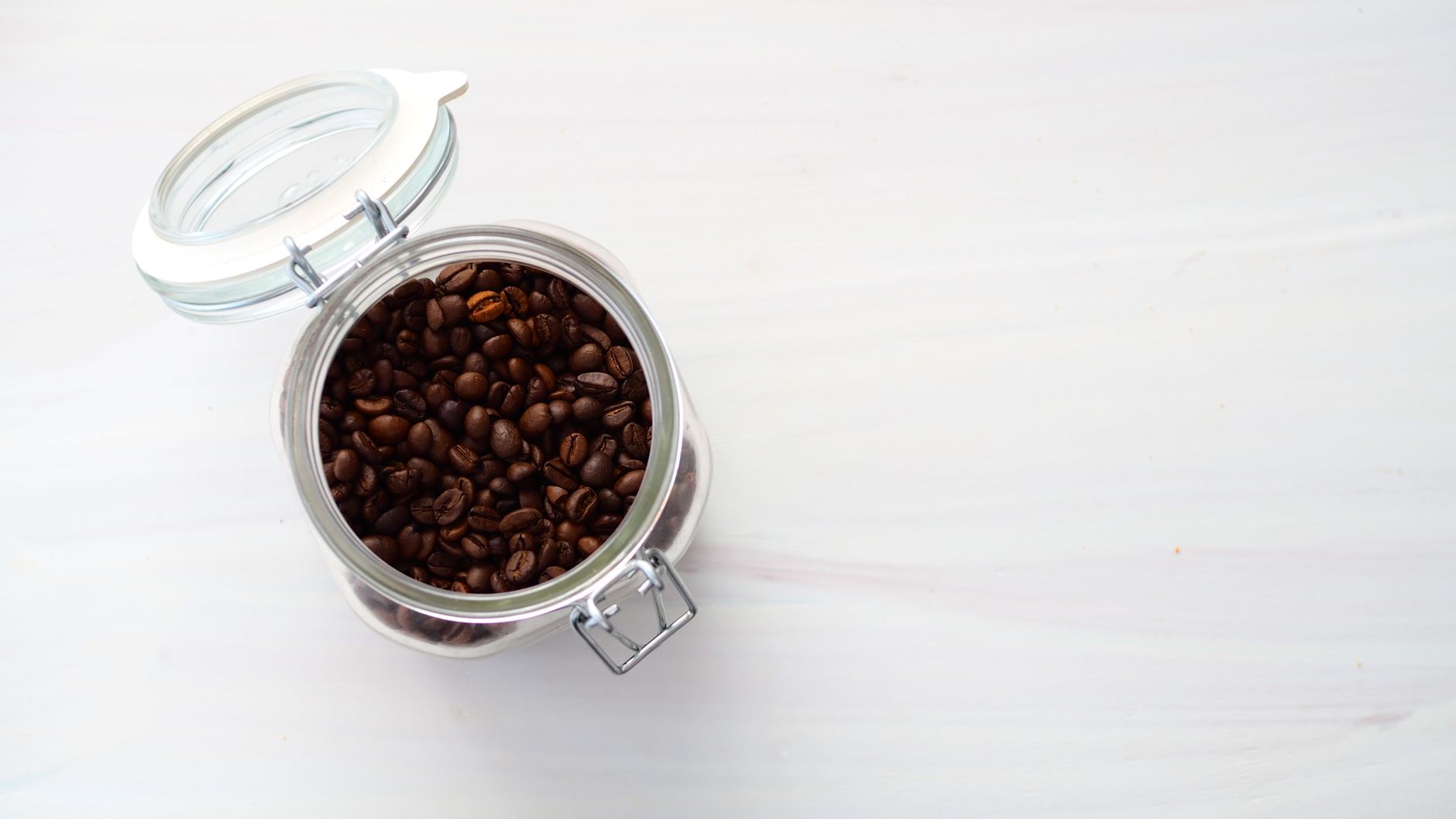
Storing your coffee beans in an airtight container will minimize their exposure to oxygen, which can lead to oxidation and staleness. Opt for glass, ceramic, or non-reactive plastic containers with a tight seal.
2. Keep Away from Light
Light, especially sunlight, can speed up the degradation of coffee beans. Store your container in a cool, dark place, such as a pantry or cupboard, to protect it from light exposure.
3. Control Temperature
Heat can also negatively impact freshness. Aim to keep your coffee at a stable temperature, ideally between 60°F and 75°F (15°C and 24°C). Avoid storing beans near the stove or oven.
4. Avoid Humidity
Moisture can cause coffee beans to clump and lead to mold growth. Always store your beans in a dry environment. If you live in a humid area, consider using a desiccant pack to absorb excess moisture.
5. Buy in Smaller Quantities
Since coffee beans lose freshness over time, consider purchasing smaller amounts that you can consume within a couple of weeks. This ensures you’re always brewing with fresh beans.
Are There Alternative Storage Methods?
In addition to best practices, several alternative storage methods can help extend the life of your coffee beans:
1. Freezing
Freezing coffee beans can be an option for longer storage, but there are important considerations:
- Use airtight, moisture-proof packaging to prevent freezer burn.
- Only freeze portions that you won’t need for several weeks, as thawing and refreezing can affect flavor.
- When you’re ready to use the beans, allow them to come to room temperature before grinding to avoid condensation.
2. Vacuum Sealing
Vacuum sealing can remove oxygen and preserve freshness effectively. This method can work well if you buy beans in bulk. A vacuum sealer can be a worthwhile investment for coffee lovers.
Understanding Roasting and Grinding
How you roast and grind your coffee beans also impacts freshness. Here’s what to keep in mind:
Roasting
Freshness is often tied to the roast date. Once roasted, coffee beans begin to oxidize. For maximum flavor, utilize beans shortly after their roast date. Home roasting can be an option for enthusiasts, ensuring total control over the freshness of your coffee.
Grinding
Ground coffee has a much shorter shelf life than whole beans due to the increased surface area exposed to air. Grind just before brewing to achieve the best flavor, as ground coffee typically loses freshness within a few hours.
Common Coffee Beans and Their Freshness
While general guidelines apply, some coffee beans have unique characteristics:
Arabica
Arabica beans are known for their mild and aromatic flavors. However, they are also more susceptible to staleness. These beans are best consumed fresh, typically within two weeks of their roast date.
Robusta
Robusta beans tend to have a stronger, more bitter taste. They are often used in espresso blends due to their crema-producing properties and tend to have a slightly longer shelf life than Arabica beans. Nevertheless, they should still be used within a couple of months for optimal flavor.
Specialty Coffee Beans
Specialty coffee, often single-origin, can be exquisite when fresh. Many brands emphasize the roast date on their packaging. Explore these options to appreciate unique flavor profiles and ensure quality coffee experiences.
Signs of Stale Coffee Beans
Learning how to identify stale coffee can help you avoid brewing subpar coffee. Here are some signs to watch for:
- Faded Aroma: Fresh coffee beans emit a strong, pleasant scent. Stale beans may smell musty or lack aroma altogether.
- Flat Flavor: Stale coffee tends to taste flat or lifeless. If you brew a cup and the flavor is significantly diminished, it’s time to discard the beans.
- Oily Surface: Excessive oil on the surface of the beans may indicate they’ve gone stale, particularly if they were not naturally oily varieties.
Storage and Brewing Tips for Maximum Freshness
Once you’ve secured your coffee beans, consider these additional tips for brewing to maintain freshness:
1. Use Fresh Water
Water quality significantly affects the taste of your coffee. Use filtered water free from impurities to enhance flavor.
2. Brew in Small Batches
Only brew as much coffee as you plan to drink. This helps preserve the freshness and flavor of the remaining beans.
3. Clean Your Equipment
Regularly clean your coffee maker, grinder, and other equipment to prevent oil buildup and stale flavors from affecting your brew.
Common Mistakes to Avoid
Many coffee enthusiasts inadvertently make mistakes that compromise freshness:
- Buying Pre-Ground Coffee: Pre-ground coffee loses freshness more quickly. Investing in a good grinder allows you to brew with fresh grounds.
- Storing in the Fridge: While it may seem tempting, storing coffee beans in the refrigerator can introduce moisture and odors that alter flavor.
- Ignoring Roast Dates: Always check roast dates before purchasing coffee beans. Fresh beans will greatly enhance your enjoyment.
Looking Ahead: Sustainable Practices
As consumers become more eco-conscious, considering sustainable practices when purchasing and storing coffee becomes essential. Here are some suggestions:
- Source Ethically: Seek out coffee brands that prioritize sustainability and ethical sourcing.
- Compost Used Grounds: Coffee grounds can be composted or used in the garden to enrich soil.
- Choose Reusable Containers: Invest in reusable coffee containers instead of single-use packaging to reduce waste.
Conclusion
Knowing how long coffee beans stay fresh and how to store them properly can lead to a vastly improved coffee experience. By following the guidelines outlined, you can enjoy the bold taste and invigorating aromas of freshly brewed coffee to the fullest. Remember to pay attention to roast dates, store correctly, and brew wisely to savor every cup.
For more tips and recipes, consider checking out our coffee syrup recipe or dive into a nutritious protein coffee recipe to enhance your coffee moments.