
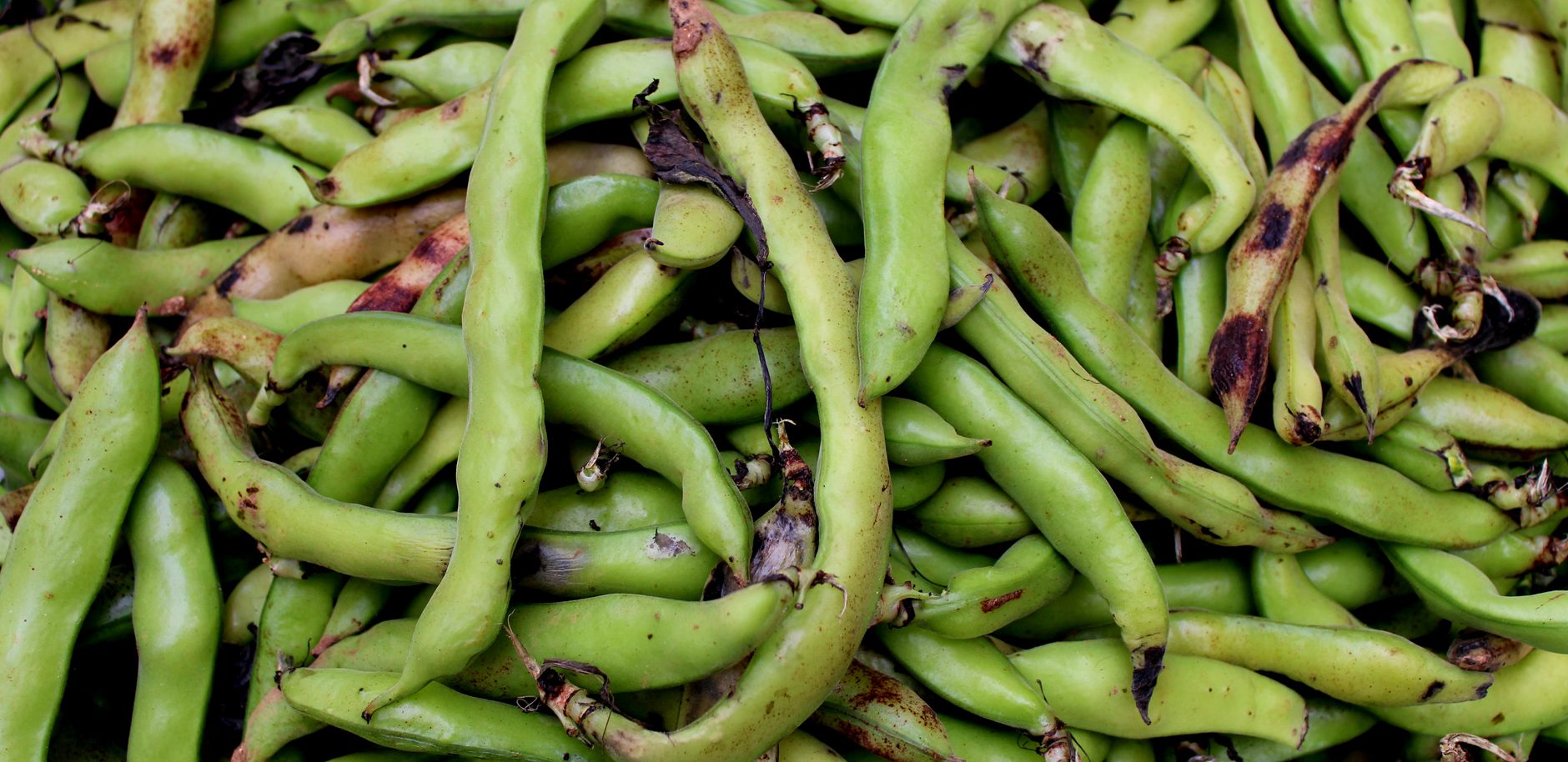
Beans are a staple ingredient in many cuisines, known for their versatility, nutritional benefits, and hearty texture. However, once you’ve cooked or opened a can of beans, understanding how to store them properly and how long they last is crucial to prevent food waste.
This guide will provide comprehensive information on the shelf life of beans in the fridge, how to store them effectively, and the signs to look for to ensure they are safe to eat.
How Long Do Beans Stay Good in the Fridge?
Cooked beans generally stay good in the fridge for 3 to 5 days. If you have opened canned beans, they can last about 3 to 4 days. Always store them in an airtight container to maintain freshness.
Types of Beans and Their Storage
Beans come in various forms, including dry, canned, and cooked. Each type has its own storage needs and shelf life, so it’s essential to understand these differences.
1. Dry Beans
Uncooked, dry beans have a long shelf life when stored in a cool, dry place. They can last for several years if kept in an airtight container. However, their quality may decline over time. Always check for signs of freshness before cooking, such as firmness and lack of moisture.
2. Canned Beans
Canned beans are convenient and can typically last for several years on the shelf. However, once opened, they need to be transferred to a different container and stored in the fridge. After opening, consume them within 3 to 4 days.
3. Cooked Beans
Cooked beans are the most perishable. Once prepared, they should be cooled and placed in an airtight container. As mentioned earlier, they typically remain safe to eat for 3 to 5 days when stored correctly in the fridge.
Storage Tips for Beans
Proper storage plays a critical role in extending the shelf life of beans and ensuring they remain safe to eat.
1. Use Airtight Containers
For cooked or opened canned beans, always store them in airtight containers. Reusable glass containers with seals are an excellent choice, as they prevent moisture and odors from compromising the beans.
2. Cool Abruptly
When storing cooked beans, cool them down rapidly before refrigerating to prevent bacteria growth. Consider spreading them out on a baking sheet for faster cooling.
3. Labeling
Label containers with the date of cooking or opening. This practice helps manage bean storage effectively and prevents accidental consumption of spoiled beans.
4. Avoid Cross-Contamination
Ensure that beans are stored away from raw meats and other potentially contaminating foods. Separate storage reduces the risk of foodborne illnesses.
Signs That Beans Have Gone Bad
It’s essential to know the signs that indicate beans have spoiled. Consuming spoiled beans can cause food poisoning or other health issues.
1. Off Smell
If beans emit a sour or otherwise unusual smell, they should not be consumed. Fresh beans typically have a mild, earthy odor.
2. Mold
Any signs of mold, whether fuzzy spots or dark patches, mean the beans should be discarded immediately.
3. Unusual Texture
Over time, beans can become mushy or slimy, which indicates spoilage. Fresh beans should feel firm to the touch.
4. Off Appearance
Discoloration or an unusually dry appearance can be signs of spoilage. Always inspect beans visually before consumption.
Freezing Beans for Long-Term Storage
If you want to store beans for an extended period, freezing is an effective option. Frozen beans retain quality for about 6 to 12 months.
How to Freeze Cooked Beans
- Cool the beans completely after cooking.
- Divide them into portions appropriate for your meals.
- Place the beans in freezer-safe bags, removing as much air as possible.
- Label the bags with the date before placing them in the freezer.
When you’re ready to use them, thaw the beans in the fridge overnight or cook them directly from frozen. They may require longer cooking times when frozen.
Creative Uses for Leftover Beans
Beans are versatile and can be integrated into numerous dishes. If you find yourself with leftovers, here are some ideas!
1. Bean Soups and Stews
Combine leftover beans with vegetables, spices, and broth to create hearty soups and stews. This is an excellent way to cozy up during cold weather.
2. Bean Salads
Create a fresh bean salad with your remaining beans, fresh vegetables, olive oil, and vinegar. This dish makes for a nutritious and filling side course.
3. Bean Dips and Spreads
Purée leftover beans with garlic, olive oil, and spices to create a delicious dip for chips or vegetables. Hummus made with white beans or black beans is a fantastic option.
4. Tacos and Burritos
Add beans to tacos or burritos for a protein boost. They’re great with fresh salsa, cheese, and any other toppings.
Conclusion
Understanding the longevity and proper storage of beans in the fridge can help you make the most out of this nutritious food. Whether cooked or canned, beans can be incorporated into a variety of meals and can be safely enjoyed if stored correctly.
Next time you’re cooking with beans, remember these tips on preserving their freshness and lifespan. Explore more on how long beans last in the fridge or try your hand at a delicious Southern pinto beans recipe.