
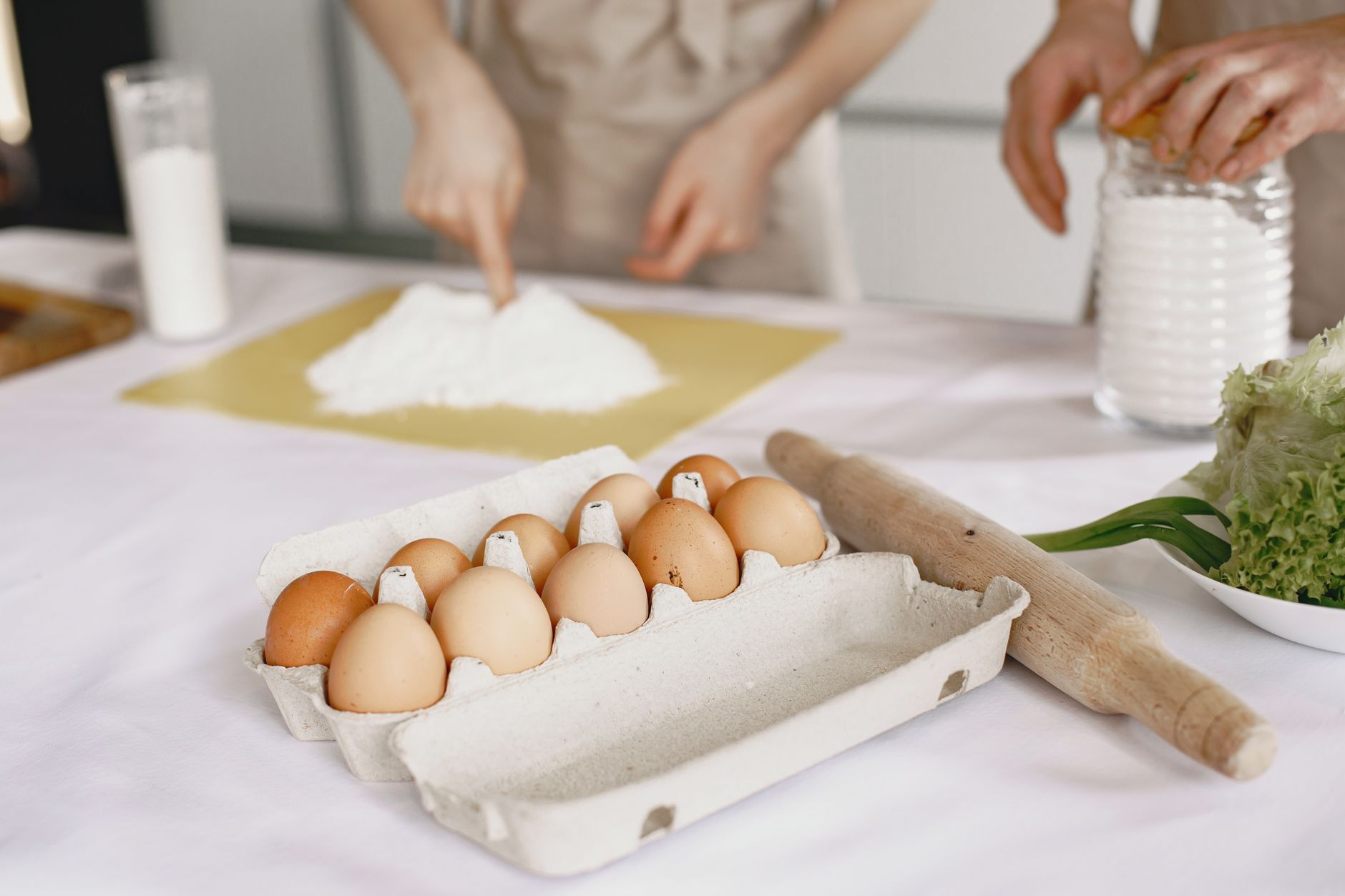
Fresh eggs are a staple in many kitchens, valued for their versatility and nutritional benefits. However, proper storage is crucial to maintain their freshness and safety. Understanding how long you can leave fresh eggs out at room temperature is essential for both culinary success and food safety.
This guide will explore the storage of fresh eggs, detailing how long they can stay out without compromising quality, the differences between commercial and backyard eggs, and best practices for handling and storing eggs. Let’s ensure your eggs are always at their best when it’s time to cook!
How Long Can You Leave Fresh Eggs Out?
Fresh eggs can typically be left out at room temperature for about two hours. However, if your kitchen is particularly warm, it’s best to reduce that time to one hour to ensure freshness and safety. The storage method can also vary based on whether the eggs are commercially produced or from backyard hens.
The Differences Between Store-Bought and Fresh Eggs
Store-bought eggs are often washed and sanitized, which removes their natural protective coating, known as the bloom. This process makes them more susceptible to contamination if left unrefrigerated. In contrast, farm-fresh eggs may retain their protective coating, which helps to keep bacteria out and moisture in.
Store-Bought Eggs
In many countries, including the United States, it’s common to find eggs refrigerated in stores. This practice promotes safety, as eggs are washed before packing. In general, store-bought eggs should be stored in the refrigerator and are best used within three to five weeks of purchase.
Backyard or Farm Fresh Eggs
Backyard eggs can be safely left out for a longer period due to the protective coating. Many experts recommend that unwashed fresh eggs can be stored at room temperature for about two to three weeks, depending on the ambient temperature. If you decide to wash them, it’s advisable to refrigerate them immediately after to maintain quality.
Signs of Freshness in Eggs
Knowing how to assess the freshness of your eggs is crucial, especially if they have been stored at room temperature for some time.
Float Test
A common method for checking egg freshness is the float test. Fill a bowl with water and gently place the egg in it:
- If the egg sinks and lays flat on the bottom, it is very fresh.
- If it stands upright on the bottom, it is still safe to eat, but not as fresh.
- If it floats to the top, it is best to discard it.
Crack Test
Another method is to crack the egg open. Fresh eggs will have a thick, firm white and a rounded yolk that stands high. If the whites are watery or the yolk is flat, the egg is older and may not be safe to consume.
Best Practices for Storing Fresh Eggs
Whether you have store-bought or backyard eggs, following best practices can help maintain the quality and safety of your eggs.
Refrigeration
For maximum freshness, store eggs in the refrigerator in their original carton. This helps to protect against moisture loss and odor absorption from other foods. The refrigerator door is not the best place, as it experiences frequent temperature changes. Instead, opt for a central shelf where temperatures remain consistent.
Room Temperature Storage
If you’re using eggs in recipes that require room temperature eggs, take them out of the fridge about 30 minutes prior to use. Just remember to return any unused eggs to the refrigerator within two hours to keep them fresh.
Proper Handling
Always wash your hands before and after handling eggs to prevent cross-contamination. Make sure to also sanitize any surfaces or tools that come into contact with raw eggs.
Using Eggs for Cooking and Baking
When cooking or baking with eggs, the freshness can affect the outcome of your dishes significantly. Here are some guidelines for using eggs based on their freshness:
Cooking
Fresh eggs are ideal for poaching and frying as they hold their shape better. Old eggs, while still safe to eat, may spread out more when fried or poached.
Baking
Recipes requiring room-temperature eggs often yield better results, especially in cakes and soufflés. If you forget to take your eggs out ahead of time, you can place them in warm water for about five to ten minutes to bring them to room temperature quickly.
Common Mistakes to Avoid
When it comes to egg handling and storage, there are common mistakes that can lead to compromised quality and safety.
Washing Eggs
Washing eggs before storing them can remove their protective coating; if you need to wash them, do so just before use, and always refrigerate the washed eggs immediately.
Using Expired Eggs
Cooking with expired eggs can be risky. Always check expiration dates and perform freshness checks if you’re unsure.
Frequently Asked Questions
Can I leave eggs out overnight?
Leaving eggs out overnight is generally not recommended, especially for store-bought eggs, as they should be refrigerated consistently. If you have farm-fresh eggs that have not been washed, they can be left out for a limited time, but it’s best to err on the side of caution and refrigerate them.
What should I do if I left my eggs out all day?
If you’ve accidentally left eggs out all day, it’s essential to check for signs of spoilage or freshness. If they feel warm to the touch or show any signs of bulging, it’s safer to discard them.
Can I refrigerate eggs after leaving them out?
Yes, if you have left your eggs out for a short period, you can refrigerate them. Just ensure they are still fresh; utilize the float test or crack test to check their quality.
Storage Timeline for Fresh Eggs
Here’s a brief timeline that outlines optimal storage for fresh eggs:
| Storage Type | Room Temperature | Refrigeration | Duration |
|---|---|---|---|
| Store-Bought Eggs | Up to 2 hours | 3 to 5 weeks | |
| Farm Fresh Eggs (Unwashed) | Up to 3 weeks | 3 to 6 months | After washing, refrigerate |
| Farm Fresh Eggs (Washed) | Not recommended | 3 to 6 months |
Freezing Eggs
If you find yourself with an abundance of eggs and want to extend their shelf life, freezing is an excellent option. Here’s how to do it properly:
Steps to Freeze Eggs
- Crack the eggs into a bowl and whisk until combined.
- Pour the mixture into ice cube trays or freezer-safe containers.
- Label the containers with the date and number of eggs.
- Freeze the eggs. Once frozen, transfer the cubes into a resealable plastic bag for easier storage.
- Frozen eggs can be used in cooking or baking for up to a year.
Conclusion
Understanding how long you can leave fresh eggs out and the best storage practices ensures that you enjoy them safely and deliciously. Remember to store store-bought eggs in the refrigerator, and you can leave farm-fresh eggs at room temperature, minding the time limits associated with each.
For more information on egg storage, explore our guides: How Long Can You Keep Eggs in the Refrigerator? and How Long Do Eggs Last After the Sell-By Date?. Enjoy your cooking!