
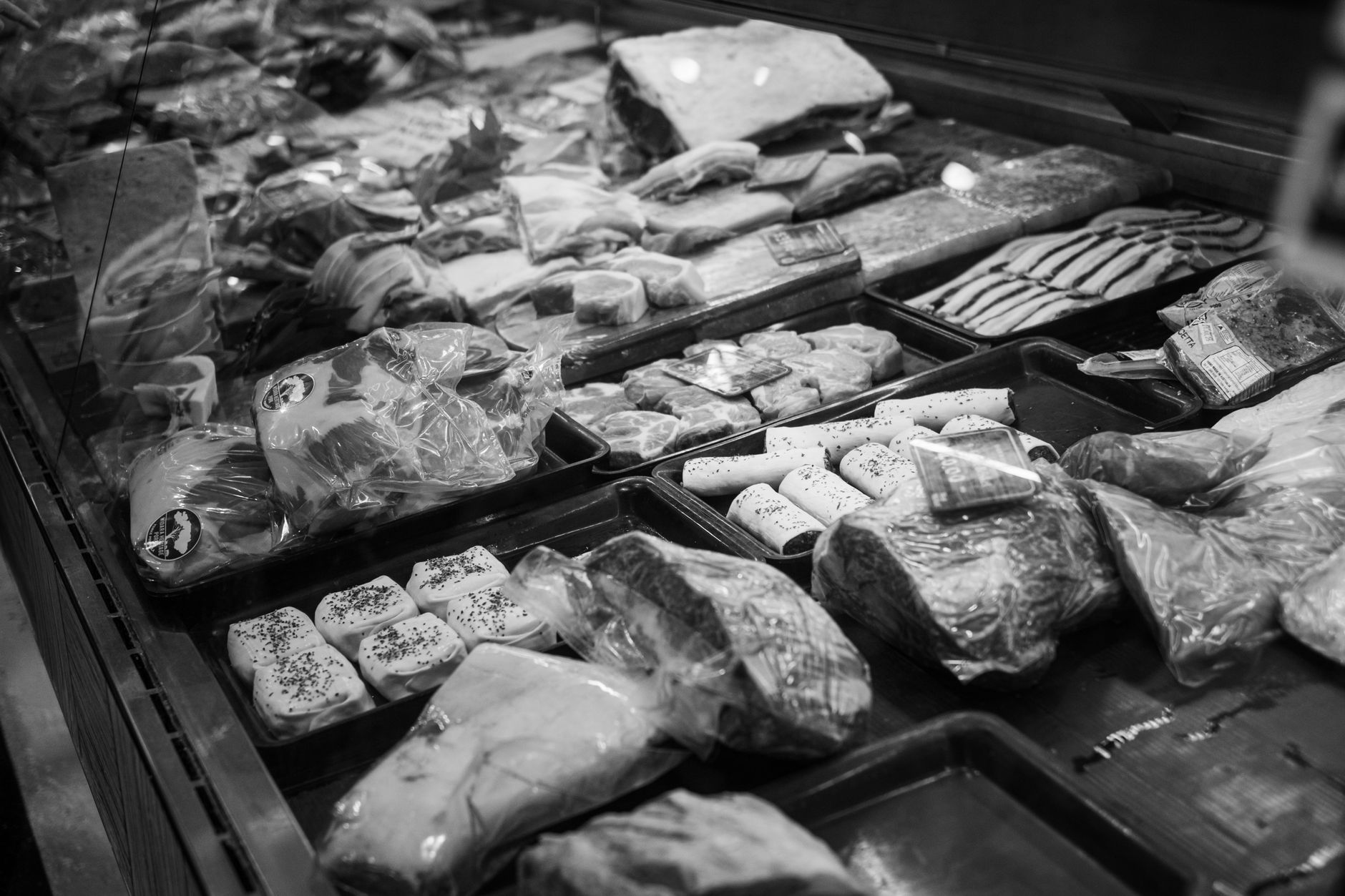
Freezing meat is a common practice for extending its shelf life and maintaining freshness. However, not all meats can be stored in the freezer indefinitely. Knowing how long different types of meat can be safely kept in the freezer is essential to prevent spoilage and ensure food safety.
This guide will detail various types of meat, their recommended freezer storage durations, and tips on how to properly freeze and thaw them. Understanding these factors will help you maximize your resources and minimize food waste.
How Long Can You Keep Meat In The Freezer?
The length of time meat can be safely stored in the freezer varies depending on the type of meat. Generally, freezing meat preserves its quality for several months, but storage times differ. Here is an overview:
Beef
Ground beef and whole cuts of beef can be frozen for different lengths of time:
- Ground Beef: 4 months
- Steaks: 6 to 12 months
- Roasts: 4 to 12 months
- Beef Ribs: 4 to 6 months
For optimal freshness, wrap ground beef in freezer wrap or place it in a vacuum-sealed bag to prevent freezer burn. Steaks and roasts should be wrapped tightly, ensuring no air enters.
Pork
Pork has similar storage recommendations to beef:
- Pork Chops: 4 to 6 months
- Pork Roasts: 4 to 6 months
- Ground Pork: 3 to 4 months
- Pork Ribs: 4 to 6 months
As with beef, use vacuum sealing or heavy-duty freezer bags for pork to preserve quality and avoid freezer burn.
Poultry
Poultry can be stored for varying durations based on the form:
- Whole Chicken: 1 year
- Chicken Parts (breasts, thighs, drumsticks): 9 months
- Ground Chicken: 3 to 4 months
- Turkey: 1 year
Freezing cooked chicken or turkey is also an option. For cooked poultry, it is best to consume it within 4 months for optimal quality. For more information on freezing cooked chicken, visit this guide.
Fish and Seafood
Fish and seafood have a shorter shelf life in the freezer:
- Fatty Fish (salmon, mackerel): 2 to 3 months
- Lean Fish (cod, sole): 6 months
- Shrimp: 6 to 12 months
- Shellfish: 3 to 12 months, depending on the type
Ensure fish and seafood are tightly sealed to avoid freezer burn, and consider using a vacuum sealer for the best results.
Processed Meats
Processed meats such as bacon and sausages also have varying storage durations:
- Bacon: 1 month
- Sausages: 1 to 2 months
For processed meats, it’s best to keep them in their original packaging until use, or wrap them tightly if you plan to freeze them for longer periods.
Tips for Freezing Meat Properly
To ensure that your meat maintains its quality while frozen, follow these tips:
- Wrap Tightly: Use plastic wrap, aluminum foil, or freezer bags, ensuring all air is removed before sealing.
- Label and Date: Clearly label all items with the type of meat and the date it was frozen.
- Freeze in Portions: Divide larger cuts of meat into smaller portions to make thawing easier and reduce waste.
- Do Not Refreeze Meat: Once meat has been thawed, avoid refreezing to maintain quality.
How to Thaw Frozen Meat Safely
Thawing meat correctly is just as important as freezing it. Here are the best methods:
- In the Refrigerator: This method is the safest but takes the longest, requiring several hours to overnight.
- In Cold Water: Submerge the meat in cold water, changing the water every 30 minutes. This method takes a few hours.
- In the Microwave: This is the quickest way but can partially cook the meat. Cook it immediately after thawing.
Never thaw meat at room temperature, as this can allow harmful bacteria to grow.
Signs of Spoilage in Frozen Meat
Even when frozen, meat can spoil. Check for these signs:
- Discoloration: If the meat appears dull or gray it could indicate deterioration.
- Freezer Burn: White, dry spots indicate freezer burn, affecting texture and flavor but generally not safety.
- Off Odor: When thawing, if there are unpleasant smells, discard the meat.
Common Mistakes to Avoid When Freezing Meat
To ensure the best quality meat when thawed, avoid these common pitfalls:
- Overpacking the Freezer: Make sure there’s enough space for air circulation. An overcrowded freezer can lead to uneven freezing.
- Not Sealing Properly: Any exposure to air can cause freezer burn. Ensure goods are sealed tightly.
- Neglecting to Rotate Stock: Use a first-in, first-out (FIFO) system to keep track of older items to avoid having them sit too long.
Conclusion
Knowing how long you can safely keep meat in the freezer is essential for preventing waste and ensuring your meals are safe and high quality. Following the proper freezing and thawing techniques will help you maximize your resources in the kitchen.
For further guidance on fresh meat storage, explore this article on ground beef storage in the fridge. You can continue to build your cooking knowledge with more recipes and storage tips.