
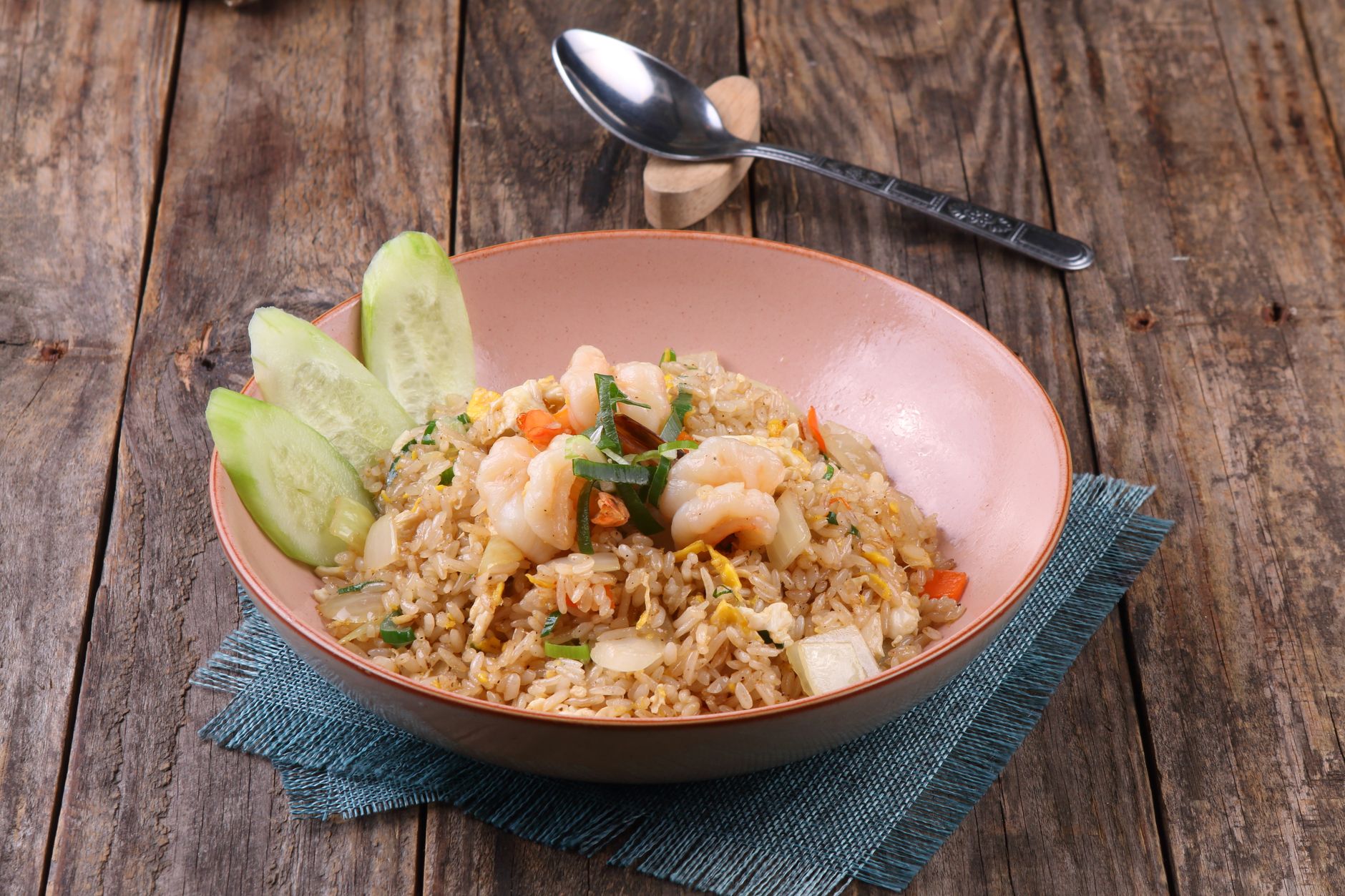
Fried rice is a beloved dish, treasured for its versatility and ability to transform leftover rice into a flavorful meal. With its mix of vegetables, proteins, and aromatics, fried rice can be both a quick dinner solution and a lunch leftover. But once it’s been cooked, how long can you keep fried rice in the fridge?
Knowing the proper storage times for fried rice is essential for food safety and maintaining its quality. This guide will explore effective storage methods, signs of spoilage, and tips for reheating fried rice to enjoy it at its best.
How Long Can You Keep Fried Rice in the Fridge?
Fried rice can typically be stored in the refrigerator for about 3 to 5 days. It is important to ensure that the rice is stored in an airtight container to minimize exposure to air and humidity, which can lead to spoilage. Proper sealing helps keep the flavors intact while preventing contamination from other foods in the fridge.
Understanding the Risks of Storing Fried Rice
Fried rice often includes a combination of cooked rice, vegetables, and protein, making it susceptible to bacterial growth if not handled properly. The primary concern with storing fried rice is the potential for Bacillus cereus bacteria, which can survive cooking and multiply if the rice is left at room temperature for too long. Proper storage and handling can mitigate these risks significantly.
The Importance of Rapid Cooling
Once fried rice has cooled after cooking, it should be placed in the refrigerator within two hours. Leaving fried rice out at room temperature for too long can lead to unsafe bacterial growth. A simple way to cool fried rice quickly is to spread it out on a baking sheet, allowing the heat to dissipate faster before transferring it to an airtight container.
Signs Your Fried Rice Has Spoiled
Knowing when fried rice has gone bad is crucial for food safety. Here are some signs that indicate spoilage:
- Off Smell: If the fried rice emits a sour or foul odor, it’s best to discard it.
- Visible Mold: Any signs of mold on the rice or vegetables signal that the dish should not be consumed.
- Texture Changes: If the rice has become excessively slimy or mushy, it is no longer safe to eat.
- Unpleasant Taste: If it tastes off or has a strange flavor, it’s advisable to throw it away.
Best Practices for Storing Fried Rice
To maximize the shelf life of your fried rice, follow these storage tips:
Cool It Quickly
As mentioned, cooling fried rice quickly is essential. Try to transfer it to a shallow container, which allows it to cool faster. Refrigeration is key for slowing down bacterial growth.
Use Airtight Containers
Store fried rice in an airtight container to prevent moisture loss and exposure to air. Using glass or plastic containers with secure lids is ideal for maintaining freshness.
Label and Date
Label your container with the date it was stored. This practice helps track how long the fried rice has been in the fridge and ensures that you consume it within the safe time frame.
Portion Control
If you are storing larger batches of fried rice, consider portioning it into smaller servings. This way, you can easily reheat only what you need without recurring exposure to air and moisture on the remaining rice.
Reheating Fried Rice Safely
Proper reheating is crucial for both food safety and flavor. Follow these guidelines to reheat your fried rice:
Use the Stove or Microwave
The stove and microwave are the most common methods for reheating fried rice:
- Stove: Heat a small amount of oil in a pan over medium heat. Add the fried rice and stir occasionally until it is heated through and reaches at least 165°F (74°C).
- Microwave: Place the fried rice in a microwave-safe bowl. To prevent it from drying out, add a splash of oil or water and cover the bowl with a microwave-safe lid or plastic wrap. Heat in intervals, stirring occasionally, until hot.
Check the Temperature
To ensure that reheated fried rice is safe to eat, always check that it has reached an internal temperature of 165°F (74°C). This temperature helps kill any bacteria that may have developed during storage.
Freezing Fried Rice for Long-Term Storage
If you don’t plan to consume your fried rice within the week, freezing is an excellent option. Fried rice can be frozen for up to 3 months without losing much quality.
How to Freeze Fried Rice
- Allow the fried rice to cool completely.
- Portion it into airtight freezer bags or containers. Remove as much air as possible to prevent freezer burn.
- Label the container or bag with the date before placing it in the freezer.
Thawing and Reheating Frozen Fried Rice
When ready to eat your frozen fried rice, thaw it in the refrigerator overnight or use the microwave’s defrost function.
- After thawing, reheat it in the same way you would with refrigerated fried rice.
- Ensure it also reaches an internal temperature of 165°F (74°C) during reheating.
Common Mistakes to Avoid When Storing Fried Rice
When it comes to storing and reheating fried rice, several common mistakes can compromise both safety and quality:
Not Cooling Before Refrigeration
Putting warm fried rice directly into the fridge can raise the overall temperature inside, encouraging bacterial growth. Always cool it first.
Using Non-Airtight Containers
Containers that are not airtight can lead to a loss of moisture and flavors. Make sure to invest in quality storage containers.
Keeping it Too Long
While fried rice can last for several days, it is best consumed within 3 to 5 days. Avoid keeping it longer, even if it looks and smells fine.
Overloading the Microwave
When reheating, avoid overcrowding the microwave with too much rice. This can result in uneven heating and may leave cold spots where bacteria can thrive.
Helpful Tips for Making Fried Rice
Properly storing fried rice starts with how you prepare it. Here are some tips for making fried rice that can be stored effectively:
Use Day-Old Rice
For the best texture, use day-old rice that has been refrigerated. Freshly cooked rice tends to be moist and sticky, which can make fried rice mushy. Letting the rice cool allows the grains to firm up.
Balance Your Ingredients
Include a mix of vegetables and proteins in your fried rice. This not only enhances the flavor but also helps maintain its integrity when stored. Avoid too many wet ingredient additions, which can lead to spoilage.
Season Well but Keep it Simple
Fried rice can be enhanced with various seasonings and sauces. While it’s important to flavor it well, using too many sauces can lead to a soggy consistency. Stick to soy sauce or a light sprinkle of salt, if necessary.
Creative Ideas for Using Leftover Fried Rice
Beyond simply reheating your leftover fried rice, there are various creative uses:
- Fried Rice Patties: Mix fried rice with a beaten egg and breadcrumbs, shape into patties, and pan-fry until crispy.
- Soup Base: Add leftover fried rice to soups for a heartier meal.
- Vegetable Fried Rice Casserole: Combine fried rice with a variety of vegetables and cheese, bake until heated through.
Conclusion
Storing fried rice properly ensures that you can enjoy it safely for several days after cooking. By following recommended storage and reheating guidelines, you can minimize waste while savoring the delicious flavors of this classic dish. Instead of tossing out leftovers, remember to respect storage timeframes and signs of spoilage.
For additional helpful tips on food storage and preparation, check out our guides on how long is cooked ground beef good in the fridge and how long does cooked chicken last.