
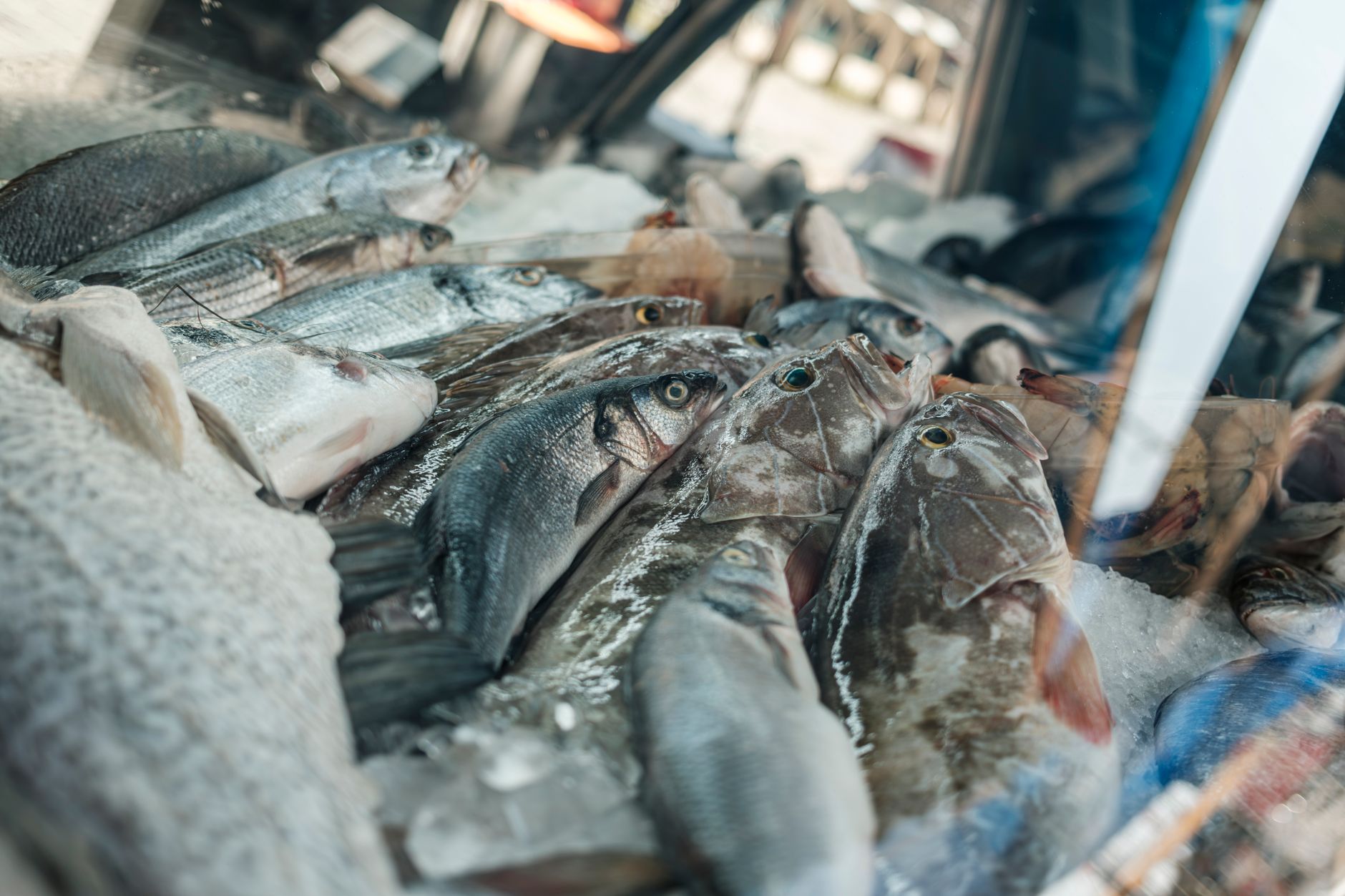
Raw fish is a delicate ingredient that requires careful handling and proper storage to maintain its freshness and safety. Understanding how long raw fish can stay in the fridge is crucial for food safety and quality. In this guide, we’ll explore the storage lifespan of raw fish, the best practices for storage, and tips for handling it safely.
Fish varieties vary not only in taste but also in how long they can be stored. Factors such as the type of fish, whether it has been cleaned and filleted, and how it is packaged all play a role in how long it can safely stay in the fridge. Whether you’re a sushi enthusiast or a seafood lover, knowing these details can help you enjoy your fish at its best.
How Long Can Raw Fish Stay in the Fridge?
Raw fish can generally be stored in the fridge for 1 to 2 days before it begins to degrade in quality or become unsafe to eat. This timeframe may vary depending on the type of fish and storage conditions.
Factors Affecting Storage Time
Several factors influence how long raw fish can remain in the fridge:
- Type of Fish: Fatty fish like salmon and mackerel tend to spoil faster than lean fish such as cod or sole.
- Freshness at Purchase: The fresher the fish when bought, the longer it can be kept. Always purchase from reputable sources.
- Storage Temperature: Fish should always be stored at or below 32°F (0°C) to prolong its shelf life.
- Packaging: Properly wrapped or vacuum-sealed fish can last longer than fish stored in its original packaging or loosely wrapped.
- Cleaning and Filleting: Whole fish can sometimes last slightly longer than fillets, as the skin provides some protection against spoilage.
Types of Fish and Their Storage Duration
Let’s break down the different types of fish and how long they can typically be kept in the fridge:
Fatty Fish
Fatty fish such as salmon, mackerel, sardines, and trout are known for their rich flavor and higher oil content. They should ideally be consumed within 1 to 2 days if stored in the fridge. Fatty fish are more prone to spoilage due to the fats that can oxidize and lead to off-flavors.
Lean Fish
Lean fish varieties like cod, haddock, and sole generally have a slightly longer shelf life. They can often last for up to 2 days in the fridge if stored correctly. The lower fat content helps delay spoilage.
Sushi-Grade Fish
Sushi-grade fish, typically used for raw preparations, should be as fresh as possible. If you purchase sushi-grade fish, it is best to consume it within 1 day for optimal safety and freshness.
Best Practices for Storing Raw Fish
Proper storage is crucial for prolonging the freshness and safety of raw fish. Here are some practical tips:
Temperature Control
Always store raw fish in the coldest part of your refrigerator, ideally at 32°F (0°C). Use a refrigerator thermometer to ensure your appliance is maintaining the correct temperature.
Packaging
Keep fish in its original packaging until you’re ready to use it. If you have opened the packaging, transfer the fish to an airtight container or tightly wrap it in plastic wrap, followed by aluminum foil. Vacuum sealing is highly effective for preserving freshness and extending storage time.
Placement in the Fridge
Store raw fish on a plate or in a shallow container on the bottom shelf of the fridge to avoid cross-contamination with other foods. Consider placing ice packs underneath the fish to maintain a lower temperature.
Signs of Spoilage
Identifying fresh fish is essential before cooking or consuming it. Here are signs that raw fish may have spoiled:
- Odor: Fresh fish should have a mild scent. A strong, fishy, sour, or ammonia-like odor is a clear indicator of spoilage.
- Color: Fresh fish should appear vibrant and moist. Dull or discoloration can signal spoilage.
- Texture: Fresh fish should feel firm to the touch. A slimy or mushy texture is a sign that it has deteriorated.
- Eyes (for whole fish): Clear, bright eyes are a good indicator of freshness. Cloudy or sunken eyes suggest the fish is no longer fresh.
Handling Raw Fish Safely
Ensuring the safety of raw fish involves proper handling and hygiene practices. Here are some essential tips:
Thawing Frozen Fish
If you are using frozen fish, thaw it safely in the refrigerator, under cold running water, or in the microwave if you plan to cook it immediately. Do not thaw fish at room temperature, as this can promote bacterial growth.
Cutting and Preparation
Always use separate cutting boards and utensils for raw fish to prevent cross-contamination with other foods, especially raw meats or poultry. Wash hands, surfaces, and tools thoroughly after handling fish.
Cooking Fish
When cooking fish, ensure that it reaches a safe internal temperature. For fish fillets, the FDA recommends an internal temperature of 145°F (63°C). Use a food thermometer to confirm.
What to Do with Leftover Fish
If you have leftover cooked fish, it can typically be stored in the fridge for up to 3 days. Store it in an airtight container to prevent drying out. For cooked fish, reheating should ensure that the fish reaches a safe temperature of 165°F (74°C).
Freezing Raw Fish for Extended Storage
If you’re not planning to use raw fish within a couple of days, consider freezing it. Freezing can extend the shelf life of raw fish for several months, often up to 6 months for most types. Follow these steps for proper freezing:
- Clean and Gut: If you have purchased whole fish, clean and gut it before freezing.
- Wrap Properly: Wrap fish tightly in plastic wrap or aluminum foil. Place it in a freezer-safe container or bag to prevent freezer burn.
- Label and Date: Always label containers with the type of fish and the date it was frozen for easy identification later.
Defrosting Frozen Fish
When you’re ready to use frozen fish, defrost it safely following these methods:
- Refrigerator Thawing: The best option, taking about 12-24 hours depending on the size of the fish.
- Cold Water Thawing: Seal the fish in a plastic bag and submerge in cold water. Change the water every 30 minutes until thawed.
- Microwave Thawing: Only if you plan to cook the fish immediately afterward, as this can partially cook it and affect texture.
Common Mistakes in Fish Storage
Here are a few common pitfalls to avoid when storing raw fish:
- Neglecting Temperature: Storing fish in areas of the fridge that aren’t cool enough can significantly reduce its shelf life.
- Incorrect Packaging: Failing to properly seal fish can lead to oxidation and freezer burn over time.
- Ignoring Dates: Always pay attention to purchase dates and use or freeze fish before its expiration for the best quality.
Conclusion
Understanding how long raw fish can stay in the fridge is vital for enjoying fresh and safe seafood. Proper storage practices, recognizing signs of spoilage, and handling techniques are essential components for managing raw fish effectively. From ensuring optimal temperature control to freezing for later use, following these guidelines will help you make the most of your fish purchases.
For further kitchen tips, check out these related guides on how to store eggs and how long to bake a sweet potato.