
Condensed milk is a sweet and creamy ingredient that adds richness to a variety of recipes, from desserts to beverages. However, once you’ve opened a can of condensed milk, you might wonder how to store it properly to maximize its shelf life. Knowing how long condensed milk lasts in the fridge is essential for minimizing food waste and enjoying its delightful flavor when you need it.
This article will explore the shelf life of condensed milk once opened, discuss proper storage methods, and offer tips for using it in various culinary applications. Understanding these factors will help you enjoy this ingredient without compromising its quality.
How Long Can Condensed Milk Last in the Fridge?
Once opened, condensed milk typically lasts about 7 to 14 days in the fridge when stored properly. However, if you see any signs of spoilage, such as an off smell, discoloration, or mold, it’s best to discard it immediately.
Understanding Condensed Milk
Condensed milk is a thick, sweetened milk product made by removing most of the water content from milk and then adding sugar. This process creates a concentrated product with a distinctively sweet taste and creamy texture, making it ideal for various recipes, including desserts, coffee, and even savory dishes.
Storage Guidelines for Opened Condensed Milk
To keep your condensed milk fresh for as long as possible, follow these storage guidelines:
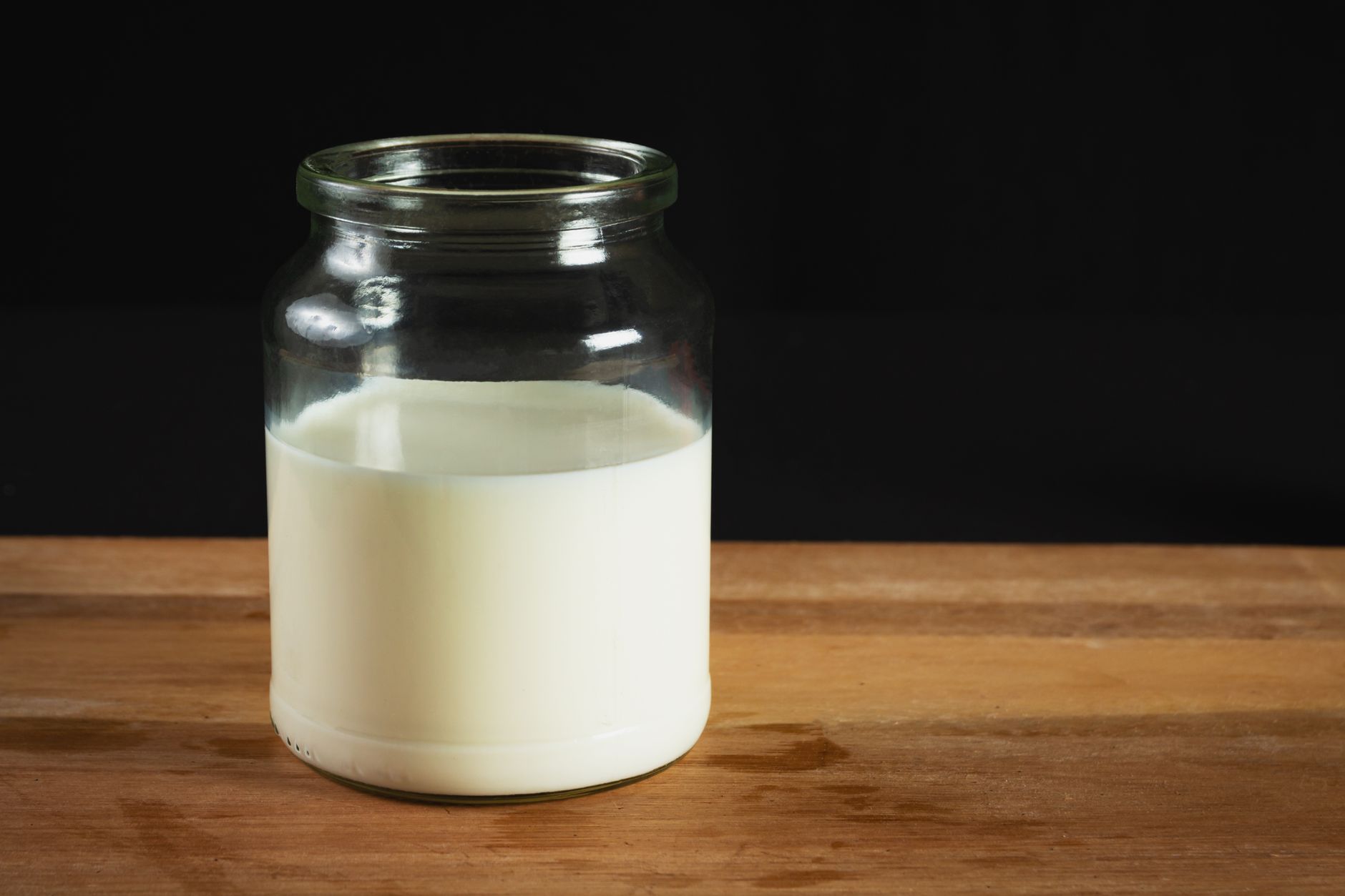
- Seal Tightly: After opening, transfer any unused condensed milk into an airtight container. This helps prevent exposure to air, which can lead to spoilage.
- Refrigerate: Store the airtight container in the fridge, ideally at the back where temperatures are most consistent.
- Avoid Contamination: Always use a clean spoon to scoop out the condensed milk to avoid introducing bacteria.
Signs of Spoilage
As with any food product, it’s crucial to check for signs of spoilage before using condensed milk, especially if it has been stored for several days. Here are a few indicators that it may no longer be safe to consume:
- Off Smell: If the condensed milk has an unpleasant or sour smell, it should be discarded.
- Discoloration: A change in color, such as browning or a cloudy appearance, could signal spoilage.
- Mold Growth: Any visible mold is a clear sign that the condensed milk is no longer safe to eat.
How to Extend the Shelf Life of Condensed Milk
If you’re looking to make your condensed milk last even longer, consider these tips:
- Freezing: You can freeze condensed milk to extend its shelf life up to three months. To do this, pour it into an airtight container, leaving space for expansion, and freeze. When ready to use, thaw in the refrigerator.
- Portion Control: Consider freezing small portions in ice cube trays. This allows you to thaw only what you need for future recipes.
Using Condensed Milk in Recipes
Condensed milk is a versatile ingredient that can be used in numerous recipes, including sweet treats and savory dishes. Here are some popular ways to utilize it:
Desserts
- Flan: A classic dessert in many cultures, flan made with condensed milk is rich and smooth.
- Key Lime Pie: Sweetened condensed milk serves as a primary ingredient in the creamy filling of this American favorite.
- Chocolate Fudge: Use condensed milk as a base for easy fudge recipes.
Beverages
- Thai Iced Tea: Condensed milk adds sweetness and a creamy texture to this beloved drink.
- Coffee: For a quick and sweet coffee fix, add a spoonful of condensed milk instead of regular milk or sugar.
Savory Dishes
- Curries: Incorporate a bit of condensed milk into curry recipes to add richness and depth of flavor.
- Dressing: Use condensed milk as a starter for creamy salad dressings, adding herbs and spices to taste.
Practical Tips for Cooking with Condensed Milk
When using condensed milk in your cooking, here are practical tips to enhance your experience:
- Adjust Sweetness: Since condensed milk is sweet, consider reducing other sweeteners in your recipes.
- Heat it Gently: When using condensed milk in cooking, heat it gently to prevent scorching and maintain its creamy texture.
- Mix Well: Because condensed milk is thick, it’s important to mix it thoroughly with other ingredients to ensure even distribution.
Common Mistakes When Storing Condensed Milk
Here are some common mistakes to avoid when storing condensed milk:
- Leaving it in the Can: Once opened, condensed milk should not be kept in its original can due to potential metal leaching.
- Improper Sealing: Failing to seal condense milk properly can lead to its early spoilage.
- Ignoring Expiration Dates: Always check for expiration or best-by dates on cans when purchasing condensed milk for the first time.
The Role of Condensed Milk in Different Cuisines
Condensed milk finds its way into various types of cuisine around the world, and its usage lends unique flavors and textures to different dishes:
- Latin American: In many Latin American countries, condensed milk is a key ingredient in desserts like tres leches cake, where it adds sweetness and moisture.
- Asian: In Asian cuisines, especially in Thailand, it is often used in drinks and desserts, bringing a creamy sweetness that complements fruits and teas.
- American: In the United States, it’s popular in pies, fudge, and as a sweetener for beverages like coffee and tea.
Handling and Serving Suggestions
When serving dishes that contain condensed milk or when using it as a topping, consider these suggestions:
- Presentation: Drizzle condensed milk over ice cream, pancakes, or waffles for an appealing look and a flavorful touch.
- Temperature: When serving desserts that incorporate condensed milk, keep them at room temperature to preserve creaminess.
- Pairing: Pair condensed milk desserts with fruits or nuts to balance the sweetness.
Summary and Tips for Efficient Use
Using condensed milk in your cooking and baking can elevate your dishes significantly. Its versatility makes it a valuable ingredient in both sweet and savory recipes. Just remember to store it properly in the fridge for up to 14 days after opening, or freeze it for longer storage. Being mindful of its signs of spoilage ensures the best quality in every use.
Before you get started, explore related resources to deepen your culinary skills. For more on food storage, check out how long cottage cheese lasts after opening, or learn about cooked chicken storage guidelines.