
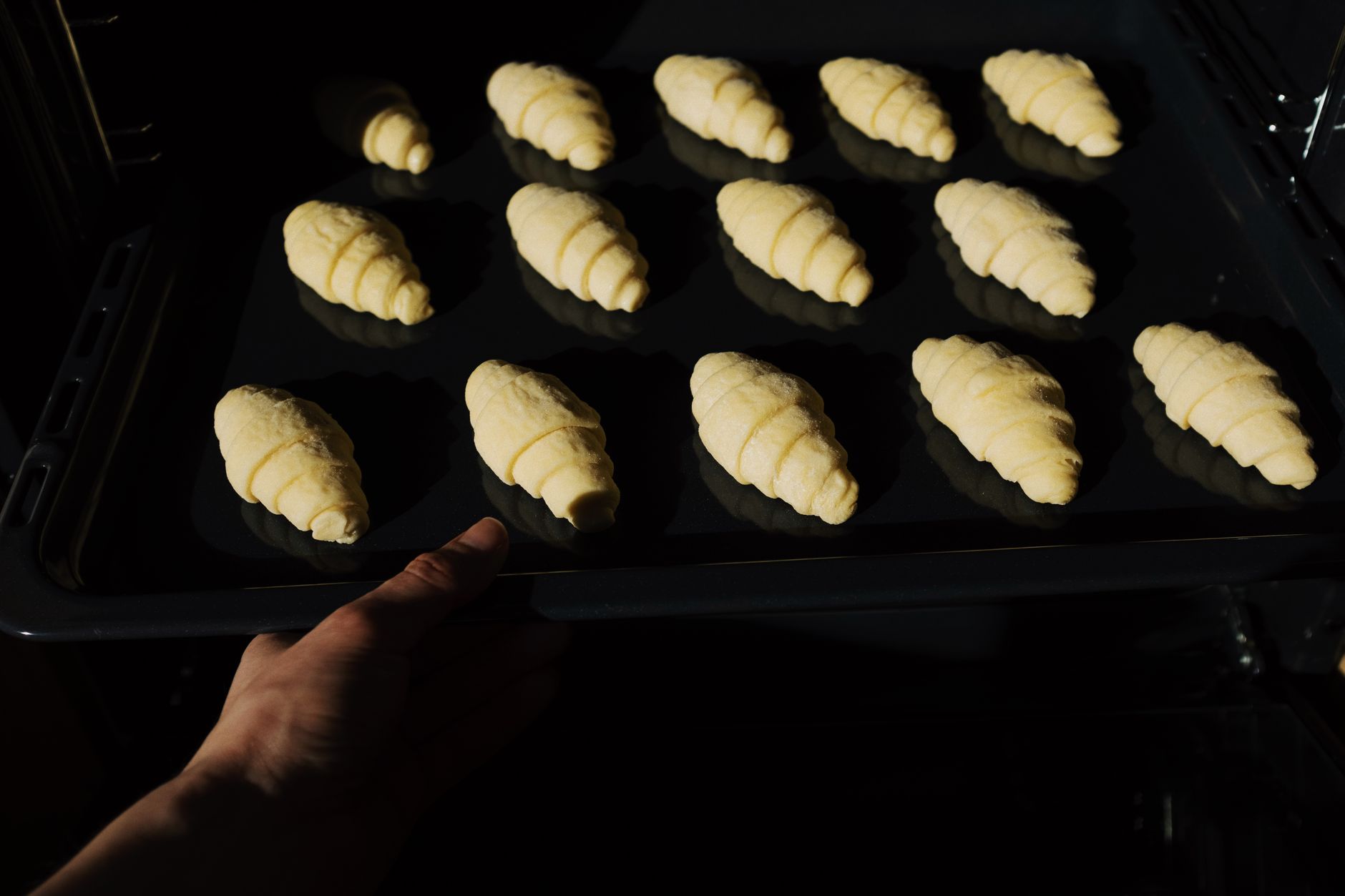
Bread dough is a versatile and convenient staple in many kitchens. The ability to prepare it in advance can save time and enhance the baking experience. However, understanding how long dough can last in the fridge and the best practices for storage is essential for achieving the perfect loaf. This article will guide you through the intricacies of storing bread dough in the refrigerator, from timing to useful tips for ensured success.
Many home bakers wonder about the longevity of bread dough in the fridge. This guide will explore how long bread dough can safely last, the factors that affect its shelf life, and the best practices for storing it to maintain its quality.
How Long Can Bread Dough Last in the Fridge?
Typically, bread dough can be stored in the refrigerator for up to 3 days. However, the actual duration depends on various factors, including the type of dough, the ingredients used, and how it was prepared before refrigeration. Following proper storage techniques can help ensure that your dough remains viable for baking.
Factors Affecting the Shelf Life of Bread Dough
Several key elements determine how long your bread dough can last in the fridge:
- Type of Dough: Different types of bread dough, such as yeast-based or sourdough, have varying shelf lives. Sourdough can often last slightly longer due to its acidity, which inhibits bacterial growth.
- Ingredients: The presence of sugar, fats, or dairy can influence the dough’s longevity. These ingredients can act as preservatives but may also change the texture over time.
- Preparation Techniques: Doughs that have been kneaded and allowed to rise before refrigeration may not last as long as those that are cold fermentation doughs.
- Storage Container: Using an airtight container can help prevent the dough from drying out or absorbing other odors from the fridge.
Storage Techniques for Bread Dough
Storing your bread dough correctly in the refrigerator is crucial for its longevity and quality. Here are some effective methods:
Step-by-Step Storage Instructions
- Knead and Prepare: Make your bread dough according to your recipe, ensuring it is well-kneaded for proper gluten development.
- Initial Rise: Allow the dough to rise at room temperature until it doubles in size, typically 1 to 2 hours. This step can enhance the dough’s flavor and texture.
- Shape and Wrap: Punch down the dough to release gas, shape it into a ball, and wrap it tightly in plastic wrap or place it in an airtight container. Ensure there’s enough space for the dough to expand.
- Label and Date: It’s a good practice to label your container with the date of storage. This will help you keep track of how long the dough has been in the fridge.
- Refrigerate: Place the container in the coldest part of your refrigerator, usually at the back of the top shelf.
Using Bread Dough After Refrigeration
Once your dough has been refrigerated, it can be rolled out and shaped, but here are some steps to follow:
- Remove from the Fridge: Take your dough out of the refrigerator 30 minutes to 1 hour before you want to use it, allowing it to warm slightly for better handling.
- Punch Down: Gently punch down the dough to release excess gas that has built up during refrigeration.
- Divide and Shape: Divide the dough if necessary and shape it according to your recipe. If you’re making rolls or loaves, allow the dough to rise again until it becomes puffy.
- Know Your Doneness Cues: Look for visual cues such as a doubled in size. Additionally, lightly pressing your finger into the dough should leave an indentation that slowly goes back.
- Bake: Follow your recipe’s baking instructions for the final baking step.
Signs Your Dough is No Longer Good
Despite proper storage, dough can spoil. Here are some signs to look for:
- Off Smells: If your dough has a sour, unpleasant odor, it may have fermented too long and should be discarded.
- Discoloration: Any visible changes in color beyond what’s usual for your dough may be a sign of spoilage.
- Mold Growth: If you see any mold, get rid of the dough immediately.
- Slime or Excessive Stickiness: If the dough feels overly sticky or slime-like, it’s best to toss it out.
Can You Freeze Bread Dough?
Freezing bread dough is another viable option if you want to store it for longer than a few days. Bread dough can be frozen for up to 3 months without sacrificing quality. To freeze bread dough:
- Prepare the Dough: Follow the same preparation steps as for refrigeration, allowing it to rise to about double its size.
- Shape and Wrap: Shape the dough, then wrap it tightly in plastic wrap, followed by aluminum foil, or place it in a freezer-safe airtight container.
- Label and Date: Don’t forget to label the container with the date.
- Freeze: Place it in the freezer, ensuring it stocks away from anything that can crush it.
Using Frozen Bread Dough
To use frozen bread dough, follow these steps:
- Defrost: Remove the dough from the freezer and place it in the refrigerator overnight or allow it to thaw at room temperature for about 4-6 hours.
- Let it Rise: Allow the dough to rise for approximately 1 to 2 hours at room temperature before shaping and baking.
- Observe for Quality: Check for freshness and make sure it rises appropriately before using it.
Common Mistakes to Avoid
When storing and using bread dough, there are several pitfalls you should try to avoid:
- Over-Kneading: Overdoing it can lead to a tough texture, making subsequent handling difficult.
- Inadequate Wrapping: Failing to wrap your dough well can lead to dehydration or absorbing fridge odors.
- Not Allowing Rise Time: Skipping the necessary rise and shaping steps will impact the final quality of the bread.
- Ignoring Storage Times: Losing track of how long the dough has been stored can jeopardize quality and safety.
FAQs About Storing Bread Dough
Can I store dough that includes egg in the fridge?
Yes, dough containing eggs can be stored in the fridge for about 1–2 days. The presence of eggs can cause spoilage so monitor for any off smells or textures closely.
What if my dough is too cold after refrigeration?
If your dough feels too cold and difficult to handle, simply let it sit at room temperature for a bit longer until it becomes workable again. This may take approximately 15-30 minutes.
Can I mix my bread dough and store it immediately?
Yes, you can mix your dough and store it right away, but keep in mind that it might not develop flavor as well compared to allowing it to rise first.
Conclusion
The key to successfully storing bread dough in the fridge lies in understanding the factors affecting its longevity. Generally, you can expect your dough to last 3 days refrigerated, while freezing extends its life up to 3 months. Make sure to use appropriate storage methods and check for freshness before baking. With these guidelines in place, you can optimize your bread-making experience.
If you’re interested in exploring related baking topics, consider checking out our guides on storing banana bread and sourdough discard pizza dough. These will provide you with valuable insights into other delicious baking practices.