
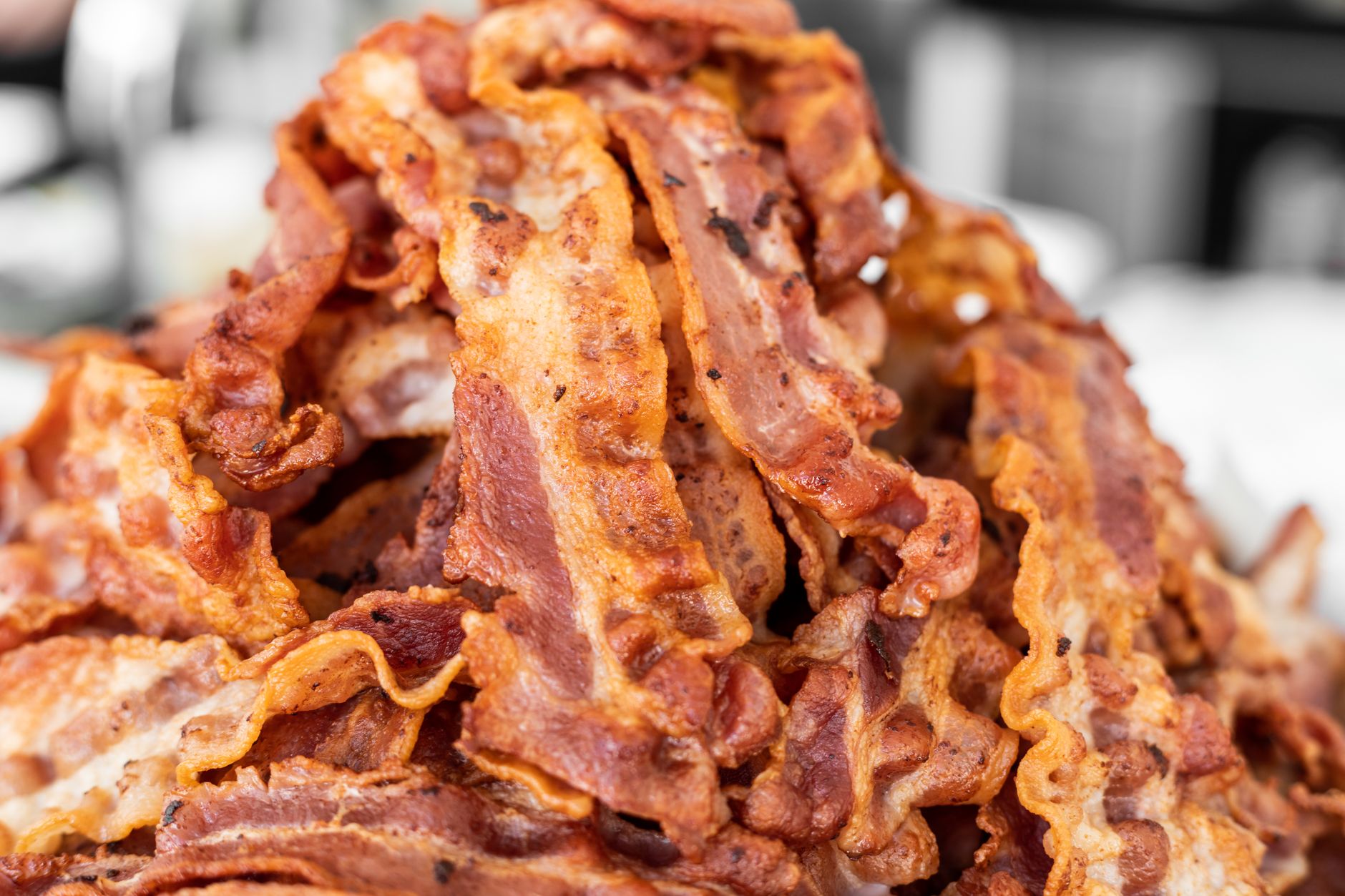
Bacon is a beloved staple in many kitchens, known for its smoky flavor and crispy texture. Whether enjoyed at breakfast, added to salads, or wrapped around delicious vegetables, its versatility is unmatched. However, many wonder: how long can bacon be in the fridge before it spoils?
This article dives deep into bacon storage, safety guidelines, and best practices to ensure that your bacon remains fresh and tasty. Understanding the shelf life of bacon can help you avoid any food waste and make the most out of your purchases.
How Long Can Bacon Be in the Fridge?
Raw bacon can typically stay in the refrigerator for one week, while cooked bacon can last in the fridge for up to four to five days. However, it’s important to consider packaging, storage methods, and the condition of the bacon to ensure safety.
Understanding Bacon Types and Packaging
Bacon can be categorized mainly into two types: raw and cooked. Each type has different storage times. Let’s explore the details:
Raw Bacon
Raw bacon, whether it’s sliced or whole, is usually vacuum-sealed or packaged in plastic. This packaging helps prolong its freshness. Here’s a breakdown of how long raw bacon can be kept based on its packaging:
- Unopened vacuum-sealed package: Typically lasts for up to two weeks in the refrigerator, and even longer if frozen.
- Opened package: If you’ve opened the pack, your bacon should be cooked within a week for the best quality.
Cooked Bacon
Cooked bacon has a shorter shelf life compared to raw bacon, mainly due to moisture content and exposure to air. Consider the following time frames:
- In the refrigerator: Cooked bacon can be stored for four to five days in an airtight container.
- In the freezer: If you want to store it for longer, cooked bacon can last for up to six months when frozen.
Storage Tips for Bacon
Proper storage is crucial to extending the shelf life of bacon. Consider these effective tips:
1. Keep It Sealed
Always store bacon in its original packaging until you’re ready to use it. For opened packages, transfer the bacon into an airtight container or resealable plastic bag to prevent air exposure and moisture loss.
2. Refrigerate Promptly
Bacon should always be stored in the refrigerator promptly after purchase. Try to keep it at a temperature of 40°F (4°C) or lower to minimize the risk of bacterial growth.
3. Use the Freezer for Long-Term Storage
If you don’t plan to use your bacon within a week, consider freezing it. You can freeze both raw and cooked bacon. To freeze raw bacon, consider separating the slices with parchment paper before placing them in a freezer bag for easy access.
Signs That Bacon Has Gone Bad
No one wants to serve spoiled bacon. Familiarize yourself with the signs that indicate your bacon has spoiled:
- Smell: Fresh bacon has a meaty and slightly salty aroma. If it has a sour or rancid odor, it’s best to discard it.
- Color: Raw bacon should be pink with white or light pink fat. If you see any brown or gray patches, it’s a warning sign of spoilage.
- Texture: Fresh bacon should feel moist but not slimy. If it’s slimy or sticky to the touch, toss it.
Best Practices for Using Bacon
To ensure the highest quality and flavor from your bacon, follow these best practices when cooking and handling it:
1. Thawing Frozen Bacon
If you have frozen bacon, always thaw it in the refrigerator overnight. Alternatively, you can also microwave it, but that may affect the texture. Never leave bacon out to thaw at room temperature, as this can foster bacterial growth.
2. Cook Thoroughly
When cooking bacon, ensure it reaches a safe internal temperature of at least 145°F (63°C). This helps eliminate bacteria present in the meat. Using a food thermometer is a wise practice to ensure food safety.
3. Leftover Storage
If you have leftover bacon after cooking, store it in an airtight container and refrigerate it within two hours after cooking to prevent any bacterial growth. Reheat it to a minimum temperature of 165°F (74°C) before serving again.
Can You Eat Expired Bacon?
It’s important to approach expired bacon with caution. Eating expired food, including bacon, is not advisable as it can lead to foodborne illnesses.
1. Checking Expiration Dates
Always check the sell-by or use-by date on the package. If you’ve passed these dates and the bacon shows no signs of spoilage, it may still be safe to eat; however, be cautious. The risk of consuming spoiled bacon increases the longer it remains beyond the recommended dates.
2. Short-Dated Bacon
Short-dated bacon, meaning it will expire soon, should be cooked or frozen immediately to avoid spoilage. Avoid buying bacon that’s close to the expiration date unless you plan to use it soon.
Creative Uses for Bacon
Once you understand how to store bacon properly, you can become more adventurous with it in your cooking. Here are some creative ways to use both raw and cooked bacon:
1. Breakfast Dishes
Besides the classic bacon-and-eggs breakfast, consider using bacon in breakfast burritos, omelets, or as a topping for pancakes and waffles for a sweet and savory twist.
2. Salads
Add cooked bacon to salads to give them a crispy texture. It pairs well in a Caesar salad or as a topping on a classic wedge salad.
3. Wraps and Entrées
Bacon can be used to wrap around vegetables like asparagus or around chicken for added flavor. This enhances both taste and presentation.
Cooking Techniques for Perfect Bacon
Cooking bacon may seem straightforward, but there are several methods to ensure it cooks perfectly every time. Here are the most popular techniques:
1. Stovetop Cooking
This classic method produces great flavor and texture. Here’s how to do it:
- Place strips of bacon in a cold skillet in a single layer.
- Turn on the heat to medium. This allows the fat to render and will help the bacon cook evenly.
- Cook for 6-8 minutes, flipping occasionally until the bacon reaches your desired crispness.
- Transfer to a plate lined with paper towels to drain excess grease.
2. Oven Baking
Baking bacon in the oven provides a hands-off approach with minimal mess. Follow these steps:
- Preheat your oven to 400°F (200°C).
- Line a baking sheet with parchment paper or aluminum foil and place a wire rack on top.
- Arrange the bacon on the rack in a single layer.
- Bake for 15-20 minutes or until evenly cooked and crispy.
- Drain on paper towels before serving.
3. Microwave Method
For quick cooking, the microwave can be a lifesaver. Here’s a simple method:
- Place bacon on a microwave-safe plate lined with paper towels.
- Cover with another paper towel to prevent splattering.
- Microwave on high for 4 to 6 minutes or until crispy, checking halfway through.
Common Mistakes When Cooking Bacon
Even a classic ingredient like bacon can lead to mistakes. Here are some common pitfalls to avoid:
- Cooking at Too High a Temperature: High heat can cause bacon to burn rather than crisp up, leading to uneven cooking.
- Overcrowding the Pan: If the bacon strips touch, they won’t cook evenly. Make sure to leave space for the fat to render.
- Not Rendering Enough Fat: Allow bacon to cook slowly so that the fat can fully render, creating a deliciously crispy texture.
Conclusion
Bacon is a delicious ingredient with a relatively moderate shelf life when stored properly. Regularly check for signs of spoilage and practice safe storage methods for the best quality and nutrition. Enjoy experimenting with this versatile meat by incorporating it into a variety of dishes!
If you’re interested in further exploring meat storage and safety, check out how long cooked chicken lasts and the shelf life of ground beef for more food safety tips.