
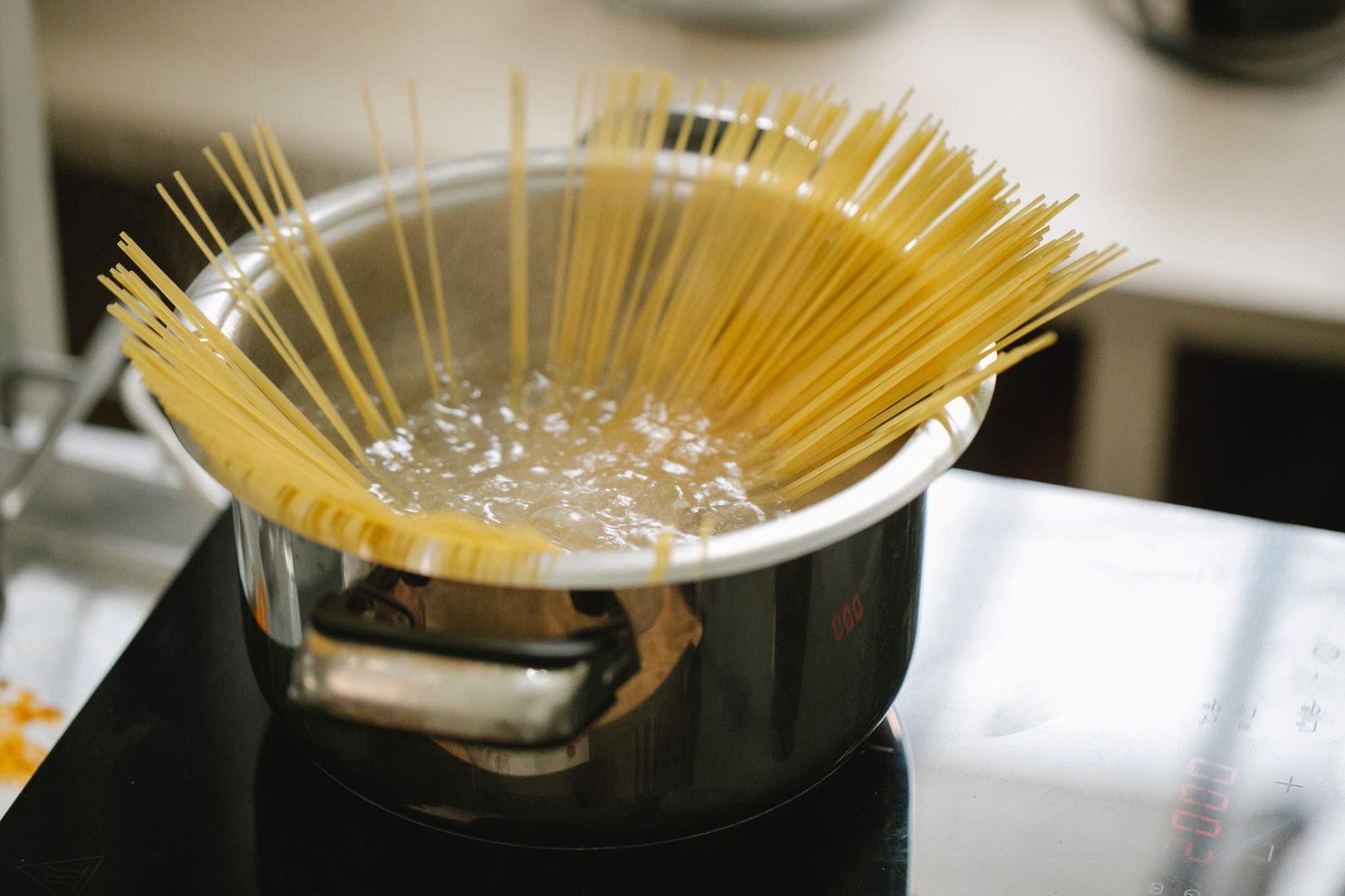
Cooking spaghetti is a foundational skill for anyone venturing into the kitchen. While it may seem straightforward, knowing exactly how long to boil spaghetti can significantly impact your dish’s final texture and flavor. With this guide, you will learn the optimal cooking times, doneness checks, and tips to achieve perfect spaghetti every time.
Whether you’re preparing a quick weeknight dinner or hosting a dinner party, mastering spaghetti can elevate your culinary confidence. Let’s explore how to boil spaghetti, including various cooking techniques and helpful cues for determining doneness.
How Long Boil Spaghetti?
The average cooking time for spaghetti is typically between 8 to 12 minutes, depending on the thickness and brand. Most standard spaghetti will be al dente, or firm to the bite, after about 9 to 10 minutes. To ensure the best results, always check the package instructions, as different types of spaghetti may have unique boiling times.
Understanding Spaghetti Types
Before boiling your spaghetti, it’s essential to recognize that not all spaghetti is created equal. Different styles and thicknesses may slightly alter cooking times. Here are some common types:
- Standard Spaghetti: Thin, long noodles made from durum wheat; cooks in about 8 to 12 minutes.
- Whole Wheat Spaghetti: A healthier alternative with a nuttier flavor; typically requires about 10 to 14 minutes.
- Gluten-Free Spaghetti: Often made from rice, quinoa, or legumes; serves best cooked for about 7 to 11 minutes.
- Linguine or Fettuccine: Wider than spaghetti; cooking time is similar, around 10 to 14 minutes for optimal texture.
Essential Equipment for Boiling Spaghetti
To cook spaghetti effectively, you will need a few essential pieces of kitchen equipment:
- Large Pot: A spacious pot helps the spaghetti cook evenly and prevents sticking.
- Colander: Useful for draining the pasta once cooked.
- Wooden Spoon or Pasta Tongs: Helps to stir the pasta and prevent clumping.
- Timer: To keep track of cooking time accurately.
Step-by-Step Instructions for Boiling Spaghetti
Here’s a simple, step-by-step method to boil spaghetti to perfection:
- Fill a large pot with water, ensuring there’s enough for the pasta to move freely. A good rule is to use 4 to 6 quarts of water for every pound of spaghetti.
- Add a generous amount of salt to the water; about 1 to 2 tablespoons. This helps to flavor the spaghetti while it cooks.
- Bring the water to a rapid boil over high heat.
- Once boiling, carefully add the spaghetti. Stir to prevent the noodles from sticking together.
- Set a timer for the cooking time recommended on the package, generally around 8 to 12 minutes.
- As the noodles cook, stir occasionally to help them separate and cook evenly.
- When the timer goes off, check for doneness. For al dente pasta, it should be firm yet tender, with a slightly chewy texture.
- Once done, drain the spaghetti in a colander, shaking off excess water.
Checking for Doneness
Determining the right level of doneness for your spaghetti is crucial. Here’s how to check:
- Texture Test: Take a piece of spaghetti and bite into it. It should be tender but still have a slight bite, commonly referred to as al dente.
- Visual Cue: The pasta should be uniformly cooked with a glistening appearance. No white core should remain in the center.
- Time Check: Stick to the package instructions, checking a minute or two before the suggested cooking time.
Common Mistakes When Boiling Spaghetti
Even though boiling spaghetti is straightforward, a few common mistakes can lead to unsatisfactory results:
- Not Salting the Water: Skipping the salt can lead to bland pasta.
- Overcooking: Leaving spaghetti in boiling water past the suggested time can make it mushy.
- Using Too Little Water: Inadequate water can cause the spaghetti to clump and cook unevenly.
- Rinsing the Pasta: Rinsing cooked spaghetti washes away starch, which helps sauces adhere better.
Practical Substitutions and Variations
If you find yourself in need of a different type of pasta or are looking to try something new, consider these options:
- Zoodles (Zucchini Noodles): A low-carb alternative that cooks quickly, usually needing only 3–5 minutes.
- Spaghetti Squash: A vegetable that provides a unique texture; should be roasted first before scraping into spaghetti-like strands.
- Rice Noodles: Often used in Asian dishes, they generally require soaking or a brief boil, around 5 minutes.
Flavor and Sauce Pairings
Once your spaghetti is boiled, it is time to consider flavor. Here are some classic pairing suggestions:
- Marinara Sauce: A fresh tomato-based sauce that complements the simple flavor of spaghetti.
- Aglio e Olio: Made with garlic, olive oil, and chili flakes for a simple and intense flavor.
- Pesto: This vibrant basil sauce offers a fresh and aromatic touch to your pasta.
- Alfredo Sauce: A creamy, rich sauce that envelops the noodles beautifully.
Storage Tips and Reheating Instructions
If you have leftover spaghetti, it’s essential to store it properly to maintain its quality. Follow these tips:
- Refrigeration: Store cooked spaghetti in an airtight container for up to 5 days.
- Freezing: For longer storage, freeze cooked spaghetti in a freezer-safe bag; it can last up to 2 months.
- Reheating: To reheat, add a splash of water and cover with a lid on low heat until warmed through. Alternatively, use a microwave with a few teaspoons of water.
Serving Suggestions
When it comes to serving spaghetti, presentation can elevate your dish significantly. Here are some ideas:
- Garnish with Fresh Herbs: A sprinkling of fresh basil or parsley can add a pop of color and flavor.
- Use Grated Cheese: Parmigiano-Reggiano or Pecorino Romano can enhance the overall taste.
- Add Vegetables: Incorporate sautéed vegetables, such as bell peppers or mushrooms, for added nutrition.
Conclusion
Boiling spaghetti is an essential cooking skill. Whether you prefer it al dente or fully cooked, understanding the right techniques and times can help you create fantastic pasta dishes effortlessly. Experiment with different sauces and seasonings to find your favorite flavors.
For more culinary guidance, explore tips on how to boil asparagus or try our pasta and peas recipe for your next meal.