
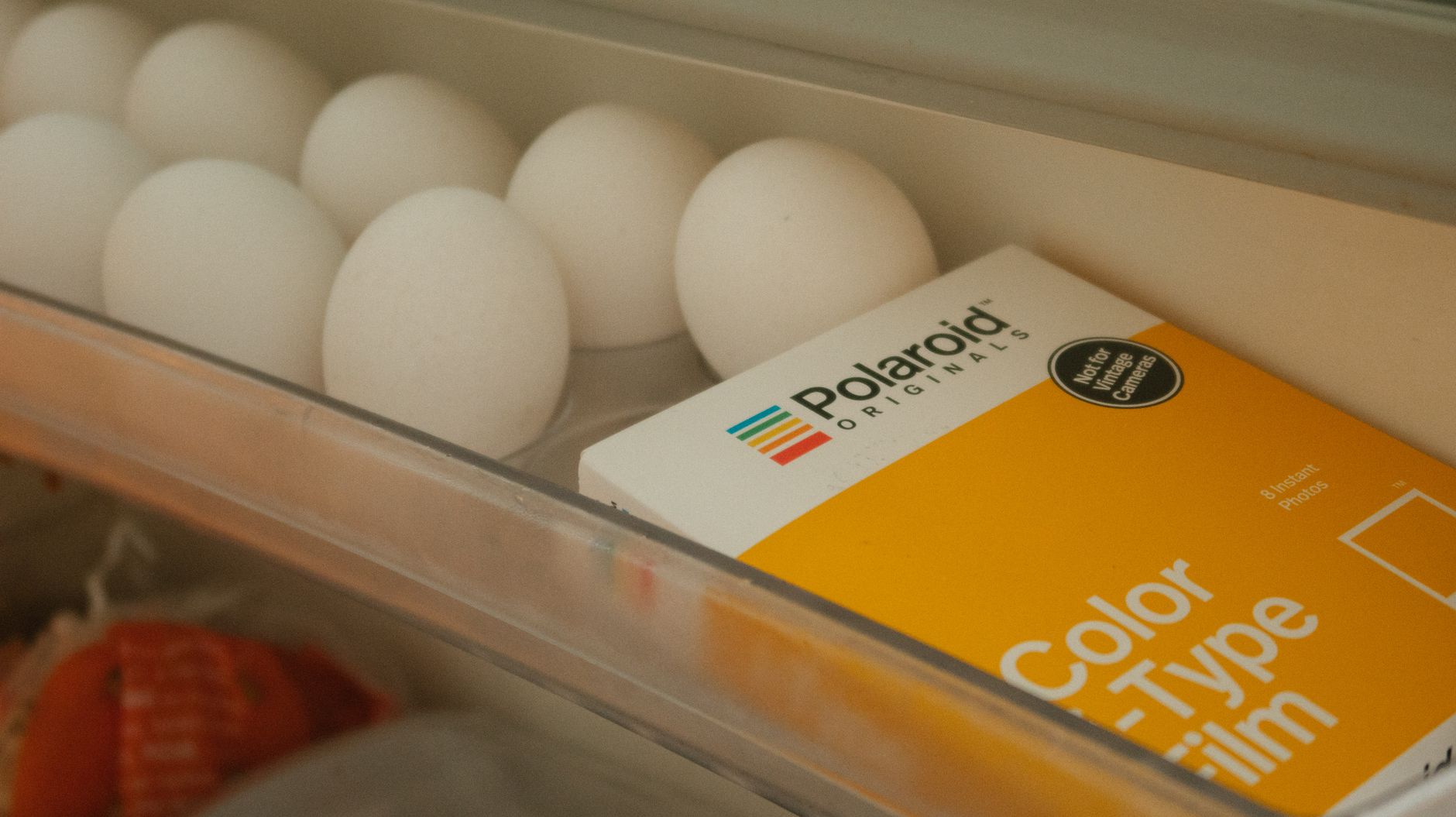
Eggs are a staple in many kitchens, known for their versatility and essential role in a wide range of recipes. However, you may wonder: how long before they go bad in the fridge? Understanding egg storage and freshness can not only prevent food waste but also ensure you are cooking safely.
This guide will delve deep into how to store eggs properly, determine their freshness, and maximize their shelf life in the fridge. With proper knowledge, you can enjoy your eggs at their best without the worry of spoilage.
How Long Before Eggs Go Bad in the Fridge?
Generally, eggs can last a minimum of three to five weeks in the refrigerator beyond their sell-by or expiration date when stored properly in their original carton. Factors such as temperature, moisture, and handling practices can significantly impact their longevity.
Understanding Egg Shelf Life
Eggs have a natural protective coating called the bloom or cuticle, which helps keep bacteria out and moisture in. However, once eggs are washed – as is common in the U.S. – this coating is removed, reducing the shelf life.
Here are some key timelines relating to egg freshness:
- Unopened Fresh Eggs: 3 to 5 weeks in the refrigerator.
- Hard-Boiled Eggs: 1 week in the refrigerator.
- Raw Egg Whites and Yolks: 2 to 4 days in the refrigerator.
- Cooked Egg Dishes: 3 to 4 days in the refrigerator.
Factors Affecting Egg Freshness
Several factors play a crucial role in determining how long eggs stay fresh. Here are some of the most important:
1. Temperature
Keeping eggs at a consistent refrigerator temperature of 40°F (4°C) or below is vital for preventing spoilage. It is best to store them at the back of the fridge where it is coldest, rather than in the door where temperature fluctuations are more common.
2. Humidity
High humidity levels in the refrigerator can cause eggs to absorb odors and flavors from other foods, which may affect their quality. Keeping eggs in their original carton can help minimize this risk.
3. Handling
Minimize handling and remember to wash hands, surfaces, and utensils properly after exposure to raw eggs to prevent contamination. Avoid cracks and ensure that you only refrigerate eggs that have not been left out at room temperature for more than two hours.
How to Check If Eggs Are Still Good
There are several methods to check the freshness of eggs before using them. Here are three reliable ways to determine whether your eggs are still good to eat:
1. The Float Test
Fill a bowl with water and gently place an egg in it. Fresh eggs will sink and lie flat on the bottom. If the egg stands upright or floats, it is no longer fresh and should be discarded.
2. The Sniff Test
Crack the egg open in a bowl, and take a whiff. If it smells bad or sulfurous, do not use it. Fresh eggs have no odor.
3. The Visual Inspection
Inspect the egg for any discoloration or unusual spots. Fresh eggs have intact shells without cracks and a clear appearance of the egg white. If the egg white is cloudy and the yolk is firm and round, it is still fresh.
Proper Egg Storage Techniques
Following a few simple storage techniques can help extend the shelf life of eggs and maintain their quality:
1. Keep Eggs in Their Carton
Storing eggs in their original carton helps protect them from absorbing strong odors and flavors from other foods. It also reduces the risk of eggs cracking.
2. Store in the Main Fridge Compartment
Place eggs on the middle or bottom shelf of the refrigerator, not in the door, as this area experiences temperature fluctuations that can compromise egg freshness.
3. Avoid Washing Eggs
Unless absolutely necessary, do not wash eggs before storing. Washing can remove the natural protective coating, increasing the risk of contamination.
What Happens If You Eat Expired Eggs?
Consuming expired or spoiled eggs can lead to foodborne illnesses such as Salmonella. Symptoms may include abdominal cramps, diarrhea, fever, and vomiting. In severe cases, it can lead to hospitalization.
To lessen the risk of foodborne illness, it is best to err on the side of caution and discard any eggs that are questionable.
Creative Uses for Older Eggs
If you have eggs that are nearing their expiration date but are still good to use, consider these creative culinary options:
1. Hard-Boiled Eggs
Transform older eggs into hard-boiled eggs for salads, sandwiches, or snacks. Just be sure to consume them within one week of boiling.
2. Scrambled or Fried Eggs
Use older eggs for breakfast by scrambling or frying them. Add vegetables or cheese for added flavor and nutrients.
3. Baking
Incorporate older eggs into baked goods such as cakes, muffins, or bread. The heat during baking kills any potential bacteria, making this a safe option.
Common Mistakes to Avoid with Egg Storage
Here are some common storage mistakes to avoid to extend the life of your eggs:
1. Storing Eggs at Room Temperature
Do not store eggs at room temperature for extended periods; this promotes bacterial growth and can reduce the shelf life significantly.
2. Ignoring Sell-By Dates
While sell-by dates provide guidance, remember that eggs can still be good after these dates if stored properly. Always check for freshness before use.
3. Not Using the Eggs Promptly
If eggs are nearing their expiration date, make a plan to use them rather than letting them go to waste. Incorporate them into your meal prep for the week.
How Long Do Eggs Last After the Sell-By Date?
Eggs are generally good for 3 to 5 weeks after their sell-by date if they have been properly stored. Before using or consuming them after this date, be sure to conduct the freshness checks mentioned earlier.
What to Do with Expired Eggs?
If you discover that your eggs are indeed expired, it is crucial to dispose of them safely. Here’s what to keep in mind:
1. Discard with Care
When disposing of expired eggs, be sure to seal them in a bag to prevent odors and to keep pests away. Throw the bag into the garbage rather than composting to avoid attracting animals.
2. Consider the Environment
If you want to be environmentally conscious, use the eggshells by crushing them and adding them to your compost. However, avoid composting the contents of expired eggs.
Conclusion
Understanding how to store eggs properly and check for freshness can significantly extend their shelf life, ensuring your meals are safe and enjoyable. Remember to follow the recommended storage practices, monitor expiration dates, and conduct simple freshness tests before use.
Now that you’re equipped with this knowledge, you can confidently stock up on eggs without worry. To learn more about food storage, consider checking out guides on how to keep eggs fresh or how long eggs can last after their sell-by date.
Explore related recipes and tips on our blog for more culinary insights!