
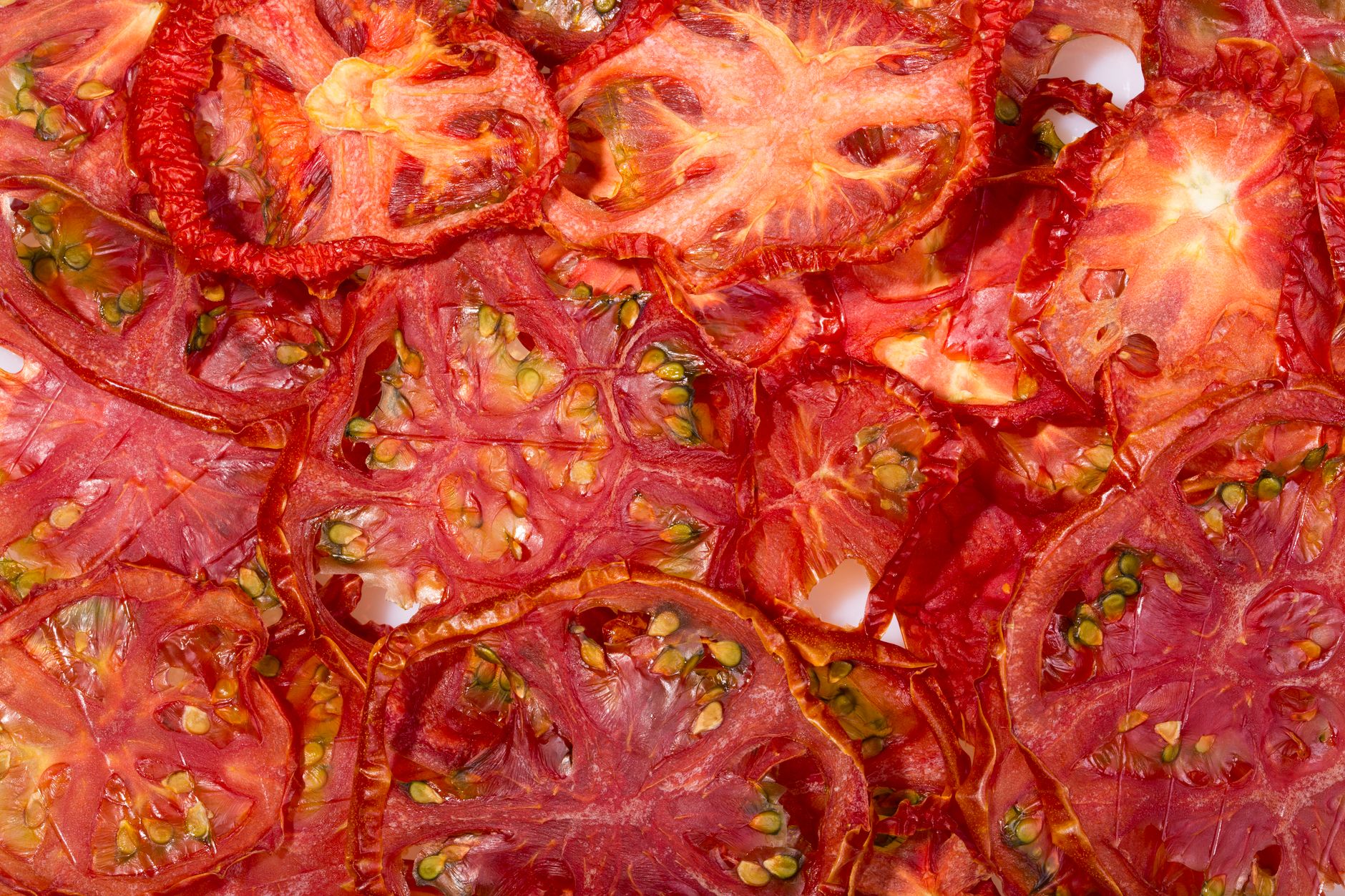
Sundried tomatoes are a flavorful ingredient that can elevate many dishes, from salads to pasta. However, if you’ve recently opened a jar or a pouch of sundried tomatoes, you might wonder about their shelf life and how to store them properly. Understanding how long sundried tomatoes are good for after opening, as well as their nutritional benefits, is vital for maximizing both flavor and safety in your cooking.
This article will explore the shelf life of opened sundried tomatoes, how to store them effectively, their nutritional value, and some tips on using this versatile ingredient in your meals.
How Long Are Sundried Tomatoes Good for After Opening?
Once opened, sundried tomatoes can last anywhere from one week to two weeks in the refrigerator, depending on how they are stored. If they are stored in oil, they can last up to two weeks, while dry sundried tomatoes should be consumed within one week for the best taste and quality.
Proper storage is essential for extending the freshness and usability of your sundried tomatoes. Let’s take a closer look at the factors that influence their shelf life after opening.
Understanding Sundried Tomatoes
Sundried tomatoes are made by drying fresh tomatoes in the sun or a dehydrator, resulting in a concentrated flavor and chewier texture. They are often sold in two forms: dry and packed in oil. Each type has its own use cases and shelf-life considerations after opening.
Types of Sundried Tomatoes
- Dry Sundried Tomatoes: These tomatoes can be rehydrated before use. They have a firmer texture and a strong umami flavor. Dry sundried tomatoes should be kept airtight and stored in a cool, dry place.
- Oil-Packed Sundried Tomatoes: Preserved in oil, these tomatoes have a softer texture and are ready to use straight from the jar. The oil helps improve their shelf life but also means you should handle them more carefully to prevent spoilage.
Storage Guidelines for Opened Sundried Tomatoes
Proper storage of sundried tomatoes after opening can significantly impact their freshness and flavor. Here are some guidelines based on the type of sundried tomato you have:
For Oil-Packed Sundried Tomatoes
- Keep them in the original jar if possible, ensuring that the tomatoes are fully submerged in oil.
- Store the jar in the refrigerator after opening. This helps slow down the spoilage process.
- To reduce the chances of contamination, use a clean utensil each time you take out tomatoes.
- Oil-packed sundried tomatoes can typically last up to two weeks when stored properly in the fridge.
For Dry Sundried Tomatoes
- Transfer them to an airtight container after opening to minimize exposure to air.
- Keep the container in a cool, dark place, such as a pantry or cupboard.
- For maximum freshness, it’s best to consume dry sundried tomatoes within one week of opening.
Nutritional Value of Sundried Tomatoes
Sundried tomatoes are not only delicious but also packed with nutrients. Knowing their nutritional value can help you incorporate them effectively into your meals.
Vitamins and Minerals
- Vitamin C: Essential for immune function and skin health, sundried tomatoes retain a good amount of vitamin C, even after the drying process.
- Vitamin K: Important for bone health and blood clotting, sundried tomatoes can provide a reasonable amount of this vitamin.
- Iron: Necessary for transporting oxygen in the blood, sundried tomatoes can help boost your iron intake.
Other Nutrients
Beyond vitamins and minerals, sundried tomatoes are also low in calories and high in fiber, making them a healthy addition to many dishes. They contain antioxidants, which can help combat free radicals in the body, contributing to overall health and well-being.
Ways to Use Sundried Tomatoes
Sundried tomatoes can add depth to various dishes. Here are some practical ways to incorporate them into your cooking:
Pasta Dishes
Add chopped sundried tomatoes to pasta sauces to enrich their flavor. They pair particularly well with creamy Alfredo sauces or a simple garlic and olive oil dressing.
Salads
Include sundried tomatoes in salads for a burst of flavor. They work well with fresh greens, mozzarella, and a drizzle of balsamic vinegar.
Sauces and Dips
Blend sundried tomatoes into sauces, spreads, or dips. They can enhance the taste of hummus, pesto, or even as a pizza topping.
Soups and Stews
Integrate sundried tomatoes into soups and stews for added texture and flavor. Adding them during the cooking process allows their flavors to meld with other ingredients.
Bruschetta and Sandwiches
Create a delicious bruschetta topping by mixing sundried tomatoes with garlic, basil, and olive oil. They are also fantastic in sandwiches, adding a savory kick.
Common Mistakes and Troubleshooting
When working with sundried tomatoes, a few common mistakes can detract from your cooking experience. Here are some tips to avoid pitfalls:
Not Rehydrating Dry Sundried Tomatoes
Many people forget to rehydrate dry sundried tomatoes before use. Soaking them in warm water, broth, or wine for about 30 minutes can restore their softness and enhance their flavor.
Improper Storage
Storing sundried tomatoes incorrectly can lead to spoilage. Always ensure they are sealed tightly and kept in an appropriate environment.
Ignoring Expiration Dates
Pay attention to expiration dates on the packaging. Even if they seem fine, consuming expired sundried tomatoes can lead to negative flavors and texture.
Make-Ahead and Batch Cooking Tips
Sundried tomatoes can add convenience to meal prepping. Here are some ways to include them in your meal-planning efforts:
Batch Cooking
- Incorporate sundried tomatoes into batch dishes like sauces or casseroles. They can easily enrich hearty meals.
- Prepare pasta or grain salads ahead of time, including sundried tomatoes, for quick lunches or dinners throughout the week.
Freezing Options
If you find you have leftover sundried tomatoes and are concerned about their shelf life, consider freezing them. This can extend their usability:
- For oil-packed sundried tomatoes, drain excess oil and place them in an airtight container or freezer bag before freezing.
- For dry sundried tomatoes, keep them in an airtight bag and freeze. They can last several months this way.
Signs of Spoilage
It’s crucial to recognize when sundried tomatoes have gone bad. Here are some warning signs:
- Off Smell: If they emit a rancid or unusual odor, it’s best to discard them.
- Mold Growth: Any visible mold is a sure sign that the product has spoiled and should not be consumed.
- Texture Changes: If the tomatoes feel excessively slimy or hard, they may have gone bad.
Conclusion
Sundried tomatoes are a versatile and nutrient-dense ingredient that can enhance a variety of dishes. By understanding their shelf life, proper storage practices, and how to incorporate them into your meals, you can make the most of this flavorful ingredient. Whether you choose the oil-packed version or the dry variety, paying attention to storage and handling will ensure that your sundried tomatoes remain a delightful part of your cooking for as long as possible.
If you want to learn more about food storage or explore other ingredients, check out how long cottage cheese lasts after opening or how long chicken is good for in the fridge.