
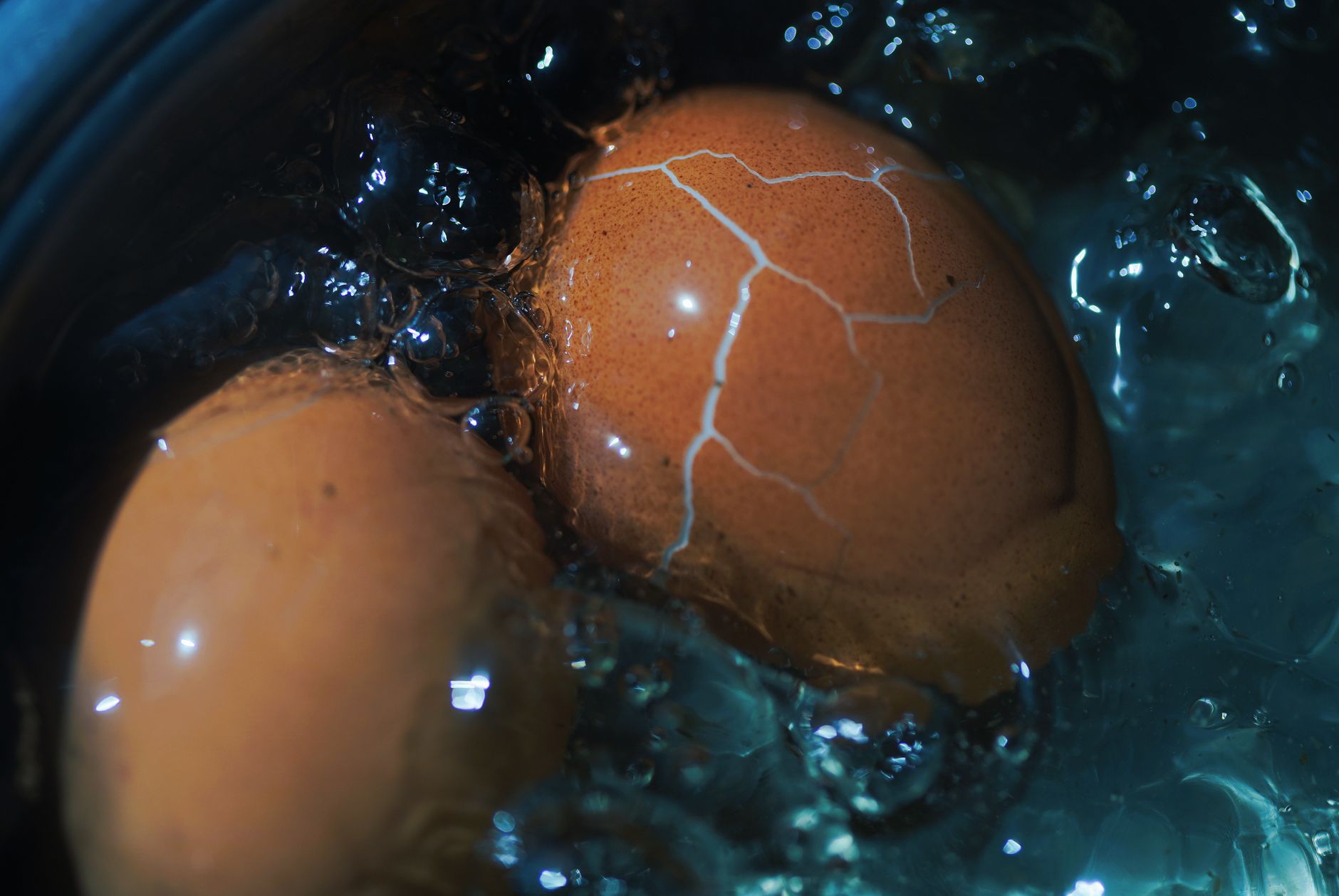
Hard-boiled eggs are a versatile ingredient that can elevate various dishes or be enjoyed as a simple snack. Understanding how long these eggs remain safe to eat is crucial for both food safety and meal planning. This article delves into the proper storage, shelf life, and best practices for hard-boiled eggs to help you enjoy them at their freshest.
Whether you’re prepping for breakfast, packing lunch, or looking for a protein-rich snack, knowing how to store and how long hard-boiled eggs are good for can save you from food waste and keep your meals delicious and safe. Let’s explore this topic in detail.
How Long Are Hard-Boiled Eggs Good For?
Hard-boiled eggs can remain safe to eat for up to one week when stored correctly in the refrigerator. If they are peeled, it is best to store them in a sealed container with a damp paper towel to maintain moisture and minimize the risk of spoilage. Always check for signs of spoilage before consuming leftover eggs.
Understanding Hard-Boiled Eggs
Hard-boiled eggs are eggs that have been cooked in boiling water until both the white and yolk are firm. They are not only easy to prepare but also packed with protein and other important nutrients. Hard-boiling eggs can be a straightforward task, and they can be used in numerous dishes or served as a snack on their own. However, understanding their shelf life and the factors affecting their freshness is vital for food safety.
Benefits of Hard-Boiled Eggs
- High protein content: A great option for a quick protein boost.
- Versatile ingredient: Use them in salads, sandwiches, or as a standalone snack.
- Meal prep friendly: They can be made in batches and stored for convenience.
- Affordable: Generally low-cost compared to other protein sources.
How to Store Hard-Boiled Eggs
Proper storage is essential to extend the shelf life of hard-boiled eggs. Here are the recommended storage methods:
Whole, Unpeeled Hard-Boiled Eggs
- Store in the refrigerator in their shells to reduce the risk of contamination.
- Keep in a covered container or bowl to avoid absorbing strong odors from other foods.
- Label the storage container with the cooking date for reference.
Peeled Hard-Boiled Eggs
- Place in a sealed container with a damp paper towel to keep them moist.
- Cover the container to minimize exposure to air, which can dry them out.
- Consume within five days for best quality.
Signs of Spoilage
It’s essential to identify signs of spoilage in hard-boiled eggs to avoid consuming potentially harmful food. Here are the key indicators:
- Odor: A strong sulfur smell can indicate spoilage. Fresh hard-boiled eggs will have a mild aroma.
- Texture: Slimy or excessively dry texture may indicate spoilage.
- Discoloration: Yellow or green hues around the yolk indicate that the egg has gone bad.
- Expiration date: Heed the dates and consume your eggs within one week of cooking.
How Long Do Hard-Boiled Eggs Last After Being Peeled?
Peeled hard-boiled eggs have a shorter shelf life than those that are kept in their shells. When peeled, it is best to consume them within 3 to 5 days if stored correctly in the refrigerator. Always check for signs of spoilage before eating.
Freezing Hard-Boiled Eggs
While it’s not recommended to freeze hard-boiled eggs in their whole form due to texture changes post-thaw, you can freeze their yolks. Here’s how:
How to Freeze Hard-Boiled Egg Yolks
- Separate the yolks from the whites after cooking.
- Place the yolks in an airtight container, mixing them with a bit of oil or butter to prevent them from becoming crumbly.
- Label the container with the date and freeze.
- Use within six months for best quality.
How to Thaw Frozen Egg Yolks
- Transfer the container from the freezer to the refrigerator and allow them to thaw overnight.
- Once thawed, use the yolks in various recipes, such as sauces, scrambled eggs, or as a filling.
Cooking Techniques for Perfect Hard-Boiled Eggs
Consistency is key when cooking hard-boiled eggs. Here’s how to achieve the best results:
Classic Boiling Method
- Place eggs in a single layer in a pot and cover with cold water.
- Bring water to a rolling boil over high heat.
- Once boiling, cover the pot, remove from heat, and let sit for about 9-12 minutes, depending on your desired doneness.
- Transfer eggs to an ice bath immediately to stop the cooking process for at least 5 minutes.
- Peel and enjoy or store as needed.
Steaming Method
- Fill a pot with about an inch of water and bring it to a boil.
- Place a steaming basket above the boiling water and add eggs in a single layer.
- Cover the pot and steam for 12-16 minutes, depending on the desired doneness.
- Move the eggs to an ice bath to cool.
Common Mistakes When Boiling Eggs
Even though boiling eggs seems simple, a few common errors can lead to less-than-ideal results. Here’s how to avoid them:
- Cooking eggs at a rolling boil can make them rubbery; opt for lower heat once boiling.
- Not using an ice bath can result in overcooked eggs, leading to a greenish yolk.
- Skipping the egg’s water before cooking can make peeling difficult.
Meal Ideas with Hard-Boiled Eggs
If you have hard-boiled eggs on hand, consider these delicious meal options:
- Egg Salad: Mash the hard-boiled eggs with mayonnaise, mustard, and your choice of seasonings for a classic sandwich filling.
- Cobb Salad: Dice hard-boiled eggs and toss them with lettuce, bacon, avocado, and blue cheese for a filling salad.
- Deviled Eggs: Mix the yolk with mayonnaise and mustard, then pipe the mixture back into the egg whites for a tasty appetizer.
- Breakfast Burrito: Add chopped hard-boiled eggs to your breakfast burrito with vegetables, cheese, and your favorite sauce.
FAQ about Hard-Boiled Eggs
How long does it take to cook hard-boiled eggs?
Cooking hard-boiled eggs generally takes about 9 to 12 minutes from the boiling point, depending on desired firmness. Use the lower time for a creamier yolk, and the longer time for a more firmly set yolk.
Can hard-boiled eggs be left out at room temperature?
Hard-boiled eggs should not be left out at room temperature for longer than two hours to ensure food safety. Store them in the refrigerator as soon as they have cooled down.
How can I quickly peel hard-boiled eggs?
To make peeling easier, consider using older eggs instead of fresh ones, as they peel better. Cracking the egg shell all over and then rolling it on the counter before peeling can also help loosen the membrane.
Conclusion
Hard-boiled eggs are a practical and nutritious option in any meal routine. With proper storage, they can be enjoyed throughout the week regardless of whether they are peeled or unpeeled. Always monitor for any signs of spoilage to ensure safety. Make the most out of this versatile ingredient by cooking it with precision and exploring various delicious recipes.
For more related information, be sure to check out: how long can you keep eggs in the refrigerator or how long do eggs last after their sell-by date.