
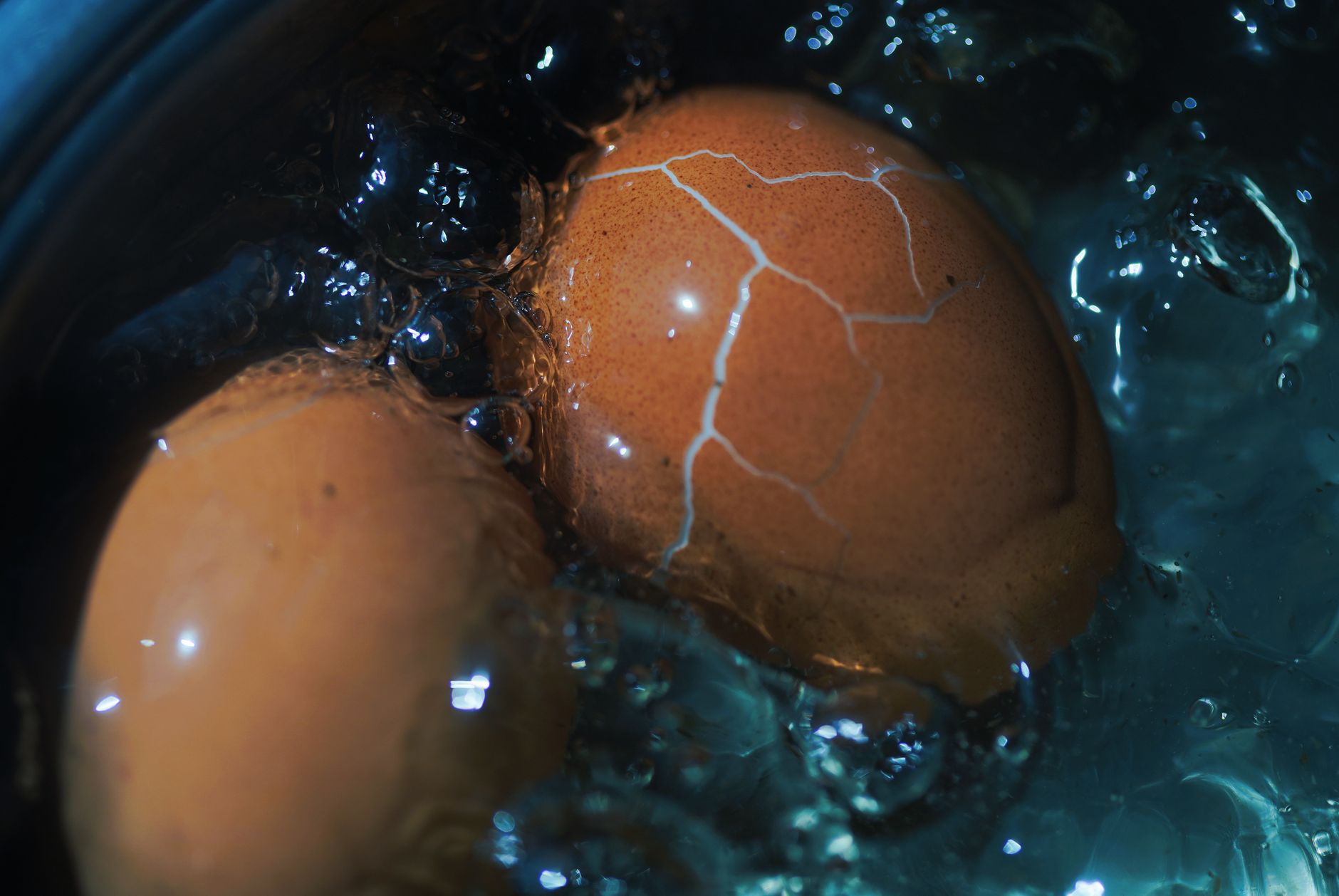
Hard boiled eggs are a versatile and nutritious snack or ingredient, frequently enjoyed in salads, sandwiches, or as a tasty grab-and-go bite. However, knowing how long they remain good in the fridge is crucial for food safety and flavor. In this guide, we will explore the shelf life of hard boiled eggs, proper storage practices, and tips to identify when they have gone bad.
Understanding the longevity of hard boiled eggs helps you minimize waste and makes meal prep more manageable. Read on to learn all about keeping your hard boiled eggs fresh for maximum enjoyment.
How Long Are Hard Boiled Eggs Good For In The Fridge?
Hard boiled eggs can typically last for one week in the refrigerator when stored properly. However, several factors can influence their freshness, so it’s vital to know how to store them and recognize signs of spoilage.
The Basics of Hard Boiled Egg Storage
Proper storage is essential for maximizing the shelf life of hard boiled eggs. Here’s how to ensure they stay fresh:
- Refrigeration: Always store hard boiled eggs in the refrigerator. The cool temperature helps to slow bacterial growth and prolong freshness.
- Shell On vs. Shell Off: It’s generally advisable to keep the shells on until you are ready to eat them. The shells protect the eggs from bacteria and help them retain moisture.
- Store in the Original Carton: If possible, store hard boiled eggs in their original carton. This helps prevent odor absorption and provides a barrier against moisture loss.
- Use a Sealed Container: If you have peeled the eggs, place them in a sealed container with a damp paper towel to maintain moisture. This prevents them from drying out.
Cues for Freshness: How to Tell if Hard Boiled Eggs Have Gone Bad
Even when stored appropriately, it’s essential to check if hard boiled eggs remain fresh before consuming them. Here are several indicators to look for:
Visual Inspection
First, examine the hard boiled eggs for any visible signs of spoilage:
- Cracks: If the egg shell is cracked, it may harbor bacteria. Discard it for safety.
- Moisture: Watch out for any sliminess on the shell or the eggs themselves, which can indicate bacterial growth.
- Discoloration: If the egg white has turned a pink or a bluish hue, it’s time to throw it away.
Sniff Test
Next, give the egg a gentle sniff. Hard boiled eggs that have gone bad typically emit a sulfurous or rotten odor. If it doesn’t smell normal, it’s best not to eat it.
Texture and Taste Test
If the egg looks and smells okay but you’re still unsure, you can check its texture and flavor:
- Texture: A fresh hard boiled egg will feel firm. If it feels overly soft, it’s a sign of spoilage.
- Taste: If the egg seems suspicious but you decide to taste a small piece, a spoiled egg will have an unpleasant, off flavor. Discard it if it tastes odd.
Cooking and Preparing Hard Boiled Eggs
To ensure optimal taste and freshness, it’s essential to know how to cook your hard boiled eggs correctly. Below is a straightforward method for boiling eggs:
Ingredients
- Eggs (as many as you desire)
- Water (enough to cover the eggs in a pot)
Essential Equipment
- Medium saucepan
- Slotted spoon
- Bowl of ice water
- Timer
Cooking Steps
- Place the Eggs in the Pot: Carefully arrange the eggs in a single layer in your saucepan.
- Add Water: Fill the pot with enough water to cover the eggs by about an inch.
- Bring to a Boil: Heat the pot over medium-high heat until it reaches a rapid boil.
- Simmer: Once boiling, cover the pot and reduce the heat to low. Allow it to simmer for 9-12 minutes, depending on the size of the eggs and desired yolk consistency.
- Ice Bath: After cooking, immediately transfer the eggs to a bowl filled with ice water. This halts the cooking process and reduces the likelihood of a greenish ring forming around the yolk.
- Cool and Store: Leave the eggs in the ice bath for at least 5 minutes, then peel or refrigerate as desired.
Hard Boiled Egg Uses and Meal Prep Ideas
Hard boiled eggs can be a delicious addition to various meals. Their protein-rich nature makes them ideal for snacks and lunches. Here are some creative ways to use hard boiled eggs:
- Salads: Chop hard boiled eggs to toss in salads for added protein. They pair perfectly with greens, avocado, and vinaigrette.
- Sandwiches and Wraps: Slice them in half and place them in sandwiches or wraps with your favorite spreads and toppings.
- Deviled Eggs: Mix the yolks with mayonnaise, mustard, and spices, then fill the egg whites for a classic appetizer.
- Breakfast Bowls: Slice or chop hard boiled eggs and add them to breakfast bowls with quinoa, vegetables, and a sauce.
Common Mistakes When Cooking Hard Boiled Eggs
While boiling eggs may seem straightforward, several common pitfalls exist. Here are some mistakes and how to avoid them:
- Overcooking: Cooking eggs too long can lead to a rubbery texture and the formation of a green ring around the yolk. Aim for the ideal cooking time of about 9-12 minutes.
- No Ice Bath: Skipping the ice bath makes peeling your eggs difficult and may cause overcooking. Always cool them down quickly afterward.
- Boiling Cold Eggs: Starting with cold eggs can lead to cracking. Allow them to sit at room temperature for a few minutes before boiling.
How to Peel Hard Boiled Eggs Easily
Peeling hard boiled eggs can sometimes be a challenge. Here are a few methods to make this process easier:
- Freshness Matters: Use eggs that are at least a week old for easier peeling, as fresher eggs often stick to the shell.
- Crack and Roll: Once cooled, gently tap the egg on the counter and roll it to crack the shell all around, making it easier to peel.
- Peel Under Water: Peeling eggs under running water can help loosen stubborn pieces of shell.
Freezing Hard Boiled Eggs: Is It Possible?
While freezing hard boiled eggs is technically possible, it is not recommended due to changes in texture. Hard boiled whites can become rubbery and the yolks may not maintain their creamy consistency when thawed. However, if you find yourself with too many hard boiled eggs, consider this:
- Freeze Yolks: If you want to freeze, consider only freezing the yolks. Mix them with a little oil or butter and then freeze them in a sealed container.
Frequently Asked Questions
Can You Eat Hard Boiled Eggs After a Week?
Yes, generally, if they have been stored properly in the refrigerator, hard boiled eggs are safe to eat up to one week after cooking. Always perform freshness checks before consuming.
Should Hard Boiled Eggs Be Peeled Before Storing?
It’s best to keep the shells on until you are ready to eat them. The shells provide a natural barrier against bacteria and help keep the eggs fresh longer.
What to Do with Expired Hard Boiled Eggs
Always discard hard boiled eggs that have passed their freshness date or show signs of spoilage. Never risk your health over questionable eggs.
Conclusion
In summary, hard boiled eggs can remain fresh in the refrigerator for about one week when stored properly. Understanding proper storage, how to detect spoilage, and how to prepare them correctly can enhance your culinary experience with this versatile ingredient. With these tips, you’ll be ready to enjoy hard boiled eggs in various delicious ways!
For more guidance on egg storage, check out how long you can keep eggs in the refrigerator or learn about when do eggs go bad. Feel free to explore related recipes and cooking tips to enhance your kitchen skills.