
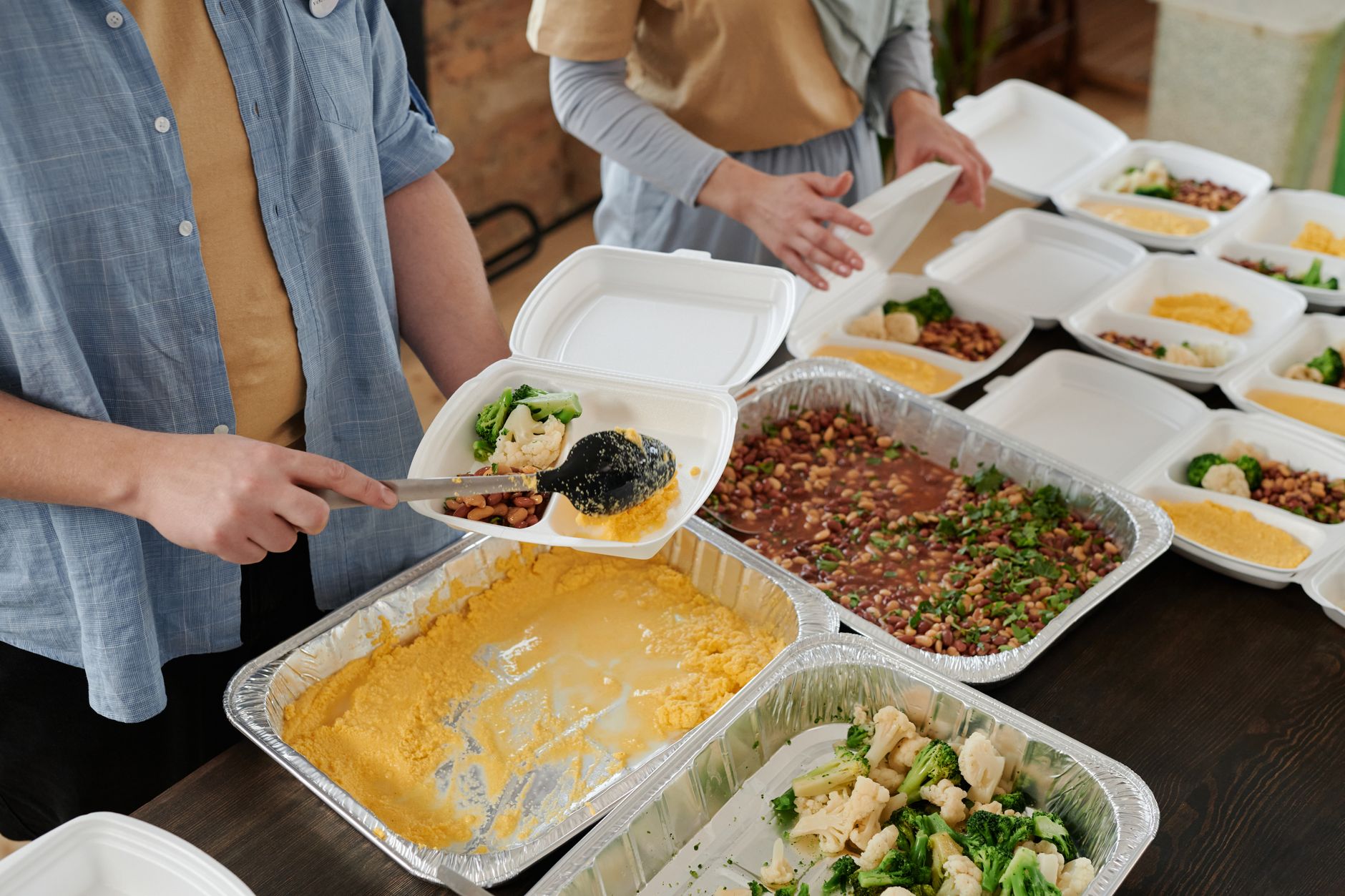
Factor meals have become increasingly popular as a convenient and nutritious option for individuals looking to simplify their meal prep. These pre-prepared meals offer a variety of flavors and dietary preferences, making healthy eating more accessible. However, it’s important to understand how long these meals last to ensure food safety and maintain their quality.
This article will explore how long Factor meals are good for, alongside essential tips on storage methods and safe reheating practices. By following the guidance provided, you can maximize the freshness and flavor of your Factor meals while minimizing food waste.
How Long Are Factor Meals Good For?
Factor meals are generally good for 7 to 10 days when stored properly in the refrigerator. However, specific meals may have differing expiration dates due to their ingredients. It is crucial to check the packaging for the best-by date as well as use your senses for any signs of spoilage.
Understanding Factor Meals
Factor meals are fully prepared meals delivered right to your doorstep. They cater to various dietary preferences, including keto, vegetarian, and calorie-conscious options. Knowing the shelf life of these meals helps you plan your week, ensuring you use meals before they spoil.
Components That Affect Shelf Life
The shelf life of Factor meals can vary based on several components, including:
- Ingredients: Meals with fresh vegetables, dairy, or seafood may spoil faster than those with grains or frozen ingredients.
- Preservatives: Meals that contain preservatives can potentially last longer than those without.
- Preparation Methods: Some cooking methods can affect the longevity of the meal. For instance, steamed vegetables may not last as long as roasted ones.
Storage Guidelines for Factor Meals
Proper storage is key to extending the freshness and safety of your Factor meals. Here are essential storage guidelines to follow:
Refrigeration
After receiving your Factor meals, it is recommended to refrigerate them immediately. The temperature of your refrigerator should be set to 40°F (4°C) or below. This helps inhibit bacterial growth and prolong the freshness of the meals.
Sealing
Ensure that your Factor meals are sealed tightly until you are ready to eat them. If you have opened a meal but did not finish it, store the leftovers in an airtight container before placing them back in the fridge. This prevents contamination and keeps the meal fresh.
Labeling
If you’re batch-cooking or repackaging, be sure to label each container with the date it was made or delivered. This practice not only helps keep track of freshness but also reduces the risk of eating spoiled food.
Signs of Spoilage
- Smell: Any off or foul odor is a sign that the meal has spoiled.
- Texture: Changes in texture, such as a slimy or mushy consistency, can indicate spoilage.
- Color: If the meal has developed unusual colors, such as brown spots on vegetables, it may be time to discard it.
Freezing Factor Meals
If you want to extend the shelf life of your Factor meals beyond the recommended refrigeration timeframe, you can consider freezing them. However, not all meals freeze well, so this method requires some thought.
Which Meals Can Be Frozen?
Generally, meals without dairy, sauces, or fresh vegetables are more suitable for freezing. Here are some examples:
- Casseroles
- Grains such as rice or quinoa
- Stews and soups
Freezing Guidelines
To freeze Factor meals, follow these guidelines:
- Make sure the meal is cooled down to room temperature before freezing.
- Portion the meal into individual servings, if desired.
- Use airtight, freezer-safe containers or heavy-duty freezer bags to prevent freezer burn.
- Label each container with the meal name and date.
Thawing and Reheating Frozen Meals
When it comes time to enjoy a frozen Factor meal, proper thawing is crucial:
- Thaw meals in the refrigerator overnight.
- For quicker thawing, you can use the microwave but ensure that the entire meal is heated evenly.
- Reheat the meal in the microwave or oven to an internal temperature of 165°F (74°C) for safe consumption.
Meal Planning with Factor Meals
Factor meals can simplify your meal planning, making it easier to eat healthily throughout the week. Here are some practical tips for effective meal planning:
Assessing Your Week
Start by assessing your schedule for the week. Identify busy days where meal prep would be challenging, and plan to use your Factor meals on those days. This strategy ensures that you are eating balanced meals even when life gets busy.
Diversifying Your Selection
To keep things interesting, vary your choice of meals throughout the week. Factor offers an extensive menu, so explore different cuisines and ingredients to prevent meal fatigue.
Combining with Fresh Ingredients
To enhance your Factor meals, consider adding fresh salads, steamed vegetables, or whole grains. This not only boosts nutrient intake but also adds variety to your meals.
Common Mistakes to Avoid with Factor Meals
While using Factor meals can be easy, there are still common pitfalls to watch out for:
Ignoring Expiry Dates
Always check the best-by date on the packaging. Eating meals past this date may pose health risks, even if they appear visually acceptable.
Improper Reheating
Failing to heat your meals to the correct temperature can lead to foodborne illness. Use a food thermometer to ensure that meals reach a safe 165°F (74°C).
Overloading Ingredients
Avoid adding too many fresh ingredients or sauces as this may change the flavor profile and alter the meal’s intended taste. Rather, stick to recommended pairings or modifications.
Using Leftovers Wisely
If you find yourself with extra food after a meal, consider various ways to repurpose leftovers:
Creative Reutilization
Turn leftover Factor meals into something new. For example:
- Transform leftover proteins into stir-fries or wraps.
- Use leftover grains in a hearty breakfast bowl.
- Make soups by adding broth to remaining vegetables and grains.
Freezing Leftovers
If you know you won’t consume leftovers quickly, freeze them to keep them fresh for longer. Make sure to store them properly using the freezing guidelines mentioned earlier.
Conclusion
Understanding how long Factor meals are good for and the best practices for storage can greatly enhance your meal experience. Remember to adhere to recommended refrigeration periods, recognize signs of spoilage, and use proper freezing techniques to maximize your meals. By planning and being mindful, you can enjoy a variety of delicious and nutritious meals throughout the week while minimizing food waste.
To further improve your cooking and meal prep skills, check out our guides on how long does cooked chicken last and how long is ground beef good for in the fridge. Each resource provides practical tips that can help you make the most of your ingredients.