
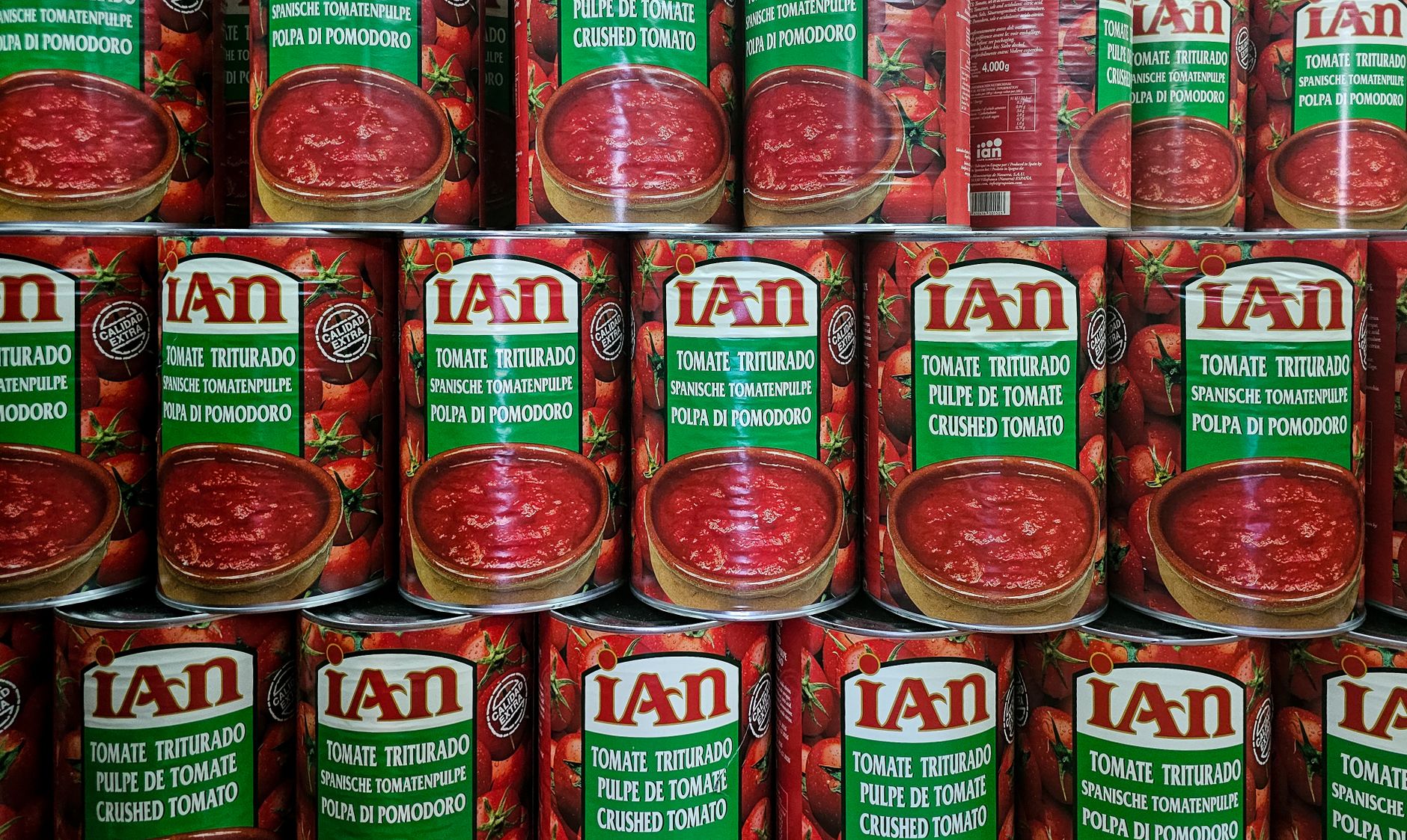
Canned tomatoes are a pantry staple for many home cooks, providing convenience and versatility for a range of recipes. But how long are they good for? Understanding their shelf life is essential for both safety and flavor. Here, we will explore the longevity of canned tomatoes, proper storage methods, and their nutritional benefits.
With an endless variety of uses—from sauces and soups to casseroles and stews—canned tomatoes are as practical as they are delicious. Let’s delve into how long they last, how to store them effectively, and why they deserve a spot in your kitchen.
How Long Are Canned Tomatoes Good For?
Canned tomatoes are generally safe to eat for 1 to 1.5 years past their “best by” date when unopened and stored appropriately. However, they can remain good for much longer if stored in ideal conditions, such as a cool, dark place. After opening, canned tomatoes should be used within five to seven days if stored in the refrigerator.
Understanding Canned Tomatoes
Canned tomatoes come in various forms: whole, diced, crushed, or pureed. The salt content and additional ingredients can influence their flavor and durability. When considering how long they last, it’s essential to recognize that while they might still be safe to consume after the “best by” date, their taste and texture may start to decline.
The Types of Canned Tomatoes
Here’s a brief overview of the common types of canned tomatoes:
- Whole Tomatoes: Often packed in juice or purees, great for sauces and salads.
- Diced Tomatoes: Convenient for soups, stews, or salsas and have a uniform size.
- Crushed Tomatoes: Ideal for sauces and pizzas, providing a smoother texture.
- Tomato Puree: Thick and rich, perfect for sauces that require a concentrated tomato flavor.
- Tomato Sauce: Usually seasoned, made for a quick pasta dish or as a base in recipes.
How to Store Canned Tomatoes
Storage plays a vital role in ensuring the optimal shelf life of your canned tomatoes. Proper storage can extend their usability and quality. Here’s how to effectively store canned tomatoes:
Before Opening
- Cool and Dry Place: Store unopened cans in a pantry or cupboard away from heat sources and directly sunlight. Ideal temperatures are between 50°F to 70°F (10°C to 21°C).
- Check for Damage: Before storage, always inspect the can for any dents, rust, or bulges. Damaged cans can compromise food safety.
- Rotate Stock: Adopt a first-in, first-out approach, using older cans before newer ones.
After Opening
- Transfer to an Airtight Container: Once opened, canned tomatoes should be transferred to a glass or plastic container with a tight-fitting lid. This prevents the tomatoes from absorbing other odors in the refrigerator.
- Refrigeration: Store the container in the fridge and consume within five to seven days for the best quality.
- Freezing for Longer Storage: If you can’t use the tomatoes within a week, freezing is an option. Place the tomatoes in freezer-safe containers, leaving room for expansion.
Signs of Spoilage in Canned Tomatoes
Even with proper storage, it’s essential to be vigilant about spoilage signs. Here are some critical indicators:
- Odor: If the tomatoes produce an off or sour smell, discard them.
- Appearance: Darkened color or any mold growth is a clear sign of spoilage.
- Texture: If the tomatoes have become extremely mushy or dry, their quality has likely deteriorated.
- Can Integrity: A bulging or leaking can is a signal that bacteria might be present; avoid consuming its contents.
Nutritional Benefits of Canned Tomatoes
Canned tomatoes are not only convenient but also nutritious. They provide several health benefits, making them a worthy addition to your meals. Here are some key nutritional aspects:
- Rich in Vitamins: Canned tomatoes are a good source of vitamin C, which supports the immune system and promotes skin health. They also contain vitamin K, which is crucial for bone health.
- Antioxidants: They are packed with lycopene, a powerful antioxidant that has been linked to several health benefits, including reduced risk of heart disease and cancer.
- Low in Calories: Tomatoes are naturally low in calories, making them a healthy choice for various diets.
- Fiber: They provide dietary fiber, important for digestive health.
Common Uses for Canned Tomatoes
The versatility of canned tomatoes is impressive. They can enhance flavor and nutrition in many dishes. Here are a few popular uses:
Soups and Stews
Canned tomatoes serve as a rich base for soups and stews. Their acidity adds depth and flavor, creating a satisfying meal. To enhance their taste, consider adding herbs, spices, and additional vegetables.
Sauces
Whether it be marinara, pizza sauce, or a base for a hearty casserole, canned tomatoes are often the star ingredient. Pair with garlic, onion, and spices to elevate your sauce.
Salads
Inclusion of canned tomatoes in salads adds a juicy burst of flavor. Try mixing them with beans, corn, and herbs for a delicious fresh salad.
Risotto and Pasta Dishes
Incorporating canned tomatoes into risotto or pasta dishes adds moisture and flavor. They can seamlessly blend into the dish, creating a delightful experience.
Stuffed Vegetables
Canned tomatoes can be used as a filling for stuffed peppers or zucchini boats. The tomatoes combine well with grains, meats, and spices.
Practical Tips When Cooking with Canned Tomatoes
While incorporating canned tomatoes into your cooking, keep these practical tips in mind:
- Rinse for Less Sodium: If you’re concerned about sodium, rinse diced tomatoes before use to reduce their sodium content.
- Mix Varieties: Combining different types of canned tomatoes can add texture and flavor complexity. For example, blend crushed tomatoes with whole tomatoes for depth in a sauce.
- Use Seasoning Wisely: Since canned tomatoes might be seasoned, adjust your additional seasoning accordingly to avoid overpowering the dish.
Common Mistakes with Canned Tomatoes
Here are some common pitfalls to avoid when using canned tomatoes:
- Ignoring Expiration Dates: While canned tomatoes can last beyond their “best by” date, it’s crucial to check them for spoilage before use.
- Using Directly from the Can: Consuming tomatoes directly from the can after opening can expose you to a metallic taste. Transfer them to a different container for storage and consumption.
- Overlooking Flavor Balance: Forgetting to balance acidity with sweetness can lead to an unbalanced flavor. Incorporate sugar or other sweet elements to tone down acidity when necessary.
Creative Recipes Using Canned Tomatoes
Canned tomatoes can enhance your cooking through various recipes. Here are a couple of straightforward ideas:
Simple Tomato Sauce
This basic tomato sauce is perfect for pasta, pizzas, or as a base for many dishes.
- Ingredients:
- 1 can (28 ounces) crushed tomatoes
- 2 tablespoons olive oil
- 1 onion, chopped
- 3 cloves garlic, minced
- 1 teaspoon dried oregano
- 1 teaspoon dried basil
- Salt and pepper to taste
- Instructions:
- In a saucepan, heat the olive oil over medium heat. Add the chopped onion and garlic, sautéing until softened, around 5 minutes.
- Add the crushed tomatoes, oregano, and basil. Season with salt and pepper.
- Simmer for 20-30 minutes for the flavors to meld, stirring occasionally. Adjust seasoning as necessary.
Tomato and Bean Chili
This hearty chili combines canned tomatoes and beans, perfect for a comforting meal.
- Ingredients:
- 1 can (28 ounces) diced tomatoes
- 1 can (15 ounces) red kidney beans, drained and rinsed
- 1 can (15 ounces) black beans, drained and rinsed
- 1 bell pepper, chopped
- 1 onion, chopped
- 3 cloves garlic, minced
- 2 tablespoons chili powder
- 1 teaspoon cumin
- Salt and pepper to taste
- Instructions:
- In a large pot, sauté the onion, garlic, and bell pepper over medium heat until soft.
- Add the diced tomatoes, beans, chili powder, and cumin. Stir to combine.
- Bring to a boil, then lower the heat and let the chili simmer for 30 minutes.
- Season with salt and pepper before serving.
Conclusion
Properly stored canned tomatoes can last well beyond their best-by dates and are a brilliant way to add flavor and nutrition to your cooking. Regularly check your pantry and ensure you use them before spoilage occurs. By incorporating canned tomatoes into your meals, you’ll enjoy their convenience while creating delicious dishes that satisfy.
For more delicious ideas, check out our links for a homemade tomato juice recipe or learn how to make a flavorful tomato gravy to accompany your dishes.