
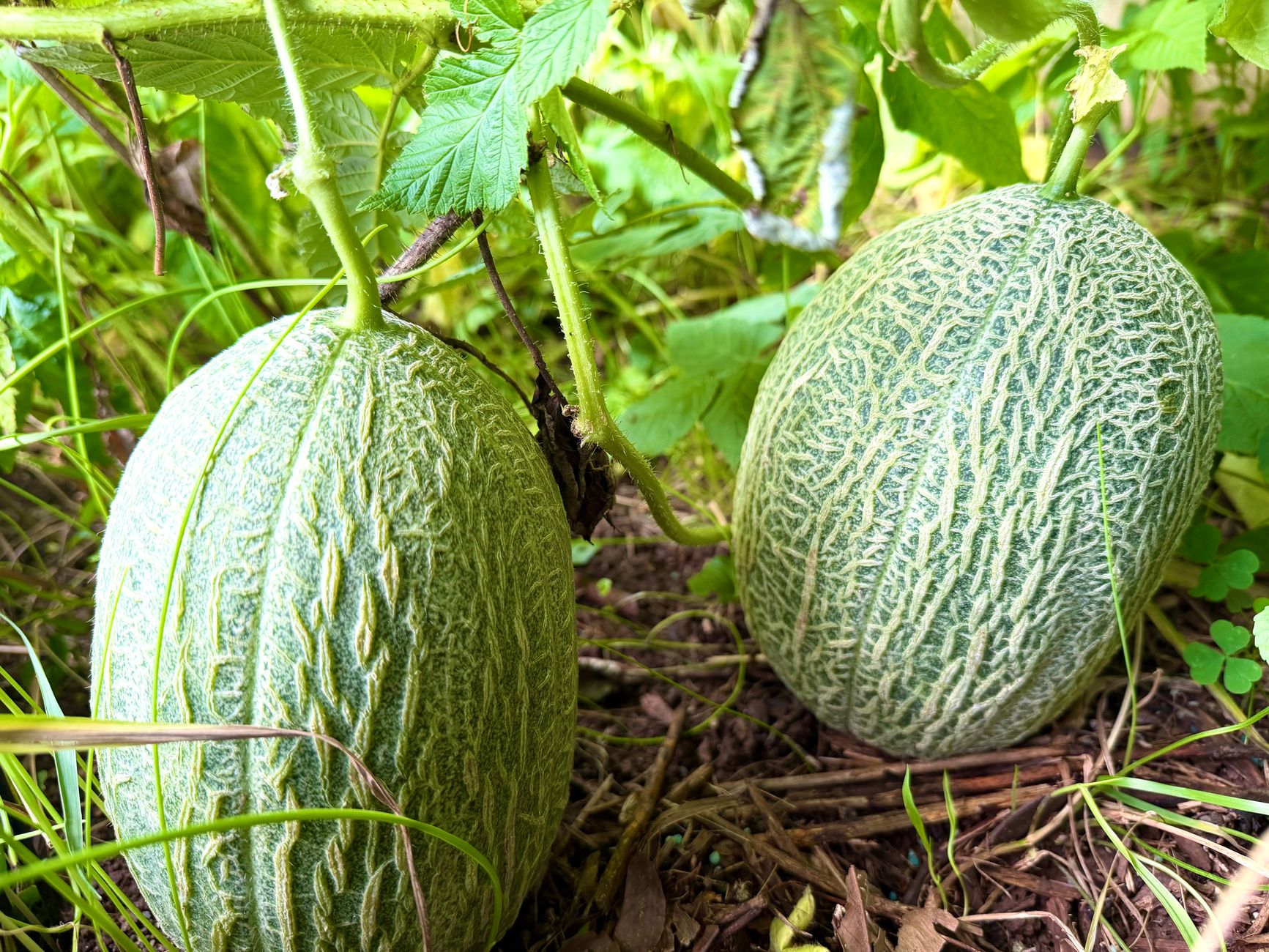
Cantaloupe, also known as muskmelon, is a beloved summer fruit known for its sweet and juicy flesh. However, if you’ve ever been disappointed by a bland or hard cantaloupe, you may be wondering how to select a perfectly ripe one. Identifying a ripe cantaloupe requires some specific observations in terms of color, texture, and aroma.
This guide will not only answer the question of how to tell if a cantaloupe is ripe but also explore storage tips, handling advice, and ways to enjoy this delicious fruit. By understanding the right indicators of ripeness, you’ll ensure that your cantaloupe is as delicious as it should be.
How Do You Tell If A Cantaloupe Is Ripe?
To determine if a cantaloupe is ripe, look for a few key indicators: the color of the skin should be a golden yellow, the stem end should yield slightly to pressure, and the fruit should emit a sweet, fragrant aroma. If you can check these features, you’re likely to select a delicious cantaloupe.
Key Indicators of Ripeness
Identifying a ripe cantaloupe involves looking at specific characteristics that indicate maturity. Here are the primary signs to help you choose the best one.
1. Size and Shape
The first characteristic to observe is the size and shape of the cantaloupe. A ripe cantaloupe is generally round and heavy for its size. A larger fruit may seem appealing, but it is crucial to ensure it feels hefty and full of water, indicating juiciness.
2. Skin Color
A ripe cantaloupe has a color that ranges from greenish to gold. This color change occurs as the fruit ripens, particularly noticeable on its exterior. A fully ripe cantaloupe typically shows a creamy yellow or golden tint on the side that was facing the ground. Avoid cantaloupes that appear overly green, as this indicates under-ripeness.
3. Texture of the Rind
The rind of the cantaloupe becomes netted and slightly rough when it ripens. A smooth, shiny skin means it is not yet ripe. Opt for cantaloupes with a well-defined netting; it signifies a good sugar content and ripeness.
4. Stem End
Gently pressing the stem end of the cantaloupe can be another useful test for ripeness. If it yields slightly under pressure, the fruit is likely ripe. If it is hard and doesn’t give at all, it may still be too firm and not yet ready for eating.
5. Aroma
One of the most pleasant ways to check for ripeness is by sniffing the fruit. A ripe cantaloupe should give off a sweet, aromatic fragrance, especially around the stem area. If there is little to no aroma or a musty smell, it may not be ripe or could be overripe.
6. Sound Test
Performing a sound test can also be a fun way to examine ripeness. Gently tap the cantaloupe; a ripe cantaloupe will produce a deep, hollow sound, while unripe or overripe cantaloupes may produce a dull sound.
What to Avoid When Choosing a Cantaloupe
While focusing on selecting a ripe cantaloupe, there are also several aspects that indicate a fruit is not suitable for purchase.
- Soft Spots: Avoid any cantaloupe with soft spots or bruises, as these could indicate internal spoilage.
- Wrinkled Skin: If the skin appears extremely wrinkled or dried out, this can signal that the fruit is overripe.
- Green Spot: A green spot on the underside can suggest that the cantaloupe was picked too early.
- Odor: An off-putting or fermented smell can indicate that the cantaloupe is past its prime.
Storage Tips for Cantaloupe
Once you have selected a ripe cantaloupe, storing it properly is essential to maintain its quality and flavor. Here are some tips to consider:
1. Avoid Refrigeration
Storing a whole, uncut cantaloupe at room temperature will continue the ripening process and heighten flavor. Avoid refrigeration at this stage, as cold temperatures can hinder sweetness and affect texture.
2. Cut Cantaloupe Storage
Once cut, cantaloupe should be stored in the refrigerator. Place the melon pieces in an airtight container to prevent contamination and drying. It is best consumed within five days of cutting but can last up to a week.
3. Freezing Cantaloupe
If you find yourself with an excess of ripe cantaloupe, consider freezing it. Cut into cubes and spread the pieces on a baking sheet. Once frozen solid, transfer them to a freezer bag. Frozen cantaloupe can be used for smoothies or desserts, though the texture may change once defrosted.
Using Ripe Cantaloupe
Cantaloupe is a versatile fruit with many culinary applications. Here are some ways to enjoy your perfectly ripe cantaloupe:
1. Fresh Slices
Nothing beats the simplicity of fresh slices of cantaloupe served as a snack or dessert. Pairing it with prosciutto offers a delightful balance of sweet and salty.
2. Salads
Add diced cantaloupe to salads for a refreshing twist. It combines well with greens, feta cheese, and a light vinaigrette.
3. Smoothies
Cantaloupe can be blended into smoothies for a hydrating drink bursting with flavor. Combine it with yogurt, spinach, or banana for a nutritious option.
4. Sorbet
Puree ripe cantaloupe and freeze it to create a simple sorbet. This refreshing treat is ideal for hot summer days.
5. Salsas
Mix diced cantaloupe with jalapeños, cilantro, and lime juice for a delightful salsa that pairs wonderfully with grilled meats.
Common Mistakes When Choosing Cantaloupe
When selecting cantaloupe, mistakes can lead to unfortunate outcomes. Here are a few common blunders to avoid:
- Relying Solely on Color: While color is essential, it should not be the only factor. Always check texture, aroma, and firmness.
- Ignoring Smell: Don’t overlook the importance of sniffing the cantaloupe. A strong aroma indicates ripeness.
- Purchasing Without Testing: Do not hesitate to feel the fruit; pressing gently on the stem end can save you from picking an unripe melon.
- Skipping the Whole Melon: If possible, opt for whole cantaloupes rather than pre-cut pieces, as they tend to last longer and retain their flavor.
Conclusion
Knowing how to tell if a cantaloupe is ripe ensures that you’ll enjoy the best flavor and texture. Look for key indicators such as skin color, aroma, and texture to make a confident choice. Proper storage can enhance your cantaloupe experience, and using the fruit in creative ways adds versatility to your meals.
For anyone uncertain in their cantaloupe selection or seeking new ways to use this fruit, these guidelines provide useful insights and practical applications. For further inspirations, explore more fruit selection tips, nutritional guidance, and delicious recipes for using different ingredients.