
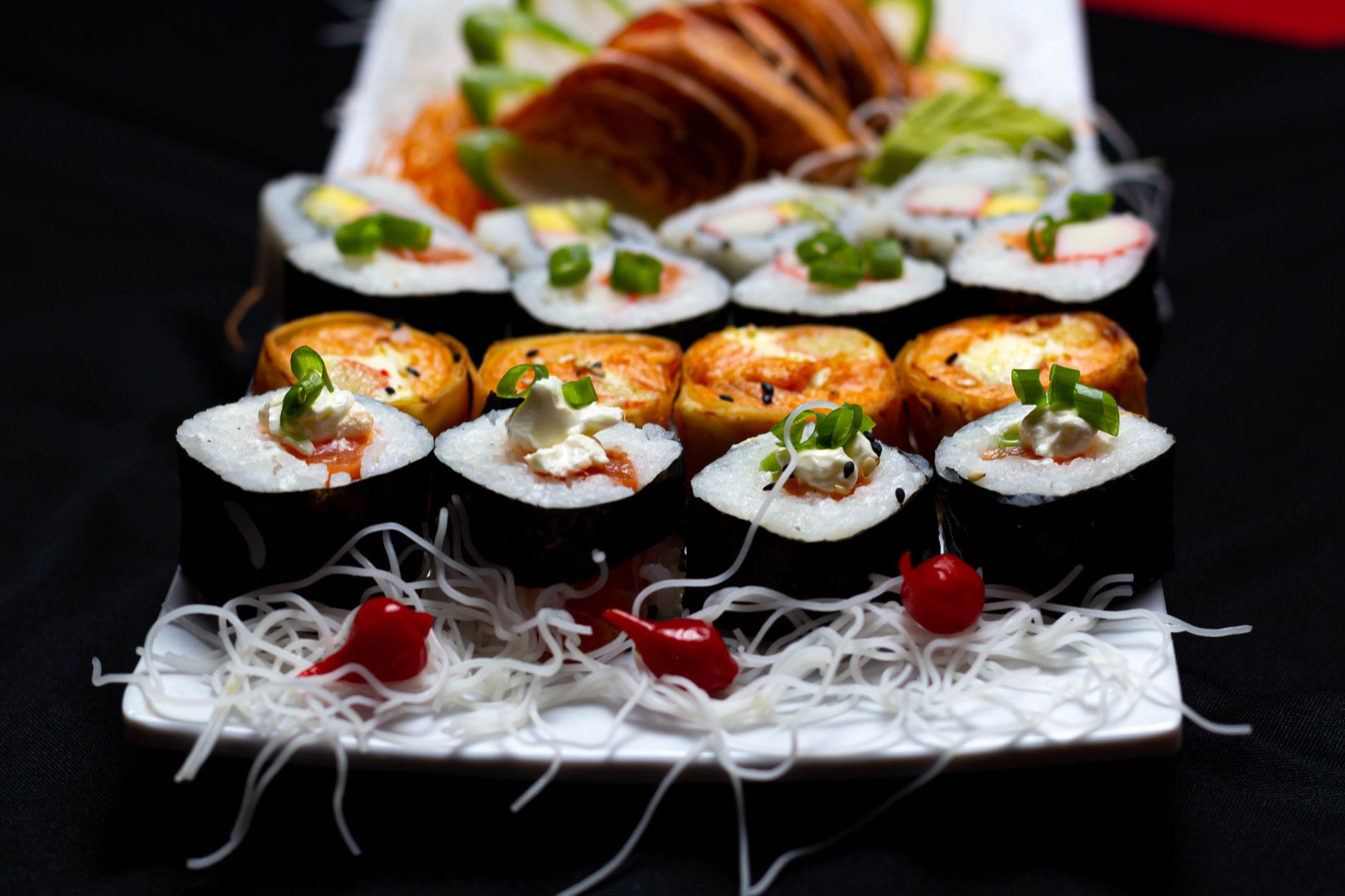
Rolling food is not just an act; it’s an art form that can transform ordinary ingredients into delightful bites. From spring rolls to burritos, different cultures have their own ways of wrapping up flavors and textures in a convenient, handheld package. In this article, we’ll explore various rolling techniques, common ingredients, and serving ideas that cater to diverse palates.
Understanding how to roll can enhance your culinary skills, allowing you to create dishes that are versatile and appealing. Whether you’re planning a special meal or just want to spice up your everyday cooking, mastering the roll opens up a world of possibilities.
How Do You Roll?
To roll food effectively, it generally involves wrapping or enclosing ingredients in a specific type of wrapper, like dough or leaves, while ensuring they are secure and maintain their shape during cooking or serving. Common rolling methods include folding, tucking, and rolling the ingredients tightly. The way you roll can affect the texture, flavor, and even cooking time of the dish.
The Basics of Rolling: Types of Wraps
Various types of wraps are used in rolling food, each providing unique flavors and textures. Here’s a closer look at some popular options:
- Rice Paper: Often used for fresh or fried spring rolls, rice paper is delicate and usually requires brief soaking in water before use.
- Wonton Wrappers: Thin sheets made from wheat flour, great for making dumplings or fried appetizers.
- Tortillas: Soft or hard varieties of tortillas are essential for burritos, wraps, and quesadillas. They can be made from flour or corn.
- Crepes: Thin pancakes that work beautifully for both sweet and savory fillings, ideal for dishes like crepes Suzette or savory galettes.
- Phyllo Dough: A flaky pastry used in many Mediterranean dishes, which can create layered rolls like spanakopita.
- Banana Leaves: Common in Southeast Asian cuisine, they provide a unique flavor when used to wrap foods for steaming or grilling.
Key Ingredients for Rolling
The key to a delicious rolled dish lies in the right combination of ingredients. Here are common components used in rotis, rolls, and wraps as well as some suggested combinations:
Proteins
- Meats: Chicken, beef, pork, and fish are popular choices.
- Vegetarian options: Firm tofu, tempeh, legumes, and seitan work well as protein alternatives.
Vegetables
- Crunchy: Cabbage, carrots, bell peppers, and cucumbers add crunch and freshness.
- Cooked: Sautéed mushrooms, roasted bell peppers, and spinach can add depth to the flavor.
Spreads and Sauces
- Hummus: A creamy base for Mediterranean wraps.
- Sriracha or hot sauce: Adding a spicy kick.
- Peanut sauce: A popular choice for Thai spring rolls.
Herbs and Garnishes
- Fresh herbs: Cilantro, mint, and basil enhance freshness and aroma.
- Seeds: Sesame or pumpkin seeds can add nuttiness and texture.
The Rolling Techniques
Perfecting your rolling technique is key to ensuring your ingredients stay put and your final product looks appealing. Here are some straightforward steps for various types of rolls:
Spring Rolls (Rice Paper)
- Soften a rice paper wrapper in warm water for about 10 seconds, ensuring it is flexible but not too soft.
- Place the softened wrapper on a clean, damp surface.
- Layer your ingredients horizontally in the center, starting with protein, then vegetables, and finally herbs.
- Fold the bottom edge of the wrapper up over the filling, then fold in the sides while rolling tightly away from you.
- Seal the edge with a bit of water if needed.
Burritos (Tortillas)
- Warm the tortilla in a dry skillet or microwave to make it more pliable.
- Place your filling in a line across the center of the tortilla.
- Fold the sides in and then roll the tortilla tightly from the bottom up.
- Ensure the ends are tucked in as you roll to create a sealed wrap.
Dumplings (Wonton Wrappers)
- Place a small amount of filling in the center of a wonton wrapper.
- Dampen the edges of the wrapper with water to help seal it.
- Fold the wrapper in half to form a triangle, pressing out excess air as you seal it.
- You can also twist or shape the dumpling into different forms for a decorative touch.
Crepes
- Prepare your crepes (see a separate crepe recipe if needed).
- Place your desired filling in the center of the crepe.
- Fold the top and bottom edges inward, then roll from one side to the other.
Storage and Make-Ahead Rolling Tips
Rolling can be a bit time-consuming, so planning ahead can make your cooking more efficient. Here are some tips for storing rolled foods:
- Store uncut rolls wrapped in plastic wrap or wax paper to maintain moisture.
- Keep rolls chilled in the refrigerator to maintain their texture, especially if they contain fresh vegetables.
- If making dumplings, freeze after shaping but before cooking; they can be cooked directly from frozen.
Reheating Tips
When it’s time to enjoy your rolled dishes, consider these reheating options:
- Steam dumplings on low heat until warmed through.
- Heat burritos in an oven wrapped in aluminum foil to avoid a chewy exterior.
- Fry spring rolls in hot oil for a crispy texture.
Serving Ideas for Your Rolled Creations
Once you’ve perfected your rolls, consider how to serve them for maximum appeal. Here are some ideas:
Pairing Dips and Sauces
- Spring Rolls: Serve with peanut sauce, soy sauce, or sweet chili sauce.
- Burritos: Accompany with salsa, guacamole, or sour cream.
- Dumplings: A side of soy sauce mixed with rice vinegar and chili oil works perfectly.
Complementing Sides
- Offer a salad, such as cucumber salad for spring rolls or a fresh green salad for burritos.
- Include a soup as an appetizer, complementing dumplings with hot and sour soup.
Common Mistakes and Troubleshooting
Even experienced cooks can run into challenges when rolling. Here are some common pitfalls and how to avoid them:
- Wrapper cracks? Make sure not to over-soak rice paper or overheat tortillas.
- Filling spills out? Ensure your fillings are not overly wet and avoid overstuffing your rolls.
- Unsealed edges? Use enough moisture around the edges of your wrappers to make a secure seal.
Creative Variations and Substitutions
Exploring different ingredients and techniques can yield delicious and unique rolling options. Here are some ideas for substitutions:
For Tortillas:
- Flour: Use corn tortillas for a gluten-free option or whole wheat for extra nutrition.
- Filled burritos: Experiment with quinoa instead of rice or swap out meats for roasted vegetables.
For Spring Rolls:
- Rice paper: Try using collard greens or large lettuce leaves for a low-carb alternative.
- Fillings: Get creative with fruits like mango or pineapple, mixed with shrimp for a tropical touch.
For Dumplings:
- Wonton wrappers: Use gyoza wrappers or make your own dough from scratch for a custom touch.
- Fillings: Try incorporating different spices or herbs for a flavor twist, such as curry powder or fresh ginger.
Conclusion
Rolling is an essential culinary technique that can turn a simple gathering into a vibrant food experience. By mastering various rolling methods and exploring global wraps, you can engage your creativity and elevate your meals. So, gather your ingredients, practice your techniques, and discover the joy of rolling delicious flavors into neat, satisfying packages.
For more exciting ideas and recipes on rolling delicious bites, check out these pork egg roll and shrimp egg roll recipes. Happy rolling!