
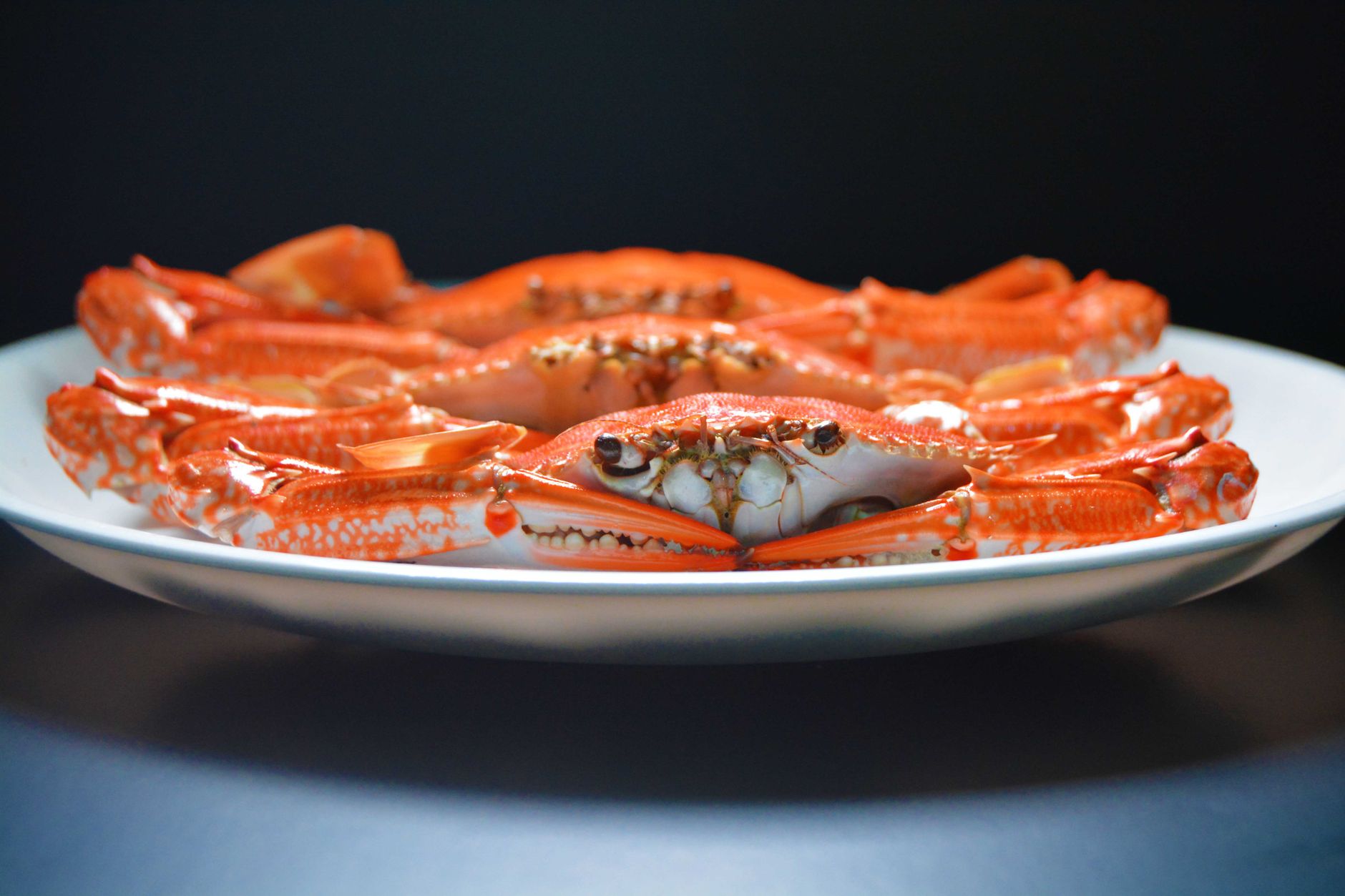
Crab legs are a delicious seafood treat that can turn any meal into a special occasion. Whether you are enjoying a decadent meal at a restaurant or treating yourself to a home cookout, reheating crab legs poses a challenge that can affect their flavor and texture. Proper reheating techniques can help restore their sweet, succulent flavors while maintaining the tender texture.
This guide will explore various methods to reheat crab legs effectively, including preparation tips, timing, serving suggestions, and troubleshooting common issues that may arise during the reheating process. Let’s dive into the best ways to enjoy your leftover crab legs!
How Do You Reheat Crab Legs?
Reheating crab legs can be done using several methods, including steaming, baking, boiling, and microwaving. Each method allows you to warm the crab legs while keeping their flavor and texture intact. The key is to ensure that the meat reaches a safe and enjoyable temperature without becoming overcooked or rubbery.
Preparation Tips for Reheating Crab Legs
Before you start reheating your crab legs, consider these preparation steps to enhance the overall experience:
- Thaw Properly: If your crab legs are frozen, make sure to thaw them in the refrigerator overnight. If you’re in a hurry, place them in a sealed plastic bag and submerge them in cold water for about 30 minutes.
- Keep Shells Intact: When reheating, keep the shells on to preserve moisture and flavor. This will help prevent the meat from drying out.
- Have Butter Ready: Prepare melted butter or any dipping sauces you enjoy beforehand. This will complement your heated crab legs perfectly.
Methods to Reheat Crab Legs
There are four main methods to reheat crab legs: steaming, baking, boiling, and microwaving. Each has its pros and cons, allowing you to choose based on your available time and equipment.
1. Steaming Crab Legs
Steaming is often considered the best method to reheat crab legs, as it gently warms them while preserving their original moisture and flavor.
Equipment Needed:
- Large pot with a lid
- Steamer basket or colander
- Water
Instructions:
- Fill a large pot with about 1 to 2 inches of water and bring it to a boil.
- Place the steamer basket or colander above the boiling water, ensuring it does not touch the water level.
- Add the crab legs to the basket, making sure they are not overcrowded.
- Cover the pot and steam the crab legs for 5 to 7 minutes until heated through.
- Carefully remove the crab legs from the steamer basket and serve with melted butter.
2. Baking Crab Legs
Baking is a straightforward method that requires minimal hands-on time and results in evenly warm crab legs.
Equipment Needed:
- Baking sheet
- Aluminum foil
Instructions:
- Preheat your oven to 350°F (175°C).
- Line a baking sheet with aluminum foil to prevent sticking.
- Arrange the crab legs on the sheet and cover them loosely with more foil to keep moisture in.
- Bake for about 10 to 15 minutes, or until heated through.
- Remove from the oven and serve hot.
3. Boiling Crab Legs
Boiling is a fast method to reheat crab legs, but it requires careful timing to avoid overcooking.
Equipment Needed:
- Large pot
- Water
Instructions:
- Fill a large pot with water and bring it to a rolling boil.
- Gently add the crab legs to the pot.
- Boil for about 5 minutes. Avoid boiling too long, as it may lead to tough meat.
- Remove the crab legs using tongs and let them drain before serving.
4. Microwaving Crab Legs
While microwaving is the quickest method, it can lead to uneven heating and dryness if not done carefully.
Equipment Needed:
- Microwave-safe dish with lid
- Water
Instructions:
- Place the crab legs in a microwave-safe dish and sprinkle a little water over them to create steam.
- Cover the dish with a microwave-safe lid or plastic wrap allowing for some ventilation.
- Microwave on medium power for 2 to 4 minutes, checking and turning the crab legs halfway through.
- Remove and serve immediately.
Timing Considerations
Timing is crucial in reheating crab legs to ensure they do not become rubbery. Here’s a quick reference for reheating times based on methods:
| Reheat Method | Time |
|---|---|
| Steaming | 5 to 7 minutes |
| Baking | 10 to 15 minutes |
| Boiling | 5 minutes |
| Microwaving | 2 to 4 minutes |
Serving Suggestions
Once your crab legs are reheated, it’s time to serve them! Here are some delightful serving suggestions:
- Pair with melted garlic butter for dipping.
- Serve with lemon wedges to enhance the flavor.
- For a festive touch, offer a side of drawn butter and cocktail sauce.
- Consider serving alongside a fresh salad or coleslaw for a balanced meal.
Common Mistakes to Avoid
While reheating crab legs seems straightforward, there are a few common pitfalls to avoid to ensure the best results:
- Overcooking: Crab legs should be heated just enough to warm through. Overcooked meat becomes tough and rubbery.
- Not Adding Moisture: Dry heating methods can lead to dry crab meat. Always include water during steaming or cover the legs when microwaving or baking.
- Skipping Thawing: Make sure your frozen crab is completely thawed before reheating for even warmth.
Storage and Safety Tips
Proper storage of crab legs after cooking is essential to prevent spoilage:
- Refrigerate cooked crab legs within two hours of cooking.
- Store in an airtight container; they can last for up to three days in the refrigerator.
- For longer storage, consider freezing crab legs, which can last up to six months if properly sealed.
Final Remarks on Reheating Crab Legs
Reheating crab legs doesn’t have to be a daunting task. By using the methods outlined above, you can enjoy delicious crab legs that taste just as good, if not better, than when they were freshly cooked. Always keep an eye on timing and incorporate moisture during the reheating process.
As a next step, prepare some melted butter and lemon wedges to elevate your reheated crab legs. Whether you select steaming, baking, boiling, or microwaving, you are sure to savor every bite of this delightful seafood dish.
If you’re interested in learning more about different seafood flavors, consider checking out our guide on what crab tastes like, or explore our simple recipe for broiled lobster tail for your next feast.