
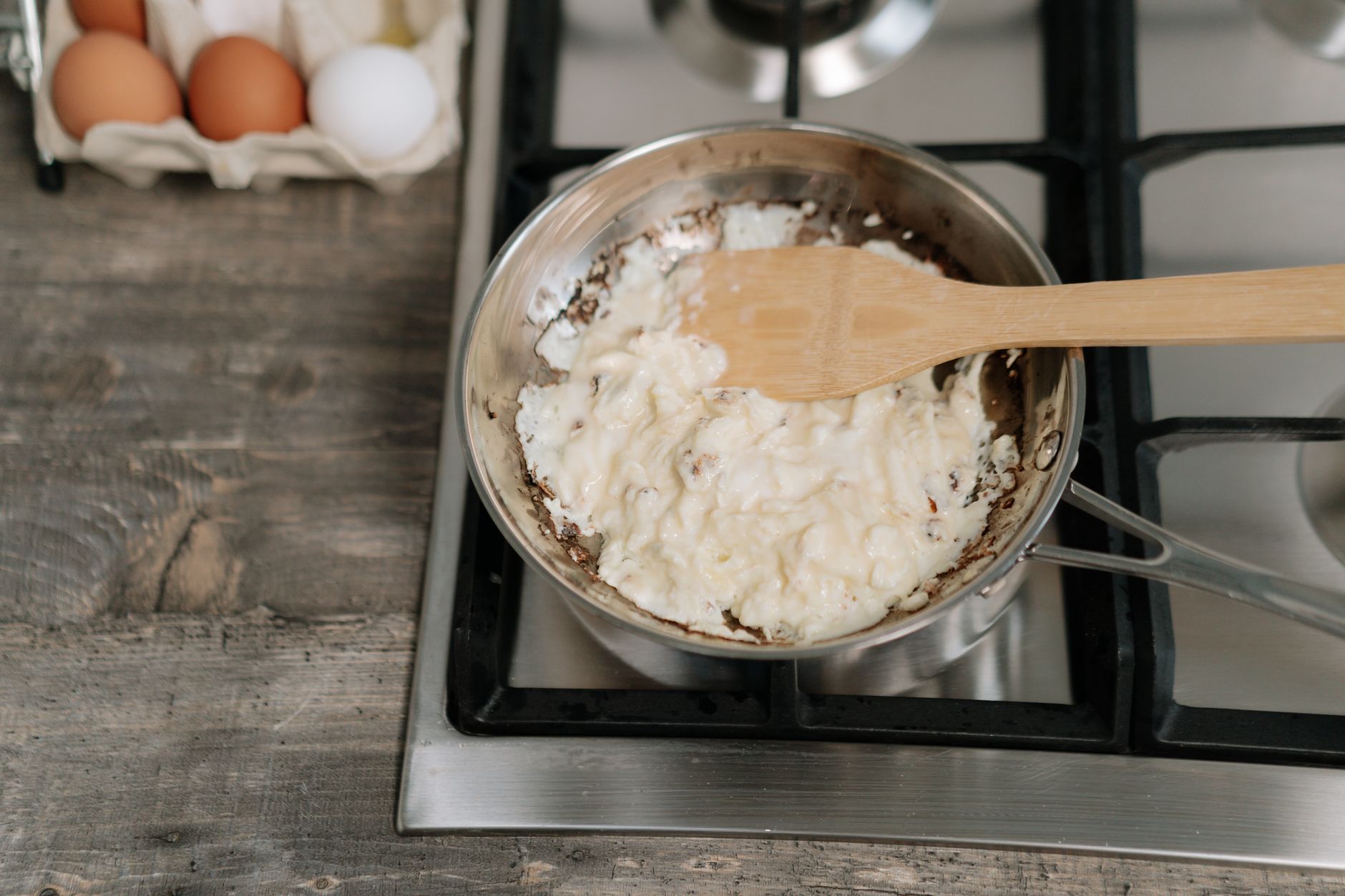
Scrambled eggs can be a simple yet delightful dish, transforming ordinary mornings into something special. The key to achieving perfectly fluffy scrambled eggs lies in technique and a few tricks that elevate their texture and flavor.
In this guide, you’ll learn how to make scrambled eggs fluffy, including the right ingredients, ideal cooking methods, and useful tips for perfecting this classic breakfast staple.
How Do You Make Scrambled Eggs Fluffy?
To make scrambled eggs fluffy, incorporate air into the egg mixture while cooking them slowly over low heat. Key techniques include whisking the eggs well, adding milk or cream for creaminess, and using low heat to ensure even cooking without drying out the eggs.
Ingredients for Fluffy Scrambled Eggs
Before diving into the cooking process, gather your ingredients. Here’s what you’ll need for approximately four servings of fluffy scrambled eggs:
- 8 large eggs
- 1/4 cup milk or heavy cream
- 1/2 teaspoon salt
- 1/4 teaspoon black pepper
- 2 tablespoons unsalted butter
- Chopped chives or parsley (optional, for garnish)
Essential Equipment
Equip your kitchen with these tools:
- A medium-sized mixing bowl
- A whisk or fork for beating eggs
- A non-stick skillet or frying pan
- A spatula (preferably silicone or rubber)
- A heat-resistant measuring cup (if using milk or cream)
Step-by-Step Method for Fluffy Scrambled Eggs
Now that you’re ready with the ingredients and equipment, follow these steps to achieve fluffy scrambled eggs:
- Prepare the eggs: In a medium bowl, crack the eggs and add the milk or cream, salt, and pepper. The milk or cream helps to make the eggs creamy and adds richness.
- Whisk thoroughly: Use a whisk or fork to beat the egg mixture until it’s well combined. The more air you incorporate during whisking, the fluffier your scrambled eggs will become. Aim for a homogenous mixture with a light, frothy texture.
- Preheat the pan: Place your non-stick skillet on low heat and add the butter, allowing it to melt gently. Be careful not to let the butter brown, as it can impart a burned flavor to your eggs.
- Cook the eggs: Pour the whisked eggs into the skillet. Allow them to sit undisturbed for a few moments while the bottom starts to set. This should take about 30 seconds to 1 minute.
- Slowly stir: Using a spatula, gently stir the eggs, moving them from the edges toward the center. This method helps create curds and allows the uncooked eggs to flow to the pan’s hot surface.
- Continue cooking: Maintain low heat throughout the cooking process, continuously stirring and folding the eggs gently to create soft curds. Cook until they are just set but still creamy, about 3 to 5 minutes total.
- Add herbs (optional): If you like, toss in some chopped chives or parsley for added freshness and color, and stir them in just before the eggs finish cooking.
- Serve immediately: Remove the pan from the heat and plate the fluffy scrambled eggs right away. They can continue to cook if left in the hot pan, so serving promptly keeps their texture creamy and fluffy.
Tips for Perfectly Fluffy Scrambled Eggs
Here are some helpful tips to ensure your scrambled eggs are as fluffy as they can be:
- Use fresh eggs: Fresh eggs tend to behave better during cooking, providing a better texture and flavor.
- Whisking matters: Whisking eggs well before cooking introduces air, making the final result lighter and fluffier.
- Consider the liquid: While milk is common, adding a touch of heavy cream can yield even creamier results, but be mindful of the volume to keep the eggs fluffy.
- Cook low and slow: High heat can lead to dry, rubbery eggs. Cooking over low heat allows for gradual cooking, enhancing creaminess.
- Don’t overcook: Fluffy scrambled eggs should be slightly undercooked when removed from the heat to avoid dryness; they can continue to cook from residual heat.
Common Mistakes and Troubleshooting
Even experienced cooks can face challenges when preparing scrambled eggs. Here are some common mistakes and how to avoid or troubleshoot them:
- Over-whisking: While incorporating air is necessary, over-whisking can lead to a watery mixture. Stop whisking once the eggs are uniform.
- Using too high heat: Cooking at high heat leads to rubbery eggs that lack fluffiness. Always stick to low heat.
- Not enough fat: Insufficient butter can make eggs stick to the pan and lose creaminess, so don’t be shy about adding the recommended amount.
- Cooking too long: Overcooked eggs will become dry and rubbery; always remove them when they’re still soft and creamy.
Variations on Fluffy Scrambled Eggs
While traditional fluffy scrambled eggs are delightful on their own, many variations exist that can add exciting flavors and textures. Here are some ideas:
- Cheesy scrambled eggs: Stir in your favorite cheese, such as cheddar, feta, or goat cheese, just before serving for a rich and tangy addition.
- Vegetable-packed version: Sauté onions, bell peppers, or spinach in the skillet before adding the eggs for a nutritious twist.
- Spicy scrambled eggs: Add a few dashes of hot sauce or mix in chopped fresh chili for a kick of heat.
- Herb variations: Besides chives or parsley, experiment with fresh dill, basil, or cilantro for different flavor profiles.
Serving Suggestions for Fluffy Scrambled Eggs
Fluffy scrambled eggs can be enjoyed in numerous ways. Here are some serving suggestions:
- On toast: Serve the eggs on toasted bread for a satisfying breakfast that adds a crunchy texture.
- With smoked salmon: The richness of scrambled eggs pairs beautifully with smoked salmon, perfect for a brunch-style meal.
- In a breakfast burrito: Wrap scrambled eggs with salsa, avocado, and other fillings in a tortilla for a delicious breakfast on the go.
- With avocado: Top fluffy scrambled eggs with slices of avocado for a creamy, healthy addition.
Make-Ahead and Storage Tips
If you’re planning ahead, here are some tips for make-ahead scrambled eggs and storage:
- Prep the egg mixture: You can whisk the eggs, milk, salt, and pepper together the night before and store it in the fridge until you’re ready to cook.
- Reheating: If you have leftovers, reheat the scrambled eggs gently in a non-stick skillet over low heat, stirring occasionally. Avoid microwaving, as this can lead to a rubbery texture.
- Storage: Store cooked scrambled eggs in an airtight container in the refrigerator for up to 3 days. Reheat thoroughly before consuming.
Conclusion
Making fluffy scrambled eggs is a skill that enhances your breakfast repertoire. With the right technique, ingredients, and attention to detail, you can produce a dish that is creamy, light, and full of flavor. Whether you’re enjoying them on their own or incorporating them into a larger meal, fluffy scrambled eggs are a delicious way to start your day. For more tips on related topics, consider exploring how many calories are in 2 scrambled eggs or try the mayak eggs recipe for another tasty treat.