
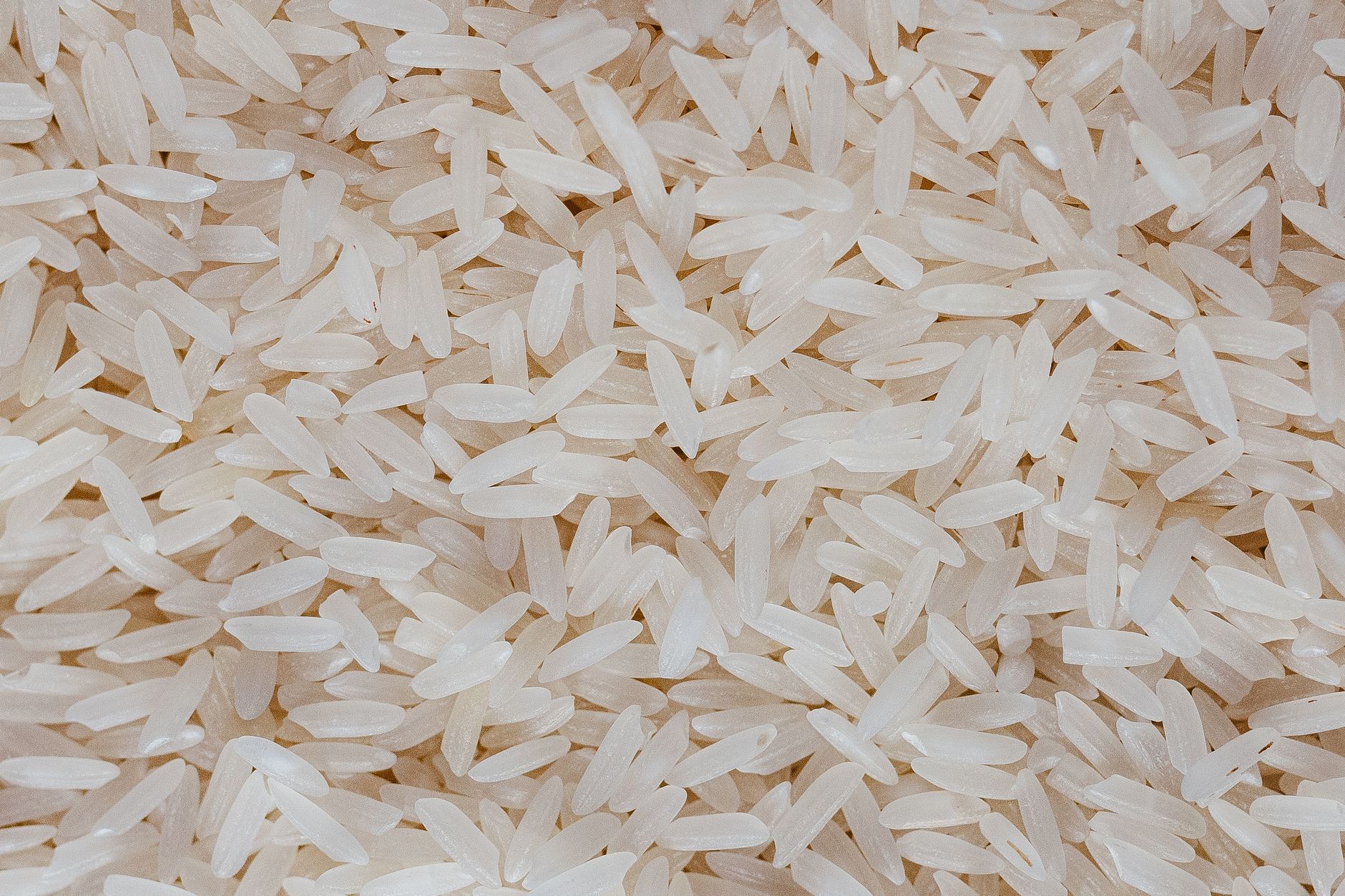
Jasmine rice, known for its fragrant aroma and delicate texture, is a staple in many Southeast Asian cuisines. It adds a lovely base to various dishes, from stir-fries to curries. Cooking jasmine rice properly enhances its natural flavor and makes it a perfect addition to your meals.
This guide will walk you through the process of making jasmine rice, covering everything from the ingredients needed to cooking techniques and storage tips. Whether you’re preparing it for a family dinner or a special occasion, you’ll be equipped with all the knowledge to achieve perfectly fluffy jasmine rice.
How Do You Make Jasmine Rice?
To make jasmine rice, you need the rice itself, water, and optional salt for flavor. The process involves rinsing the rice, boiling it, and allowing it to steam for a fluffy finish. Following the right techniques ensures beautifully cooked jasmine rice every time.
Ingredients for Jasmine Rice
- 1 cup jasmine rice
- 1 1/2 cups water
- 1/4 teaspoon salt (optional)
Equipment Needed
- Measuring cups
- Fine mesh strainer or colander
- Medium saucepan with a lid
- Stovetop or rice cooker
- Fork for fluffing rice
Preparation Steps
Follow these straightforward steps to prepare your jasmine rice:
- **Rinse the Jasmine Rice:** Measure 1 cup of jasmine rice and place it in a fine mesh strainer or colander. Rinse it under cold running water for about 2-3 minutes. This step helps remove excess starch, preventing the rice from being gummy.
- **Measure Water:** In a medium saucepan, combine the rinsed rice and 1 1/2 cups of water. If you’re using salt, add it to this mixture.
- **Bring to a Boil:** Place the saucepan over medium-high heat and bring the water to a rolling boil.
- **Simmer:** Once boiling, reduce the heat to low and cover the saucepan with a lid. Allow it to simmer for about 15 minutes. Avoid lifting the lid during this time, as it can disrupt the cooking process.
- **Check for Doneness:** After 15 minutes, turn off the heat but keep the lid on. Allow the rice to steam in the residual heat for another 10 minutes. This allows the moisture to evenly distribute.
- **Fluff and Serve:** After resting, remove the lid and fluff the rice gently with a fork to separate the grains. Your jasmine rice is now ready to serve!
Cooking Tips for Perfect Jasmine Rice
- **Use the Right Ratios:** The recommended water-to-rice ratio is 1.5:1 for jasmine rice. Adjust slightly based on personal preference for either firmer or softer rice.
- **Quality of Rice:** Select high-quality jasmine rice for the best flavor and fragrance. Look for varieties labeled as “Thai Jasmine Rice” for authenticity.
- **Avoid Overcooking:** Overcooking can lead to mushy rice. Pay attention to cooking and steaming times; practice will help you get it just right.
- **Let it Rest:** Allowing the rice to sit off the heat is crucial for achieving the perfect texture.
Common Mistakes to Avoid
- **Not Rinsing the Rice:** Failing to rinse can result in excessively sticky rice. Always wash the rice to achieve a fluffy texture.
- **Removing the Lid Too Early:** Lifting the lid during cooking can release steam, affecting cooking time. Always keep the lid on until the rice is done.
- **Using Too Much Water:** This can lead to overly moist rice. Stick to the recommended ratios for best results.
- **Skipping the Resting Step:** This is crucial for the rice to absorb remaining moisture. Without resting, the rice can be gummy.
Variations of Jasmine Rice
While plain jasmine rice is delicious on its own, you can enhance its flavor and nutrition through various additions:
- **Coconut Jasmine Rice:** Replace half of the water with coconut milk for a rich, creamy flavor.
- **Herb-Infused Rice:** Add chopped cilantro, basil, or mint while cooking for fresh flavors.
- **Vegetable Rice:** Mix in sautéed vegetables like bell peppers, carrots, or peas after the rice is done cooking for added nutrition.
- **Spiced Rice:** Incorporate cardamom pods, cloves, or star anise during cooking for aromatic rice with depth.
Serving Suggestions
Jasmine rice pairs beautifully with numerous dishes. Here are some popular serving suggestions:
- **With Curries:** Serve alongside green curry, red curry, or massaman curry for a complete meal.
- **In Stir-Fries:** Use as a base for stir-fried meats and vegetables.
- **With Grilled Meats:** Accompany grilled chicken, pork, or fish.
- **As a Side Dish:** Serve alongside roasted vegetables and beans for a wholesome meal.
Storing and Reheating Jasmine Rice
Proper storage is essential for maintaining the quality of your jasmine rice. Here’s how to do it:
Storage
- **Short-term:** Keep cooked jasmine rice in an airtight container in the fridge for up to 4 days.
- **Long-term:** For longer storage, freeze the rice in portions for up to 6 months. Make sure to label the container with the date.
Reheating
- **Microwave:** Add a splash of water to the rice in a microwave-safe dish, cover, and heat on medium until heated through.
- **Stovetop:** Place the rice in a pan with a few tablespoons of water. Cover and heat on low until warmed, stirring occasionally.
- **Oven:** Spread rice on a baking sheet and cover with foil. Heat in a preheated oven at 350°F until warmed.
Conclusion
Making jasmine rice is a simple process that yields delicious, fragrant results. By following the steps outlined in this guide, you’ll be able to create fluffy jasmine rice to serve with a variety of dishes. This versatile side can elevate your meals and offer a delightful experience for your taste buds.
For further guidance, be sure to check out our tips on how many cups of water for 1 cup of rice and find out if basmati rice is gluten-free. Happy cooking!