
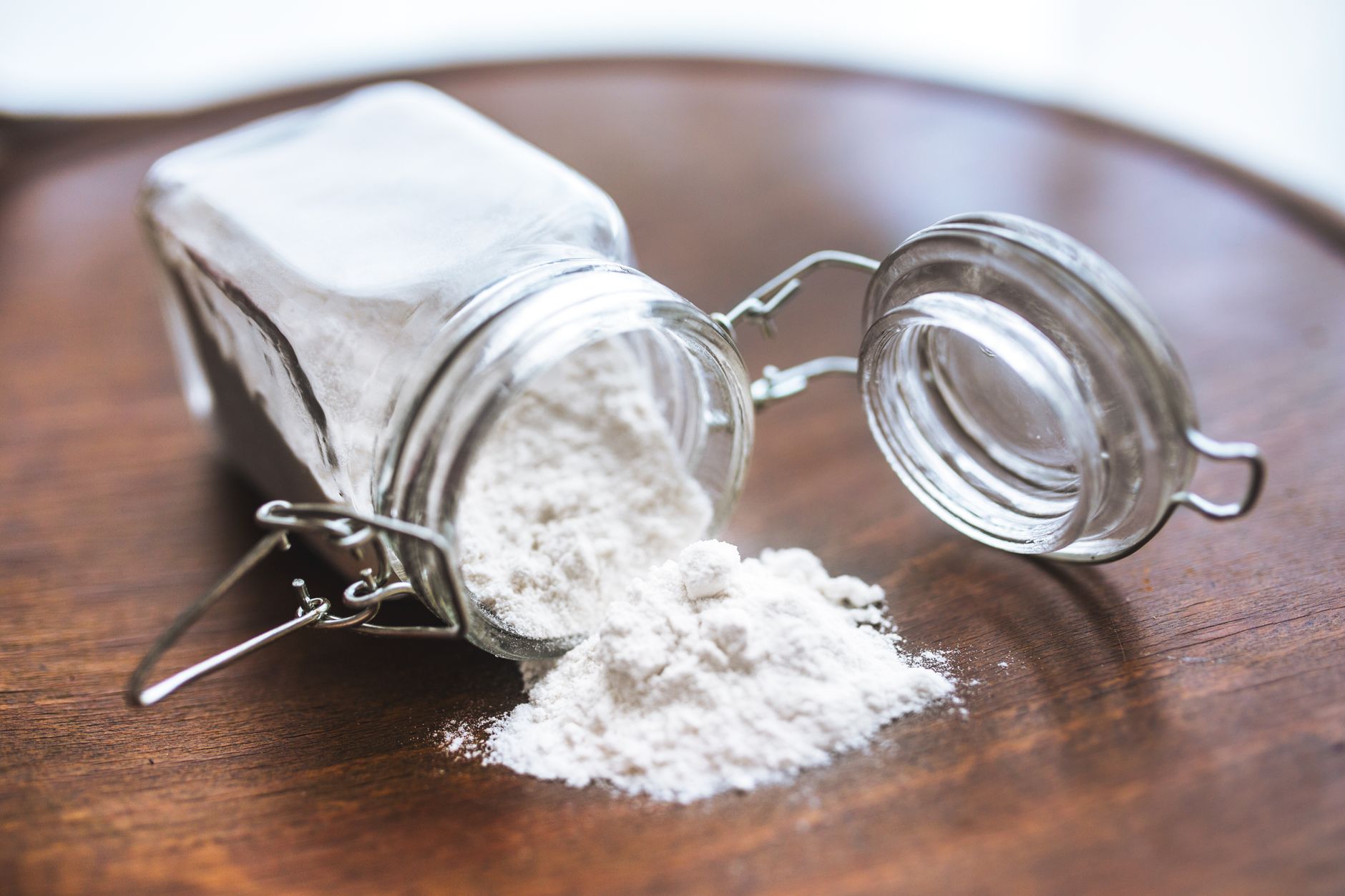
Baking powder is a staple ingredient in baking that acts as a leavening agent, helping baked goods rise and achieve a light, fluffy texture. But what if you find yourself out of baking powder or simply want to try making it at home? Understanding how to make baking powder can be both practical and rewarding, as it allows you to control the ingredients and adapt to dietary needs.
In this guide, we will explore how to make baking powder at home, including the ingredients needed, tips for effective use, and variations you can try. You’ll discover the science behind the ingredients, how each component works, and the role they play in your baking projects.
How Do You Make Baking Powder?
To make baking powder, you only need two ingredients: a combination of baking soda and an acid, typically cream of tartar. A common ratio is 1 part baking soda to 2 parts cream of tartar. When combined with a liquid in a recipe, this mixture will create carbon dioxide gas, causing your baked goods to rise.
Understanding the Ingredients
Baking Soda
Baking soda, or sodium bicarbonate, is a pure chemical compound. It is a strong alkaline and needs an acid to activate its leavening power. When baking soda is mixed with an acid and a liquid, it produces carbon dioxide gas, which helps doughs and batters rise. From cookies to cakes, this is crucial for achieving the right texture.
Cream of Tartar
Cream of tartar, scientifically known as potassium bitartrate, is a byproduct of wine fermentation. It acts as an acid and stabilizes whipped egg whites in meringues, preventing sugar from crystallizing in syrups. When combined with baking soda, it provides the necessary acidity to activate the leavening process while lending a slight tang to certain baked goods.
Alternative Acids
If you don’t have cream of tartar on hand, there are several alternative acids you can use to create baking powder:
- White Vinegar: Use one teaspoon of vinegar for every half teaspoon of baking soda. Combine just before baking.
- Fresh Lemon Juice: Similar to vinegar, one teaspoon of lemon juice can be substituted for half a teaspoon of baking soda.
- Buttermilk: If using buttermilk, reduce the liquid in the recipe by the amount of buttermilk used and add half a teaspoon of baking soda for each cup of buttermilk.
Basic Homemade Baking Powder Recipe
Now that you’re familiar with the key ingredients, let’s look at a simple recipe for homemade baking powder.
Ingredients
- 1 teaspoon baking soda
- 2 teaspoons cream of tartar
- Optional: 1 teaspoon cornstarch (to prevent clumping and extend shelf life)
Equipment Needed
- Mixing bowl
- Whisk or spoon for mixing
- Storage container with a lid
Instructions
- In a mixing bowl, combine the baking soda and cream of tartar. If using, add the cornstarch as well.
- Use a whisk or spoon to mix the ingredients together until they are thoroughly combined.
- Transfer the homemade baking powder to a storage container with a tight-sealing lid.
- Label the container with the date. Store in a cool, dry place away from moisture.
Tips for Using Homemade Baking Powder
To make the most of your homemade baking powder, consider these helpful tips:
- Use it fresh: Baking powder loses its potency over time. It’s best used within 3-6 months for optimal rising power.
- Test for freshness: To check if baking powder is still effective, mix 1 teaspoon with a small amount of warm water. If it fizzes, it’s still good.
- Adjust quantities: For recipes that require baking powder, use the same quantity as specified, whether store-bought or homemade.
Common Mistakes When Making Baking Powder
Making baking powder is fairly straightforward, but here are some common errors to avoid:
- Using the wrong ratios: Ensure you maintain the proper 1:2 ratio of baking soda to cream of tartar for effective leavening.
- Failing to combine thoroughly: Mixing needs to be uniform for even distribution. Any clumps can lead to uneven rising.
- Storing it improperly: Keep baking powder in a cool, dry spot to prevent moisture absorption, which can deactivate its leavening capabilities.
Variations of Baking Powder
Making your baking powder at home allows you to experiment. Here are a few variations you can try:
- Double-acting baking powder: This type of baking powder reacts in two phases—first when mixed with a liquid and again when heated. To create a double-acting baking powder, you can mix your basic ingredients and add an additional acid like baking phosphate.
- Low-sodium baking powder: For a healthier option, substitute baking soda with a low-sodium alternative, combining it with your acid of choice.
- Gluten-free baking powder: Most baking powders are gluten-free, but always check the labels. Alternatively, make your own with gluten-free cornstarch.
Serving Suggestions and Uses
Homemade baking powder can be utilized in a variety of baked goods, including:
- Cakes: Ideal for fluffy, light cakes, such as sponge or chiffon cakes.
- Pancakes and Waffles: Perfect for achieving light, airy breakfast treats.
- Breads: Use in recipes that call for quick breads or muffins.
Make-Ahead Guidance
If you’re planning to bake multiple dishes, consider making larger batches of baking powder. Use a quick measurement variation like:
- 1 cup baking powder: Combine 1/3 cup baking soda with 2/3 cup cream of tartar and optional cornstarch.
Remember to store it properly to maintain its effectiveness over time.
Storage and Shelf Life
Homemade baking powder should be stored in an airtight container in a cool, dry place. If stored correctly, it can last about 3 to 6 months. Always label the container with the date it was made to track its freshness.
Keep an eye out for any changes in texture, such as clumping or hardening, as these can indicate the need to replace the baking powder. Regular testing with warm water can help assess if it’s still effective.
Final Thoughts
Making your own baking powder is an easy and economical solution for enhanced baking flexibility. By understanding the core ingredients and their functions, you can ensure your baked goods rise beautifully each time you bake. Whether you’re preparing a family recipe or trying something new, the homemade version of baking powder can easily fit your needs.
For additional insights, explore topics such as the difference between bleached and unbleached flour or find out what shortening is in baking. Each guide complements your culinary skills and improves your baking repertoire.
Don’t forget to check out more related guides, from understanding flour differences to incorporating various shortening types in your baking practices.