
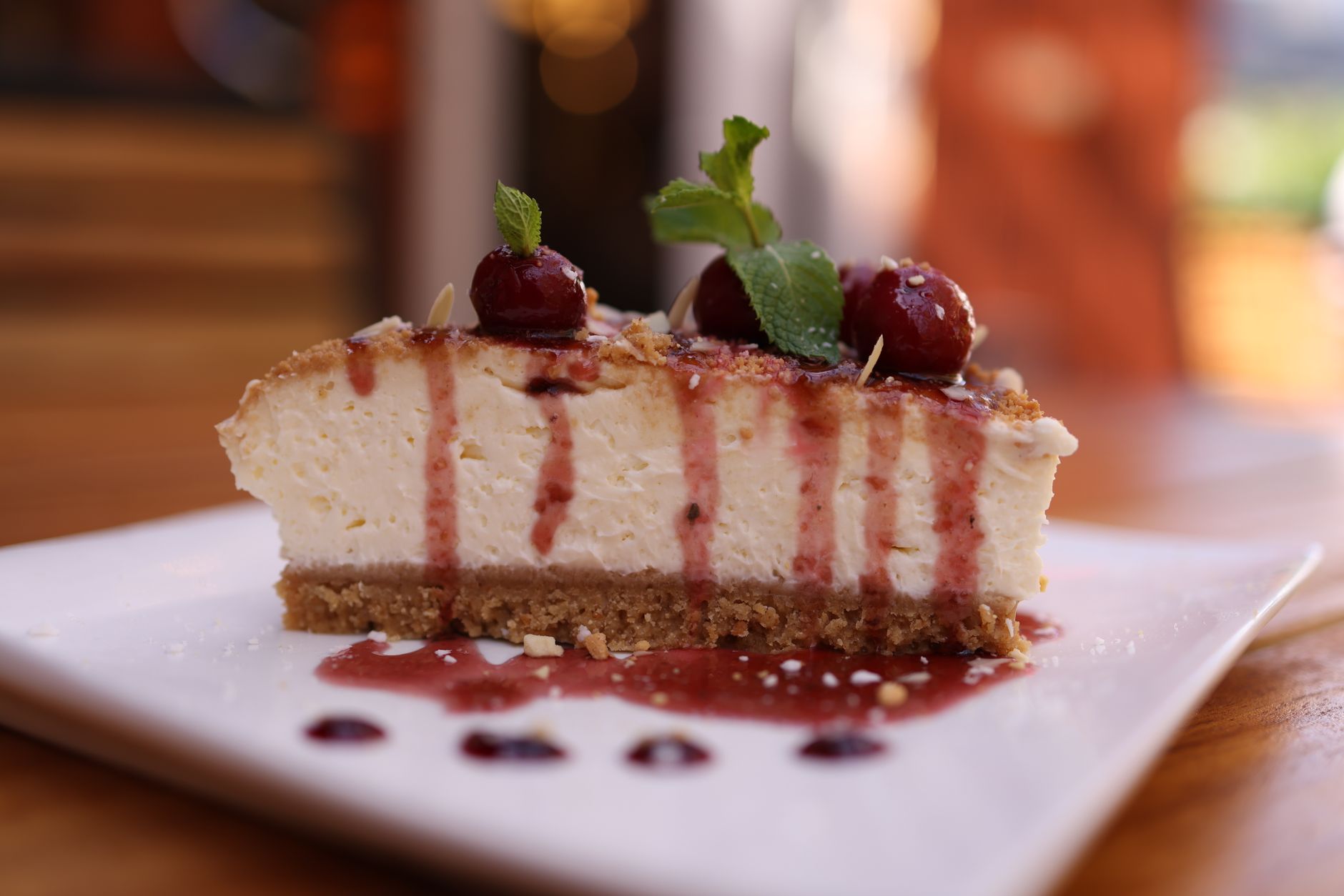
Creamy, rich, and decadent, cheesecake is a beloved dessert that has captivated taste buds worldwide. With its signature silky texture and a wide array of flavors, homemade cheesecake not only stands out for its taste but also for the satisfaction of creating it from scratch. Whether you prefer classic New York style or are experimenting with unique toppings, this guide will teach you how to make a cheesecake that impresses.
This detailed article covers recipes, variations, tips, and techniques for making cheesecake at home. From understanding the essential ingredients to troubleshooting issues, you’ll be well-prepared to whip up this delightful dessert.
How Do You Make A Cheesecake?
To make a cheesecake, you need cream cheese, sugar, eggs, and a crust of your choice. Bake until set, then allow it to cool fully. This process can vary slightly based on the style and flavor of cheesecake you’re making, but the core method remains consistent.
Understanding Cheesecake
Cheesecake is generally made with a mixture of cream cheese, sugar, and eggs, which is then baked over a crust. The cheese’s creamy texture pairs wonderfully with the sweetness from the sugar, creating a dessert that’s both satisfying and versatile. Common crusts include graham cracker, cookie, or pastry crusts. Additionally, cheesecakes can be flavored in numerous ways, utilizing fruits, chocolate, or spices.
Types of Cheesecake
- New York Style Cheesecake: Dense and creamy, this version contains a higher proportion of cream cheese and is often baked in a water bath for a smooth texture.
- Ricotta Cheesecake: Made with ricotta cheese, this version is lighter and has a grainier texture, popular in Italian cuisine.
- Japanese Cotton Cheesecake: Fluffy and jiggly, this style uses whipped egg whites to achieve a light, airy texture.
- No-Bake Cheesecake: Set using gelatin or simply chilled, this version is quick and easy, requiring no oven.
Ingredients for Cheesecake
Here’s a complete list of ingredients to make a classic cheesecake. These quantities typically yield a 9-inch cheesecake, serving approximately 10-12 people:
- Crust:
- 1 ½ cups graham cracker crumbs
- ⅓ cup granulated sugar
- ½ cup unsalted butter, melted
- Filling:
- 4 (8-ounce) packages cream cheese, softened
- 1 cup granulated sugar
- 1 teaspoon vanilla extract
- 4 large eggs, room temperature
- 1 cup sour cream (optional, for extra creaminess)
Essential Equipment
Having the right tools makes the cheesecake-making process easier. Here are the essentials:
- 9-inch springform pan
- Mixing bowls
- Electric mixer or whisk
- Spatula
- Measuring cups and spoons
- Aluminum foil (for water bath method)
- Oven thermometer (to ensure correct temperature)
Step-by-Step Cheesecake Recipe
Preparation Times
| Task | Time |
|---|---|
| Preparation | 20 minutes |
| Baking | 60-70 minutes |
| Cooling | 4-8 hours (or overnight) |
Method
- Make the Crust:
- Preheat your oven to 350°F (175°C).
- In a mixing bowl, combine graham cracker crumbs, sugar, and melted butter. Mix until fully combined.
- Press the mixture firmly into the bottom of the springform pan to form an even layer.
- Bake for 10 minutes, then remove from the oven and allow it to cool.
- Prepare the Filling:
- In a large mixing bowl, beat the softened cream cheese until smooth using an electric mixer or whisk.
- Add granulated sugar and vanilla extract, blending until thoroughly combined.
- Add the eggs, one at a time, ensuring each is blended in before adding the next. Scrape down the sides of the bowl as necessary.
- If using, mix in the sour cream until smooth.
- Assemble and Bake:
- Pour the cream cheese mixture over the cooled crust in the springform pan.
- If using the water bath method, wrap the outside of the springform pan with aluminum foil to prevent leaks, then place it into a larger baking dish. Add hot water to the dish until it reaches halfway up the sides of the pan.
- Bake for 60-70 minutes, or until the edges are set and the center is slightly jiggly.
- Cool:
- Turn off the oven and crack the oven door, allowing the cheesecake to cool gradually for about an hour.
- Afterward, place it in the refrigerator for at least 4 hours, preferably overnight, to ensure it sets completely.
- Serve:
- Once the cheesecake is chilled, carefully remove it from the springform pan.
- Slice and serve plain or with your choice of toppings, such as fruit, chocolate, or whipped cream.
Tips for a Perfect Cheesecake
- Room Temperature Ingredients: Ensure that the cream cheese and eggs are at room temperature for a smooth filling and to prevent lumps.
- Don’t Overmix: Overmixing can incorporate too much air into the batter, which could lead to cracking during baking.
- Check for Doneness: The cheesecake is done when the edges are set but the center remains slightly jiggly. It will continue to set as it cools.
- Water Bath Method: This helps to prevent cracking by creating a moist baking environment. If you don’t want to use a water bath, try placing a pan of water on the rack below the cheesecake.
- Cooling Gradually: Rapid temperature changes can cause cracks. Always cool the cheesecake gradually inside the oven before transferring it to the fridge.
Common Mistakes and Troubleshooting
Even seasoned bakers can run into issues when making cheesecake. Here are some common problems and how to avoid or fix them:
- Cracked Surface: This can happen due to overbaking or sudden temperature changes. To fix it in your next attempt, allow the cheesecake to cool gradually and consider using a water bath.
- Soggy Crust: Prevent soggy crusts by baking the crust before adding the filling. Also, ensure your butter is fully melted and mixed evenly with the crumbs.
- Too Dense or Heavy: This may result from overmixing or using cold ingredients. Always start with room temperature items and mix just until combined.
Variations and Flavor Ideas
One of the joys of cheesecake is the freedom to experiment. Here are some ideas to inspire your next creation:
- Fruit Swirl: Add a fruit puree or jam to the batter before baking. You can create a marble effect by lightly swirling it in.
- Chocolate Cheesecake: Mix in melted chocolate or cocoa powder to the batter. For a mocha flavor, consider adding instant coffee granules.
- Spiced Cheesecake: Incorporate spices like cinnamon, nutmeg, or vanilla bean into the batter for a more complex flavor profile.
- Nut Crust: Instead of graham crackers, use ground nuts (like almonds or pecans) for a different crust flavor and texture.
- Caramel or Toffee Topping: Drizzle caramel or toffee sauce over the top before serving for an indulgent finish.
Storage and Serving Suggestions
Proper storage will keep your cheesecake fresh and delicious:
- Storing: Cover the cheesecake with plastic wrap or aluminum foil and refrigerate. It typically lasts up to one week in the refrigerator.
- Freezing: To freeze, wrap tightly in plastic wrap and aluminum foil. Cheesecake can be frozen for up to three months. Thaw in the refrigerator before serving.
- Serving Tips: For a neat slice, use a hot, dry knife to cut through the cheesecake. Wipe the blade after each cut for cleaner edges.
Make-Ahead Guidance
Cheesecake is an excellent make-ahead dessert. Here’s how to ensure it stays delicious:
- Prepare the cheesecake one day before you plan to serve it. This allows adequate chilling time for the best flavor and texture.
- Consider making mini cheesecakes in muffin tins for individual servings that can be prepared and frozen ahead of time.
Making cheesecake is a rewarding endeavor that allows for ample creativity and personalization. Whether you’re baking for a special occasion or just treating yourself, this guide should set you on the right path to crafting a delicious dessert.
If you’re looking to explore different cheesecake recipes, try out this banana cheesecake recipe or spice things up with a churro cheesecake recipe. Both offer delicious variations that highlight the versatility of cheesecake.