
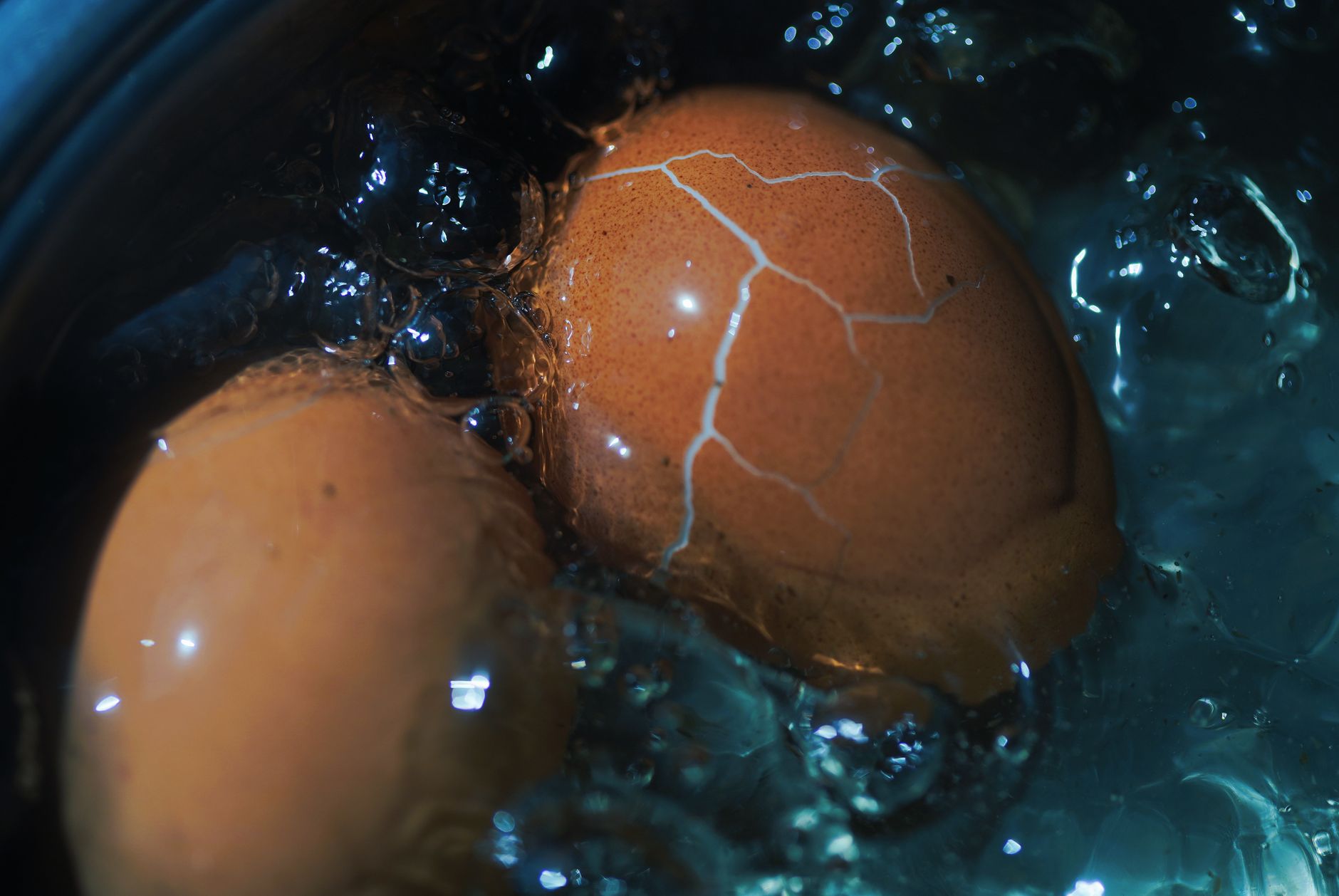
Boiled eggs are a versatile food that can be enjoyed in a variety of meals, from breakfast to snacks. However, knowing when boiled eggs are properly cooked can be a bit tricky. It’s essential to understand the different cooking times and signs that indicate your eggs are fully cooked.
This guide will help you navigate the intricacies of boiling eggs, including determining doneness based on your preferences and how to use boiled eggs in your cooking. Let’s dive into the topic and unravel the nuances of boiled egg perfection.
How Do You Know When Boiled Eggs?
To determine when boiled eggs are perfect, pay attention to cooking times, visual cues, and the method of boiling. Generally, eggs are considered done when the whites are firm and the yolks have reached your desired level of doneness, which can range from soft to hard-cooked.
The Science of Boiling Eggs
Understanding the science behind boiling eggs can help you achieve the desired doneness. Eggs are an excellent source of protein, and their structure changes as they cook. The proteins in the egg whites (albumen) start to coagulate at around 140°F (60°C), while the yolk thickens at approximately 150°F (65°C). Here’s how this reflects on doneness:
- Soft-boiled eggs: Whites are cooked, and yolks are runny.
- Medium-boiled eggs: Whites are firm, and yolks are slightly set but still creamy.
- Hard-boiled eggs: Both whites and yolks are fully cooked and firm.
Boiling Techniques
There are various methods to boil eggs, different techniques can affect how you gauge doneness:
Traditional Boiling Method
- Place your eggs in a saucepan and cover them with cold water by at least an inch.
- Bring the water to a boil over medium-high heat.
- Once boiling, reduce the heat to low and cover the pan with a lid.
- Start your timer according to your desired doneness:
- Soft-boiled: 4-6 minutes
- Medium-boiled: 6-9 minutes
- Hard-boiled: 10-12 minutes
- When the time is up, transfer the eggs to an ice bath to halt the cooking process.
Steaming Method
Steaming is an effective way to achieve boiled eggs:
- Fill a pot with about an inch of water and place a steaming basket inside.
- Bring the water to a boil.
- Carefully place the eggs in the steaming basket and cover the pot.
- Steam for the following times:
- Soft-boiled: 6-7 minutes
- Medium-boiled: 8-10 minutes
- Hard-boiled: 12-14 minutes
- Remove the eggs and place them in an ice bath to cool.
Testing for Doneness
Knowing the cooking times is great, but having a few testing methods adds reliability.
Shake Test
Lightly shake the egg and listen for sloshing. If you hear liquid, it’s likely soft or medium-boiled. A hard-boiled egg will not produce any sound. However, this method may not be foolproof as it can be affected by the egg’s cooling time.
Peel Test
Crack the shell and peel a small piece. If it’s easy to remove and the egg white appears firm, the egg is likely hard-boiled. For soft-boiled, the interior will still be runny. This method may waste an egg for testing purposes but is effective if you want a visual inspection.
Temperature Check
Using an instant-read thermometer can provide the most accurate measure. Aim for 145°F (63°C) for soft-boiled and 160°F (71°C) for hard-boiled eggs. Insert the thermometer into the yolk for a proper reading.
Common Mistakes When Boiling Eggs
Here are common pitfalls to avoid that can influence the end result:
- Starting with cold eggs: Always allow eggs to come to room temperature for even cooking.
- Overcooking: Extended cooking times lead to dry yolks and greenish rings around the yolk.
- Skipping the ice bath: Cooling eggs quickly stops the cooking process and aids in easier peeling.
Uses for Boiled Eggs
Boiled eggs are incredibly versatile and can be incorporated into many dishes or enjoyed on their own.
Salads
Chop boiled eggs and add them to salads for protein. Classic egg salad combines mashed yolks and mayonnaise, offering a creamy, rich addition to sandwiches or leafy greens.
Slices for Topping
Thinly slice boiled eggs as a garnish on toast, ramen, or rice bowls. They add both texture and flavor, elevating any simple meal.
Deviled Eggs
Deviled eggs make an excellent appetizer, combining the yolks with mayo, mustard, and seasonings, then piping them back into the egg white. Feel free to explore creative flavors such as avocado or bacon.
Snacks
Enjoy boiled eggs as a snack on their own or with a sprinkle of salt, pepper, or hot sauce. They are nutritious and filling, making them a great option for on-the-go energy.
How to Store Boiled Eggs
Proper storage ensures the longevity and quality of boiled eggs.
In the Refrigerator
- Boiled eggs can be stored in the shell for up to one week in the refrigerator.
- If peeled, place them in a container with a damp paper towel to maintain moisture. Use them within 3-5 days.
Freezing Boiled Eggs
Freezing boiled eggs is not recommended as the texture may degrade. However, you can freeze the egg yolks alone for future use in recipes like custards or sauces.
How to Peel Boiled Eggs Easily
One of the challenges with boiled eggs is peeling them efficiently. Here are a few tips:
- Older eggs tend to peel easier than fresh ones. If you’re anticipating a boil, consider buying eggs a week in advance.
- Cracking the egg all over gently before peeling can help loosen the shell.
- Peeling under running water or immersing in a bowl of water as you peel can aid in removing stubborn bits of shell.
When Do Eggs Go Bad?
It’s important to check the freshness of eggs before boiling. Here’s how to tell if eggs are still good:
- Float Test: Place the egg in a bowl of water. Fresh eggs sink; old eggs float.
- Check the sell-by date: Use eggs before this date for the best texture and flavor.
For more details, visit When Do Eggs Go Bad?.
How Long Do Eggs Last After Sell-By Date?
Understanding how long eggs last beyond their sell-by date is essential for planning meals. Generally, eggs can be safely consumed for 3-5 weeks after this date if stored properly in the refrigerator.
For further reading, check out How Long Do Eggs Last After Sell-By Date?.
Creative Variations and Substitutions
While boiled eggs are typically prepared simply, consider some variations:
- Use flavored water or broth when boiling to impart additional flavors to your eggs.
- For a twist, try adding herbs or spices directly to the yolk mixture in deviled eggs.
Conclusion
Perfectly boiled eggs are a delightful addition to many meals, and knowing how to achieve the right doneness is key. Through understanding boiling methods, cooking times, and storage tips, you can become proficient in preparing this nutritious food. Whether used in salads, as a topping, or in snacks, the versatility of boiled eggs is sure to enhance your culinary experience.
Explore related recipes and cooking tips to expand your culinary knowledge and ensure your dishes are vibrant and flavorful.