
Pomegranates are not only beautiful but also bursting with flavor and nutrients, making them a popular choice among fruit lovers. However, knowing when a pomegranate is ripe can be a bit tricky. This article will guide you through the indicators of a ripe pomegranate, how to select the best ones, and tips on storage.
Whether you are planning to add pomegranate seeds to a salad, juice them for refreshing drinks, or use them in cooking, understanding ripeness is crucial to extracting the best flavor and texture from this unique fruit.
How Do You Know When a Pomegranate Is Ripe?
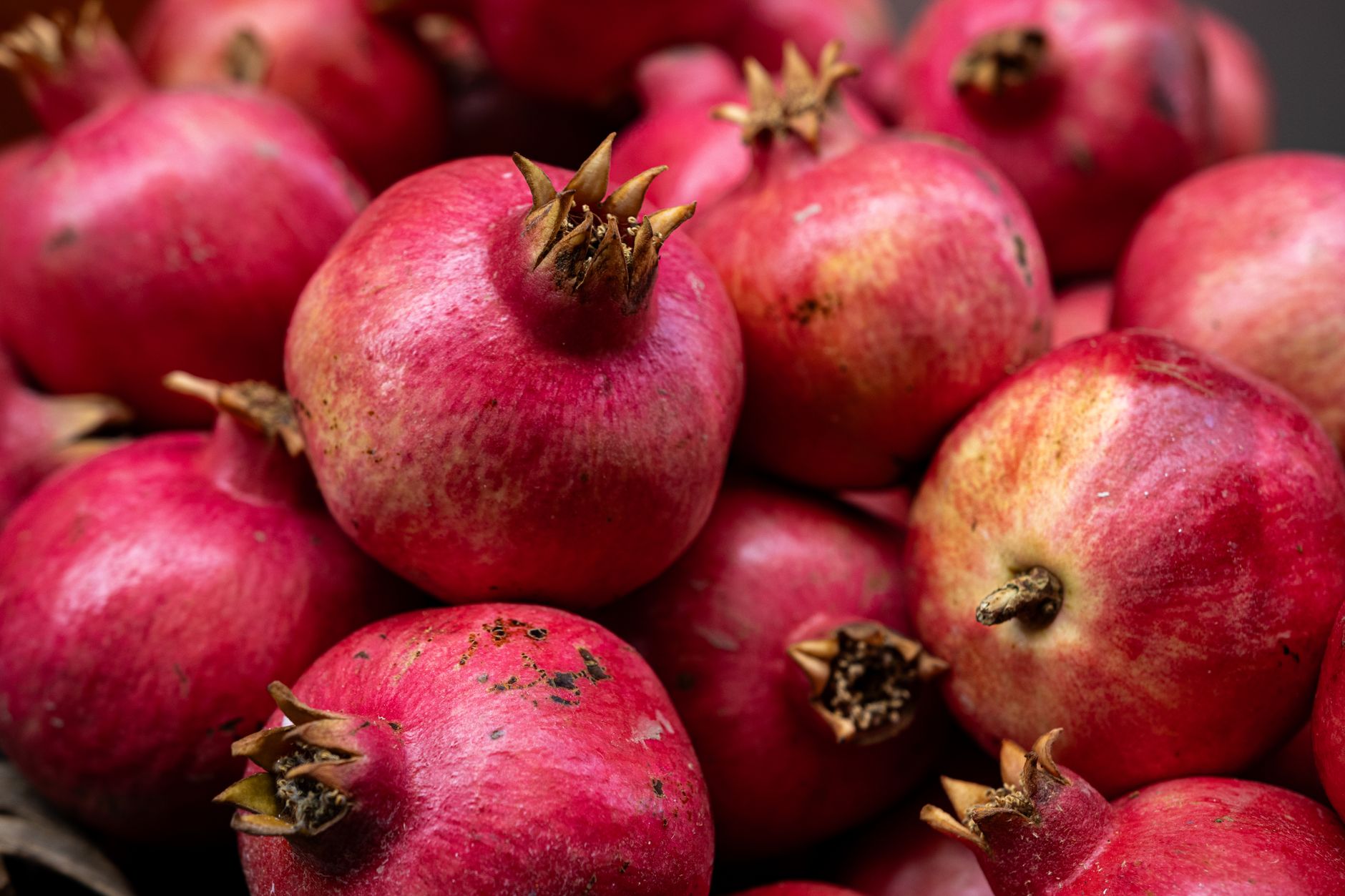
A ripe pomegranate is typically heavy for its size, has a rich, vibrant color, and displays certain physical characteristics like smooth skin and a firm exterior. It should also have a slight give when you press it gently. These indicators will help you select the prime pomegranates for your culinary endeavors.
Physical Characteristics of a Ripe Pomegranate
There are several attributes to look for when determining the ripeness of a pomegranate.
Color
The color of a ripe pomegranate can vary depending on the variety, but it typically ranges from deep red to a warm blush. Look for a fruit that has a rich, uniform color. Avoid pomegranates that have green or dull skin, as this indicates they are not fully ripe.
Weight
A ripe pomegranate will feel heavy for its size due to the juicy arils inside. When you hold it in one hand, it should give you a sense of density that suggests plump seeds. If a pomegranate feels light or hollow, it’s likely under ripe or has dried out.
Skin Texture
Examine the skin of the pomegranate. The surface should be smooth and free of blemishes, cracks, or wrinkles. Wrinkled skin can indicate that the fruit is overripe or has dried out. The skin should also feature a taut quality that feels firm but not hard.
Shape
A ripe pomegranate typically has a rounded shape, appearing plump. Keep an eye out for any flat or overly angular shapes as these can signal that the fruit is immature or ripe.
Smell and Sound
While not always a reliable method, smelling and tapping the fruit can provide additional clues about ripeness.
Fragrance
A ripe pomegranate will emit a sweet and floral aroma indicative of its sugared pulp. If the pomegranate has little to no scent, it is likely not yet ripe.
Sound Test
When you tap a pomegranate, a ripe fruit will produce a dull sound as opposed to a hollow sound that may indicate it is underripe or overripe. Tapping gently can give you a quick indication of its ripeness level.
Selecting and Storing Pomegranates
Choosing the right pomegranate is just the first step. Proper storage can also enhance the fruit’s longevity and preserve its fresh quality.
Choosing the Best Pomegranates
- Opt for pomegranates that have a rounded, plump shape.
- Select fruits with vibrant colors and smooth skin.
- Check for weight; heavier fruits contain more juice.
- Avoid any fruit with signs of damage or decay.
Storing Ripe Pomegranates
Once you have selected ripe pomegranates, proper storage is essential to maximize their shelf life.
- Uncut Pomegranates: Store uncut pomegranates at room temperature for about a week. If you wish to extend their freshness, keep them in the refrigerator, where they can last for up to two months.
- Cuts or Seeds: Once you cut a pomegranate, the seeds should be stored in an airtight container in the refrigerator. They are best consumed within five to seven days for the freshest taste.
Using Ripe Pomegranates: Culinary Applications
Ripe pomegranates are versatile and can be used in a variety of dishes, from salads to desserts. Here are a few popular ways to enjoy them:
Fresh Use
- Salads: Adding pomegranate arils to salads provides a sweet and tangy flavor along with a pleasing texture.
- Smoothies: Blend the seeds into your favorite smoothie for an antioxidant boost.
- Desserts: Garnish pies, cakes, or yogurt with pomegranate seeds for a burst of color and flavor.
Cooking and Baking
Pomegranate molasses, made from reducing pomegranate juice, is a popular ingredient in Middle Eastern cooking. It adds a sweet and sour note to dishes such as marinades, dressings, and even stews.
Juicing
If you enjoy fresh juice, a ripe pomegranate can be juiced to create a flavorful beverage. Just cut it in half and use a juicer or press to extract the juices from the arils.
Common Mistakes When Choosing Pomegranates
Even experienced shoppers can make mistakes when selecting pomegranates. Here are a few pitfalls to avoid:
- Choosing the Wrong Color: Do not select fruits that look pale or have green patches, as these are indicators of unripe fruit.
- Ineffective Weight Test: Be cautious of pomegranates that are too light, which means fewer arils. Balance your selection by picking heavier fruits.
- Ignoring Damage: Always check your pomegranates for cracks, soft spots, and other signs of damage, which can lead to spoilage.
Incorporating Pomegranates Into Your Meal Planning
Using pomegranates in your meal planning can create interesting flavor profiles and add visual appeal. Here are a few tips to make the most of them:
Flavor Pairings
- Pomegranates pair well with nuts such as walnuts and pistachios.
- They complement cheese varieties like feta or goat cheese.
- A splash of pomegranate juice enhances dressings for roasted vegetables.
Batch Planning
If you find a great deal on pomegranates, prepare them in batches. Remove and store arils for use throughout the week in various recipes. They can be tossed into breakfast oatmeal, yogurt parfaits, or savory grain bowls.
Seasonal Cooking
Pomegranates are in season from September to January, making them a perfect addition to fall and winter meals. Consider incorporating pomegranates into holiday recipes or seasonal salads.
Pomegranate Health Benefits
While this guide focuses on selecting the best pomegranates, knowing a bit about their health benefits can further motivate you to include them in your diet.
- Pomegranates are high in antioxidants, which are known to combat free radicals in the body.
- They may help in reducing inflammation and promoting heart health.
- The fruit is rich in vitamins C and K, among other essential nutrients.
Final Thoughts
Understanding how to identify a ripe pomegranate and how to use it effectively can elevate your dishes significantly. Whether you explore incorporating it into salads, desserts, or juices, focusing on its freshness will enhance your culinary experience.
Now that you’re equipped with knowledge on selecting, storing, and using pomegranates, take a step further and experiment with this beautiful fruit in your next meal.
For more information about the benefits of pomegranates, check out what does pomegranate juice do for you? and learn about the delightful qualities of pomegranates themselves at what is a pomegranate?.