
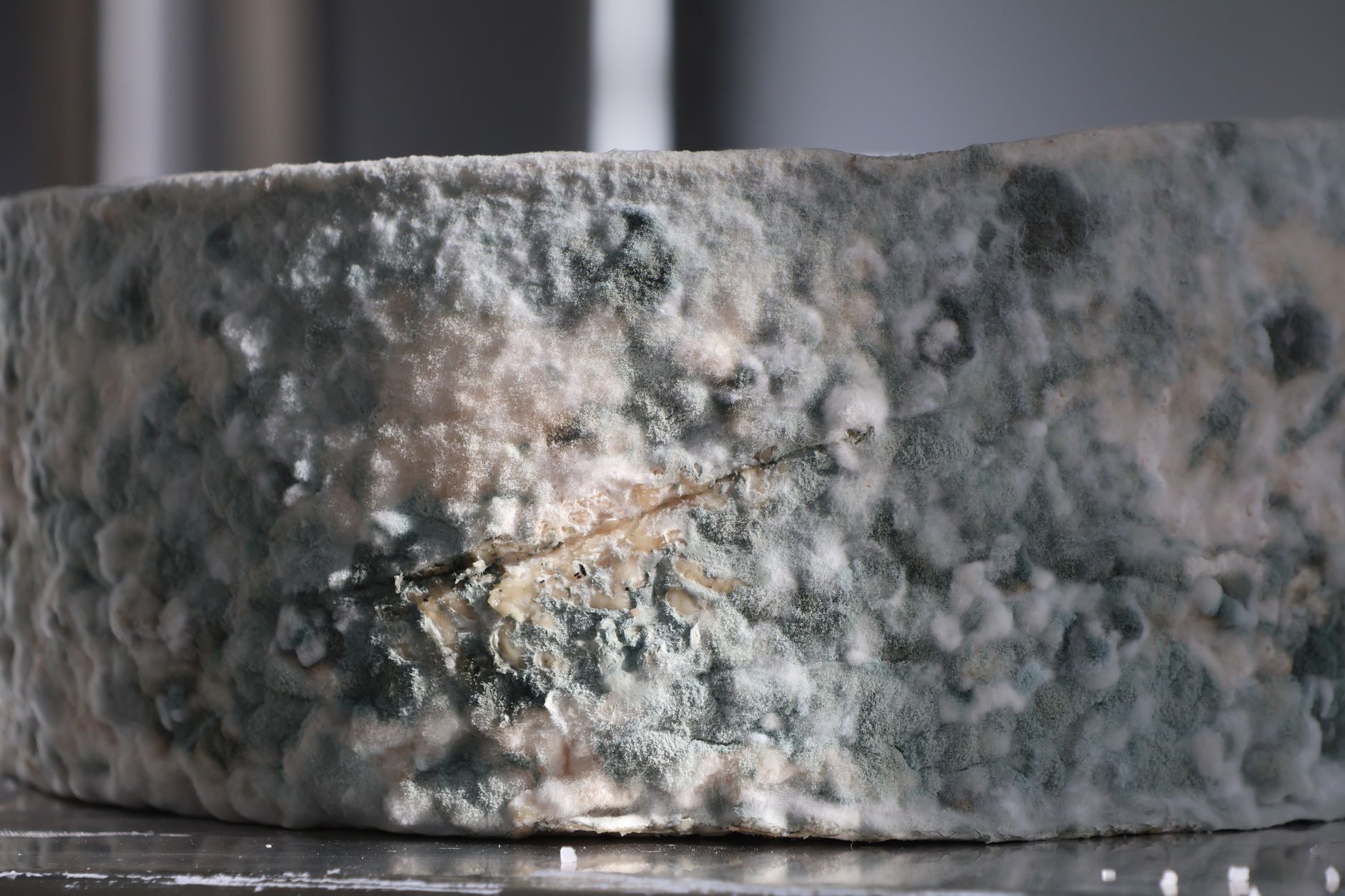
Cheese is a beloved ingredient used in countless dishes and enjoyed on its own. However, understanding how to determine if cheese has gone bad is essential for food safety and flavor. Spoiled cheese not only loses its delicious qualities but can also lead to foodborne illness.
This guide will provide you with the essential tips on how to tell if cheese is bad, how to store it properly, and some food safety tips that can keep your dairy products fresh for longer.
How Do You Know If Cheese Is Bad?
To determine if cheese is bad, you should check for visible signs of spoilage, odd smells, and changes in texture. If the cheese has mold that’s not typical for that variety, an off or sour smell, or a slimy texture, it is best to discard it.
Visual Signs of Spoilage
When it comes to cheese, visual inspection is often your first line of defense against spoilage. Here are the main things to look out for:
- Mold: Some cheeses, like blue cheese, are meant to have mold. However, if you see unusual colors of mold (green, black, or white on cheeses that aren’t supposed to have it), it is a sign of spoilage. Cut off at least one inch around the moldy area including some of the cheese itself. If the mold returns or is extensive, discard the cheese.
- Color Change: Cheese that has changed color, such as becoming darker or browner, could indicate spoilage. While some cheese varieties naturally develop deeper hues with age, an undesired color change could signify it’s time to toss it.
- Surface Texture: Look for any slimy or excessively dry textures. Cheese that feels sticky or has a greasy film on the surface can be a sign that it has gone bad. On the other hand, excessive dryness could mean it has lost moisture and flavor.
Smell Check
Smelling your cheese can also reveal its freshness. Here’s how to tell if cheese is bad by its odor:
- Foul Odor: Fresh cheese typically has a pleasant aroma, while spoiled cheese will often exude a sour or rancid smell. If your cheese smells more intense than normal and not in a good way, it’s best to err on the side of caution.
- Ammonia Smell: A strong ammonia smell indicates spoilage that may not be redeemable. Cheese with this aroma should be discarded.
Texture Changes
The feel of the cheese can also be indicative of its quality:
- Dryness: While some hard cheeses can be quite dry, if a normally soft cheese feels excessively dry or crumbly, it may be past its prime.
- Sliminess: A slimy film on the cheese is a sure sign of spoilage. This can come from the growth of bacteria or yeast, and it’s best not to consume it.
Types of Cheese and Spoilage Timeframes
Different types of cheese have varying shelf lives and stability against spoilage. Here’s a breakdown of common cheese types and their expected longevity:
Soft Cheeses
Soft cheeses such as brie, ricotta, and cream cheese are the most perishable:
- Usually last for about one week past their expiration date if stored correctly.
- Once opened, they should be consumed within a week.
Hard Cheeses
Hard cheeses like cheddar and parmesan generally have a longer shelf life:
- Can last several weeks to months past their expiration date if kept in proper conditions.
- Hard cheeses may develop surface mold, which can be cut away, leaving the remaining cheese safe to consume.
Blue Cheeses
Blue cheese is unique due to its moldy texture:
- Should be consumed within 3 to 4 weeks of opening.
- If the cheese exhibits unusual mold, discard it.
Fresh Mozzarella
This cheese has a significantly shorter shelf life:
- Typically lasts about one week past its sell-by date in the refrigerator.
- Should ideally be consumed as fresh as possible.
Proper Cheese Storage Techniques
Proper storage plays a critical role in maintaining cheese quality. Here are some storage techniques for various cheese types:
Wrap and Store
How you wrap your cheese affects its lifespan:
- Wax Paper or Parchment: Wrap cheese in wax paper or parchment paper rather than plastic wrap. This allows it to breathe while keeping excess moisture at bay.
- Airtight Containers: For soft cheeses, using airtight containers can help retain moisture but be cautious to check for sliminess and odor regularly.
Optimal Temperature
The temperature at which cheese is stored is also important:
- Cheeses are best stored in the vegetable drawer of the refrigerator where temperatures are more stable and beneficial to keeping them fresh.
- Hard cheeses can also be stored at slightly warmer temperatures, around 50 to 55°F, which may enhance their flavor.
Freezing Cheese
If you find yourself with excess cheese that you can’t consume in time, you may consider freezing it. However, not all cheeses freeze well:
Hard Cheeses
Hard cheeses like cheddar and aging Parmesan can be frozen:
- Grate or chunk hard cheese before freezing to facilitate quicker thawing and prevent clumping.
- Store in an airtight freezer bag or vacuum seal for best results, typically lasting up to six months.
Soft Cheeses
Soft cheeses do not freeze well as the texture can change significantly:
- If you must freeze soft cheese, consider using it in cooked dishes after thawing as the texture might not be suitable for fresh consumption.
Signs of Spoilage in Vegan Cheese
Vegan cheese, though made from plants, can also spoil:
- Check for changes in color or texture similar to dairy cheese.
- Be wary of sour smells or signs of mold; discard if any are present.
Best Practices for Cheese Handling
Proper handling can greatly reduce the chance of spoilage and contamination:
- Clean Hands: Always wash your hands before handling cheese to prevent the transfer of bacteria.
- Utensils and Cutting Boards: Use clean utensils and cutting boards specifically for cheese to prevent cross-contamination.
- Avoid Temperature Fluctuations: Take only the amount of cheese you need and promptly return the remainder to the refrigerator.
Understanding Expiration and Best-By Dates
Cheese often has a “best-by” or “sell-by” date rather than a strict expiration date:
- These dates are often conservative and don’t imply that the cheese is immediately unsafe after these dates.
- Perform the visual, smell, and texture checks regardless of dates. Sweet or mildly funky cheese may still be acceptable days or weeks beyond the printed date.
Handling Leftover Cheese
Many people wonder what to do with leftover cheese after a meal or an event. Here are some ideas:
- Incorporate into Recipes: Leftover cheese can be melted into sauces, mixed into pasta dishes, or used in casseroles.
- Cheese Board Leftovers: Use leftover hard cheeses in salads, sprinkle them over roasted vegetables, or integrate them into an omelet.
When to Consult Food Safety Resources
If you’re ever in doubt about the safety of your cheese, it is prudent to check established food safety resources. The USDA offers guidelines and can help clarify if a specific type of cheese has gone bad. Additionally, local health departments may provide valuable resources and information.
Common Mistakes When Checking Cheese Freshness
When assessing the freshness of cheese, avoid these mistakes:
- Neglecting to Inspect: Always check cheese visually and by smell, even if its package is intact.
- Assuming All Mold is Bad: Understanding which molds are safe and which are not can prevent the unnecessary disposal of perfectly good cheese.
Being proactive about the signs that cheese is bad ensures not only health safety but maintains the quality of your culinary creations. By storing, handling, and checking your cheese correctly, you can enjoy it longer and keep your meals flavorful. If you’re wondering about another dairy product, explore related topics on cottage cheese storage here or if dogs can consume cheddar cheese here. Dive into the world of cheeses with confidence!