
Eggs are a staple ingredient in many kitchens, valued for their versatility and nutritional benefits. However, knowing whether an egg is still good to use can be tricky. Odors, appearances, and expiration dates can provide clues, but understanding how to properly assess the freshness of eggs is essential for food safety.
This guide will help you learn how to determine if an egg is bad, including tips for storage, visual checks, and simple tests that can ensure your meals are as safe and delicious as they should be.
How Do You Know If An Egg Is Bad?
To determine if an egg is bad, you’ll need to look for signs of spoilage such as odor, appearance, and texture. Fresh eggs typically have a clean shell and a bright yolk, while spoiled eggs may emit a foul smell or have discoloration inside. Simple tests like the float test can also help gauge freshness.
Understanding Egg Freshness
Eggs can be a source of contamination if consumed after they have gone bad. Freshness is key for both culinary purposes and safety. Here’s a breakdown of key factors affecting egg freshness.
Egg Anatomy and Freshness Indicators
- Shell: Fresh eggs have a clean, uncracked shell. The shell is porous, allowing air to enter over time, which can affect egg quality.
- White: The albumen (egg white) of fresh eggs is thick and stands tall. As eggs age, the whites become thinner and spread out.
- Yolk: A fresh yolk is firm and has a bright, vibrant color. Older eggs will have yolks that flatten out and lose their richness in color.
- Air Cell: As eggs age, moisture and air enter through the shell, increasing the size of the air cell, which is visible when you shake the egg.
Visual Inspection of Eggs
The first step in assessing an egg’s quality is to inspect it visually. Examine the shell for cracks, dirt, or unusual colors. Any signs of abnormalities may indicate spoilage. Here’s what to look for:
Shell Integrity
- Cracks or breaks can harbor bacteria that jeopardize the egg’s safety. Discard any eggs with visible damage.
- Dirt or residue can be a sign of improper handling or storage, which generally warrants further inspection.
Shell Color and Appearance
The color of an eggshell doesn’t affect its flavor or quality but can indicate freshness:
- White and brown eggs can both be fresh or spoiled, but inspect them for dirt and cracks as previously mentioned.
- Discoloration or unusual stains may suggest spoilage; consider discarding such eggs.
Smell Test
Eggs have little to no smell when fresh. If an egg emits any odor when cracked open, it’s most likely spoiled. Here’s how to effectively carry out the smell test:
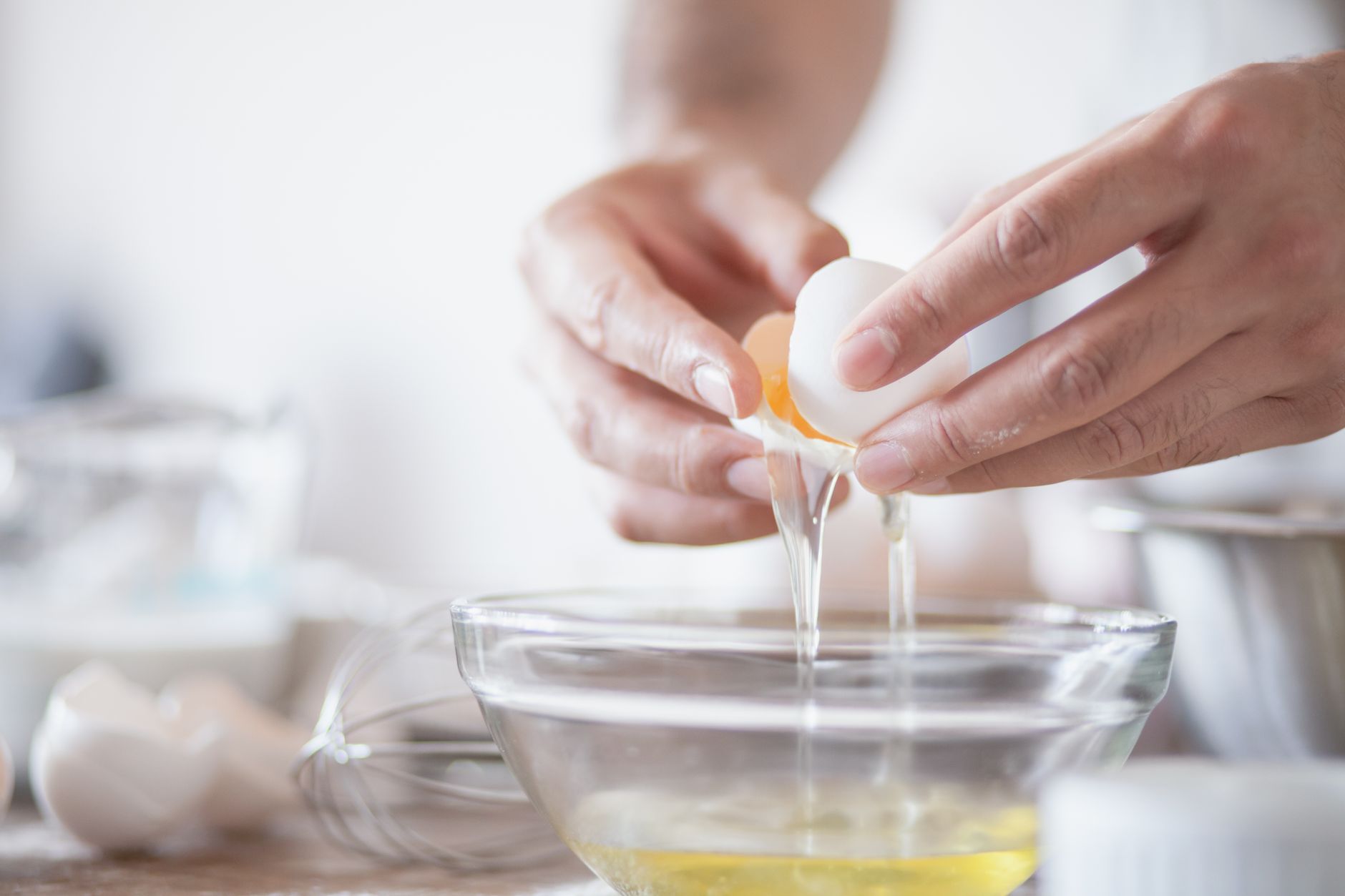
- Crack the egg open on a clean plate or bowl.
- Immediately assess the odor; if you detect a sulfur-like or rotten smell, discard the egg.
The Float Test
One of the simplest methods to check egg freshness is the float test. This test uses the principle that as eggs age, the air cell inside enlarges, causing them to become buoyant. Here’s how to perform it:
- Fill a bowl or glass with water.
- Gently place the egg in the water.
- Observe the behavior of the egg:
- If it sinks and lays flat on the bottom, it is fresh.
- If it stands upright on the bottom, it is still good but should be used soon.
- If it floats to the surface, it is bad and should be discarded.
Expiration Dates and Best-By Dates
Egg cartons often bear a sell-by or expiration date. These dates are helpful but should not be relied upon solely to determine freshness. Here’s how to interpret these dates:
- Sell-By Date: Refers to when the store should sell the eggs. Eggs can often be consumed after this date if stored properly.
- Expiration Date: Indicates the last date on which the manufacturer guarantees the egg’s quality. Eggs may still be viable shortly after this date.
- Use these dates as a guideline, but remember they don’t account for how well eggs have been stored.
Proper Egg Storage Tips
Knowing how to store eggs can significantly prolong their freshness. Follow these simple tips for optimal storage:
- Refrigeration: Always store eggs in the refrigerator rather than at room temperature. The cold environment slows bacterial growth.
- Keep in Original Carton: Store eggs in their original carton to protect them from absorbing strong odors and flavors of other foods.
- Avoid the Door: Place eggs in the main body of the fridge rather than the door, where temperatures fluctuate more.
Common Mistakes to Avoid When Dealing with Eggs
Here are some pitfalls that can lead to confirming whether eggs are still safe to eat:
- Ignoring Inspection: Always perform a visual and smell check before cracking an egg.
- Keeping Eggs Beyond Their Expiration: Don’t assume eggs are good simply because they have not reached their sell-by date; always check for freshness.
- Relying Solely on Expiration Dates: Be cautious with expiration dates, as proper storage is essential for extending freshness.
What To Do With Questionable Eggs
If you’re uncertain about the freshness but still want to salvage questionable eggs, consider these tips:
- Hard-Boil: Cooking eggs thoroughly can kill bacteria, making hard-boiled eggs a safer option if you have concerns about freshness.
- Use in Baking: If the eggs have passed the visual and smell tests but are still within the expiration range, consider using them in baked goods where thorough cooking is guaranteed.
What to Do with Bad Eggs
Disposing of bad eggs should be done with caution to prevent any foodborne illness:
- Seal the bad eggs in a plastic bag before throwing them in the trash to prevent odor.
- Do not compost bad eggs, as they can attract pests and create odors.
Conclusion
Maintaining egg freshness is crucial for food safety and quality. By conducting simple tests, inspecting shells, and adhering to proper storage guidelines, you can enjoy your eggs without concern. Remember, when in doubt, it’s better to err on the side of caution and dispose of questionable eggs.
Explore more on the topic by checking out how long you can keep eggs in the refrigerator at this guide or learn more about when eggs actually go bad at this article.