
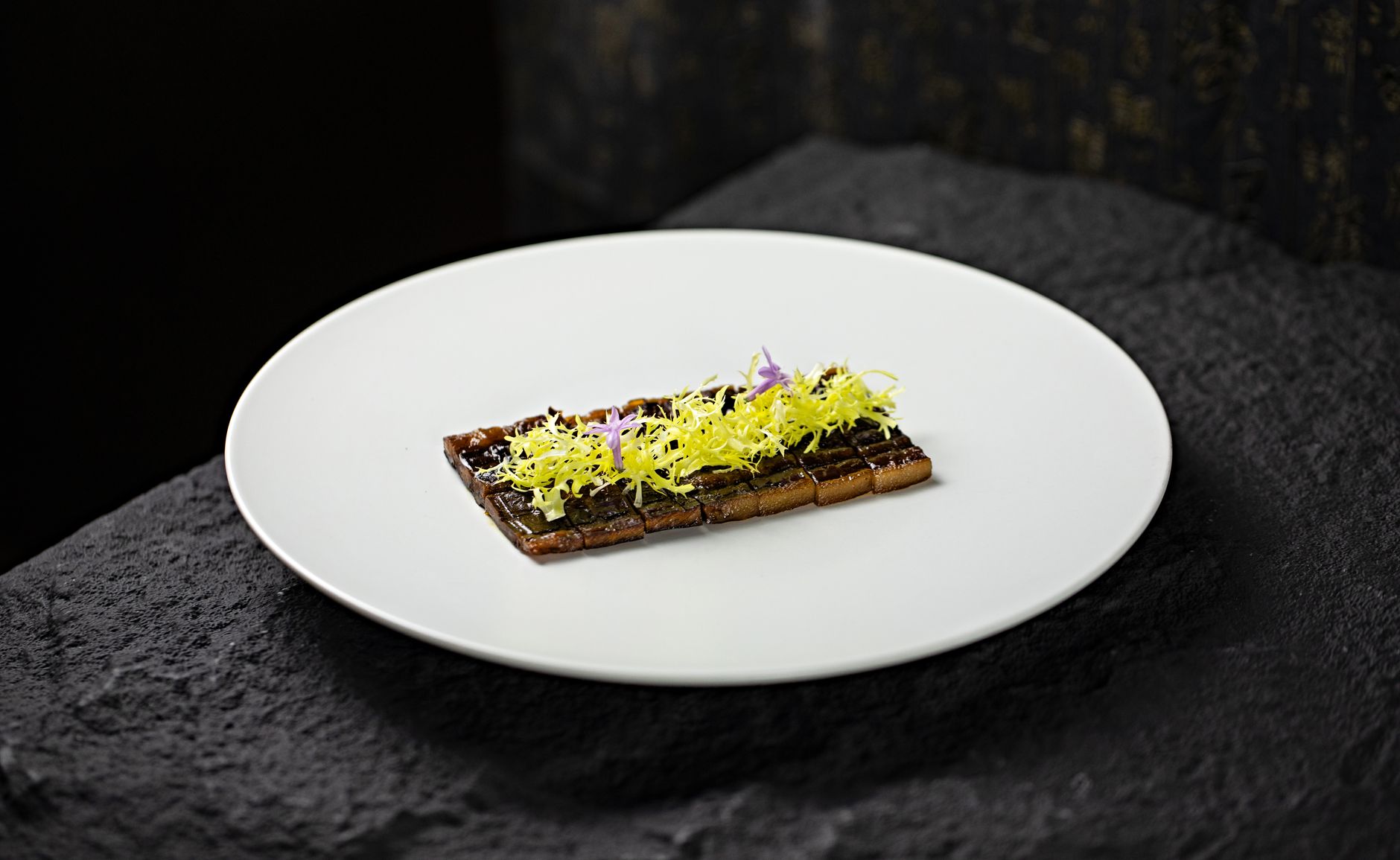
Michelin stars are among the most coveted accolades in the culinary world, signifying exceptional quality and a unique dining experience. Understanding how restaurants obtain these prestigious stars can demystify the rigorous evaluation process and inspire those looking to create memorable meals, whether at home or on a grander scale.
This article will delve into the process of obtaining Michelin stars, the criteria involved, and aspects that chefs and restaurants must consider to earn this esteemed distinction.
How Do You Get Michelin Stars?
Michelin stars are awarded through a meticulous process that involves anonymous inspections and strict criteria, including the quality of ingredients, the mastery of techniques, the personality of the cuisine, and consistency. There are three types of Michelin stars, each representing a different level of dining experience.
The Evaluation Process of Michelin Stars
The Michelin Guide employs trained inspectors who visit restaurants anonymously to conduct their evaluations. The approach is systematic, relying on a well-defined set of criteria. Here’s how the process generally unfolds:
- Anonymous Visits: Inspectors visit restaurants without revealing their identity. This ensures an authentic experience without any special treatment.
- Multiple Visits: A single visit is often not enough. Inspectors may return several times to ensure consistent quality and to evaluate the restaurant under different circumstances.
- Final Ratings: After thorough evaluations, restaurants may receive zero, one, two, or three stars based on their performance.
The Criteria for Michelin Stars
The Michelin Guide is known for its strict and specific assessments. Here are the key factors inspectors evaluate:
1. Quality of Ingredients
High-quality ingredients are crucial. Inspectors look for freshness, origin, and flavor. Chefs who source their food from reputable suppliers tend to score higher.
2. Mastery of Techniques
Chefs must display skill in cooking methods and techniques. This includes preparation, presentation, and the ability to enhance flavors through various cooking styles.
3. Harmony of Flavors
The dishes served must present a harmonious balance of flavors. The combination of ingredients and how they complement each other is vital for achieving a Michelin star.
4. The Chef’s Personal Touch
Each dish should reflect the chef’s individuality and vision. This personal touch elevates the dining experience and helps establish a restaurant’s unique identity.
5. Consistency
With each visit, the inspector should receive the same high-quality experience. Consistency in service, flavors, and plate presentation across visits is essential.
6. Value for Money
While Michelin restaurants are often high-end, inspectors consider whether the experience equates to the price tag, ensuring diners receive value at any price point.
Understanding the Michelin Star Levels
Restaurants can earn different levels of Michelin stars, each reflecting a unique standard of excellence:
1. One Star
A restaurant with one Michelin star is recognized as a “very good restaurant in its category.” It signifies quality cooking and is worth a visit.
2. Two Stars
Two stars indicate a restaurant offering “excellent cooking that is worth a detour.” This level reflects refined skills and exceptional dishes that stand out in the dining landscape.
3. Three Stars
Three-star restaurants are among the best globally and are considered “exceptional cuisine that is worth a special journey.” Achieving this status denotes a peak of culinary artistry and excellence.
Common Mistakes to Avoid When Pursuing Michelin Stars
- Neglecting Consistency: Inconsistencies in food quality or service between visits can hinder star potential.
- Ignoring Innovation: Stagnation in creativity may cause a restaurant to fade from notice. Constant evolution is critical.
- Overlooking Details: Minor flaws in presentation or service that may seem insignificant can impact the overall evaluation.
- Focusing Solely on Popularity: While a loyal customer base is valuable, Michelin stars rely more heavily on culinary artistry than popularity.
Examples of Michelin Star Winning Dishes
When aiming to impress Michelin inspectors, the execution of signature dishes can be critical. Here are a few examples of meals that have garnered stars due to their unique flavor profiles and presentation:
1. Foie Gras with Seasonal Fruit Jam
This dish showcases the sophisticated balance of rich foie gras with sweet seasonal fruit, illustrating both mastery of technique and the harmony of contrasting flavors.
2. Lobster and Saffron Risotto
A beautifully prepared risotto enriched with saffron and topped with freshly cooked lobster offers flavor depth, texture variation, and visual appeal that Michelin inspectors appreciate.
3. Tiramisu with a Twist
By presenting the traditional tiramisu in a non-traditional form while maintaining its classic flavors, chefs can mark their creativity and innovation while appealing to seasoned inspectors.
How to Encourage Michelin Star Quality in Your Cooking
Even if you’re not aiming for a Michelin star, applying quality principles to your cooking can elevate your dining experience. Here are several tips for achieving restaurant-quality dishes at home:
1. Invest in Quality Ingredients
While it may be tempting to cut costs on ingredients, investing in quality can lead to a noticeable difference in your cooking. Fresh, seasonal produce and high-quality proteins can transform a dish.
2. Master Cooking Techniques
Understanding various cooking techniques can significantly refine your dishes. Techniques like sous-vide, grilling, and baking should be explored to enhance culinary skills.
3. Focus on Flavor Balance
Pay attention to how different flavors interact. Use herbs, spices, acidity, and sweetness to create depth in your dishes.
4. Pay Attention to Presentation
Visual appeal is an integral part of fine dining. Plating techniques, garnishes, and even dishware can enhance the overall experience for diners.
5. Channel Your Creativity
Don’t shy away from trying new combinations and ideas. Personal touches that reflect your style can elevate your cooking and increase enjoyment.
Conclusion
Earning Michelin stars is no easy feat, but understanding the criteria and evaluation processes can guide aspiring chefs and restaurateurs. Learning from the best also encourages home cooks to strive for quality, flavor, and creativity in their culinary endeavors. The Michelin Guide remains a benchmark for excellence, inspiring all levels of cooks to reach higher.
For further inspiration, explore cooking tips, ingredient guides, and practical recipes to create exceptional meals at home. Whether seeking new techniques or ingredient selections, there is always more to learn in the culinary world!