
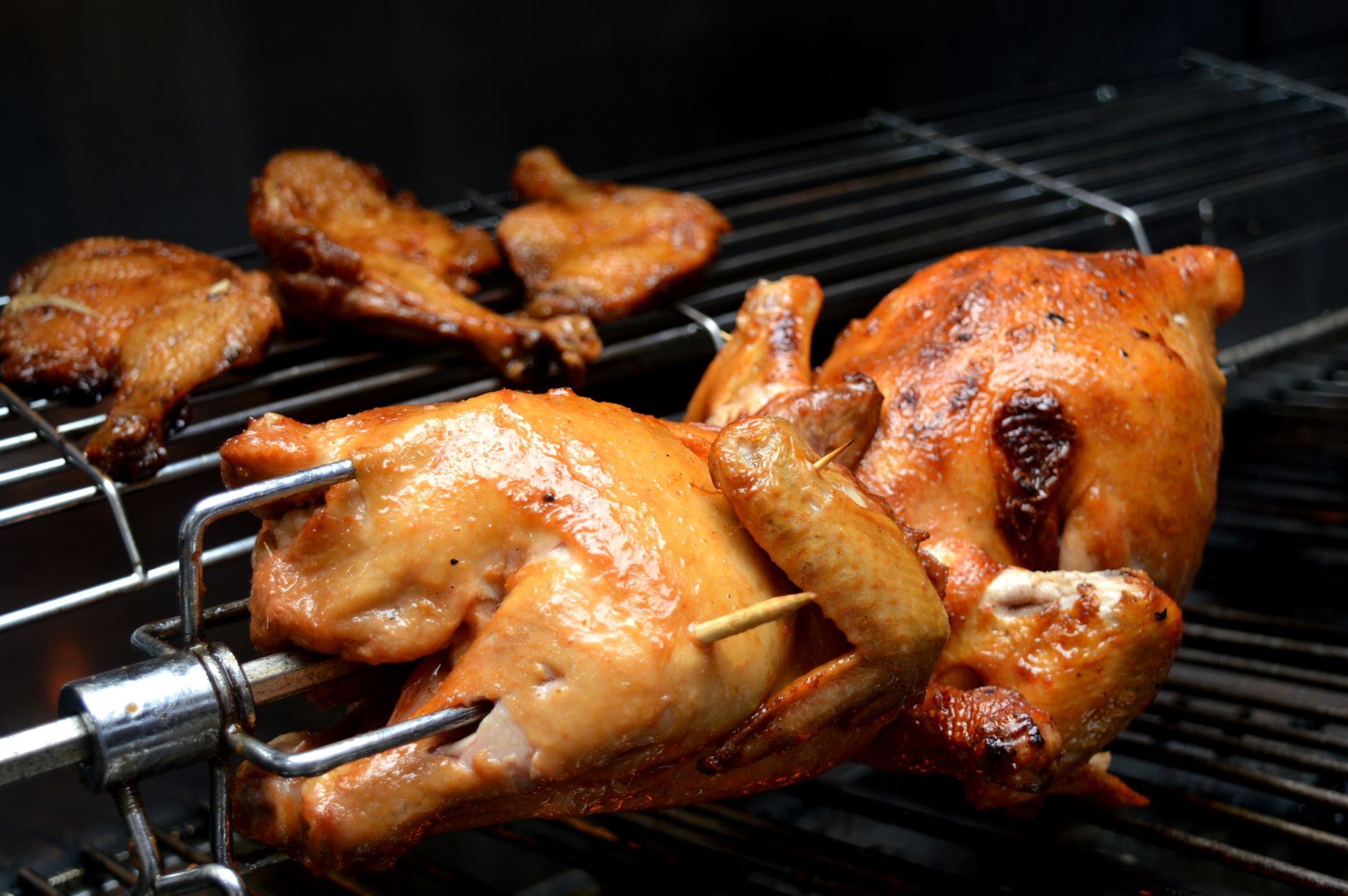
Cooking a whole chicken in the oven is a simple yet rewarding endeavor that results in a succulent dish that can be enjoyed in various meals. In this guide, we will explore essence of roasting chicken, including how to season it, which techniques yield the best results, and cooking times that ensure juicy and flavorful meat.
Whether you’re hosting a family dinner, meal-prepping for the week, or simply craving a hearty chicken, roasting a whole chicken is a great choice. The process allows for flexibility in seasoning and provides the opportunity to use the leftovers creatively in subsequent meals.
How Do You Cook A Whole Chicken In The Oven?
To cook a whole chicken in the oven, start by prepping the chicken, seasoning it, and roasting it at the right temperature. It typically requires around 1.5 to 2 hours, depending on the chicken’s size and your oven. The key is achieving a golden, crispy skin while keeping the meat tender and juicy.
Preparing the Whole Chicken
Before starting to roast your chicken, it’s essential to gather all your ingredients and tools. Below are the necessary requirements for a successful roast.
Ingredients
- 1 whole chicken (around 4-5 pounds)
- 2 tablespoons olive oil or melted butter
- Salt (about 1 tablespoon)
- Black pepper (to taste)
- 1 lemon, halved
- 4-6 garlic cloves, crushed (optional)
- Fresh herbs like thyme or rosemary (optional)
Essential Equipment
- Roasting pan or a baking dish
- Meat thermometer
- Basting brush (if using oil or butter)
- Sharp knife or kitchen shears
- Cutting board
Step-by-Step Guide to Roasting a Whole Chicken
Now that you have everything prepared, follow these steps for a delicious roasted chicken.
- Preheat your oven: Set your oven temperature to 425°F (220°C). This initial high temperature helps achieve crispy skin.
- Prepare the chicken: Remove the chicken from its packaging, and take out any giblets if included. Pat the chicken dry with paper towels; this is crucial for achieving crispy skin.
- Season the chicken: Drizzle olive oil or melted butter all over the chicken. Use your hands to rub it into the meat, ensuring even coverage. Generously sprinkle salt and black pepper over the outside and inside of the cavity.
- Add aromatics: Stuff the cavity with lemon halves, garlic cloves, and fresh herbs if using. This infuses flavor during cooking.
- Truss the chicken (optional): Tying the legs together with kitchen twine helps cook it evenly. This step is not mandatory but can yield better results.
- Place in the roasting pan: Position the chicken breast-side up in the roasting pan. This allows the juices to flow down into the breast meat.
- Roast the chicken: Insert the chicken into the preheated oven. Roast at 425°F (220°C) for about 1 hour to 1 hour and 15 minutes, depending on the size of the chicken.
- Check the doneness: Use a meat thermometer inserted into the thickest part of the thigh, without touching the bone. It should read 165°F (75°C). If it’s not there yet, continue cooking and check every 10 minutes.
- Let it rest: Once fully cooked, remove the chicken from the oven and let it rest for at least 10-15 minutes. This allows the juices to redistribute.
- Carve and serve: Use a sharp knife to carve the chicken into portions. Serve immediately with your favorite sides. Enjoy!
Tips for Perfectly Roasted Chicken
While roasting chicken is straightforward, several tips can help elevate your dish.
Thawing the Chicken
If your chicken is frozen, make sure to thaw it in the refrigerator for 24 hours per 5 pounds or use the cold water method to thaw it faster. Never leave chicken at room temperature to thaw, as it increases the risk of bacterial growth.
Brining the Chicken
A brine can enhance flavor and moisture. Consider soaking the chicken in a simple brine solution (water, salt, and sugar) for a few hours or overnight before roasting. There are many chicken brine recipes available to try.
Seasoning Variations
Feel free to experiment with spices and herbs. Paprika, onion powder, or Italian herbs can add different flavor profiles. A citrus or herb-based marinade can add an exciting twist.
Using a Roasting Rack
If you have a roasting rack, use it to elevate the chicken. This allows hot air to circulate, promoting even cooking and a crisper skin.
Basting the Chicken
Basting the chicken with its own juices or added marinade during roasting can enhance flavor and moisture. However, be cautious not to open the oven too frequently, as this loses heat.
Leftover Utilization
Leftover roasted chicken can be used in numerous dishes, such as salads, sandwiches, tacos, or soups. It can be shredded and stored in the freezer for future meals.
Common Mistakes to Avoid
Here are some pitfalls to watch out for when cooking a whole chicken:
- Not resting the chicken: Skipping the resting time can lead to dry meat, as cutting too soon lets the juices escape.
- Overcooking: Monitoring the cooking time is crucial. Help prevent dryness by using a meat thermometer.
- Cooking with a dirty oven: A dirty oven can impart unwanted flavors. Always be sure your oven is clean before roasting.
Storing and Reheating Leftovers
Proper storage and reheating techniques can help keep your roasted chicken safe and delicious.
Storing
Once cooled, leftover chicken should be stored in an airtight container in the refrigerator. It can last for 3 to 4 days. To extend its lifespan further, wrap portions tightly in foil or freezer bags and freeze for up to 4 months.
Reheating
When reheating, ensure the chicken reaches an internal temperature of 165°F (75°C). This can be done in the oven at 350°F (175°C) until heated through, or in the microwave in intervals, checking frequently to avoid overcooking.
Serving Suggestions
Roasted chicken pairs beautifully with a variety of sides. Here are a few delicious options:
- Roasted vegetables: Carrots, potatoes, and Brussels sprouts complement the savory flavors.
- Salads: A crisp green salad is refreshing and balances the meal.
- Rice or quinoa: These can soak up juices and enhance the meal’s heartiness.
- Bread: Fresh baked bread is perfect for soaking up the flavorful juices.
Variations on Roasted Chicken
Consider trying out these variations for diversity:
- Beer Can Chicken: This involves placing a half-full can of beer inside the chicken while it roasts, which adds moisture and flavor. Check out a detailed beer can chicken recipe for instructions.
- Spatchcock Chicken: Removing the backbone allows the chicken to lay flat, which results in quicker and more even cooking.
- Stuffed Chicken: Fill the cavity with stuffing made from bread, herbs, and vegetables for added flavor.
Conclusion
Cooking a whole chicken in the oven is rewarding and versatile, with plenty of flavor possibilities. By following this guide, you can create a delicious centerpiece for any meal. Take your time to season well, monitor cooking temperatures, and experiment with different flavors to craft a dish that suits your taste and impresses your guests.
Explore related recipes, cooking tips, or food guides for your next culinary adventure! Check out our Beer Can Chicken Recipe and Chicken Brine Recipe for new ways to enjoy chicken.