
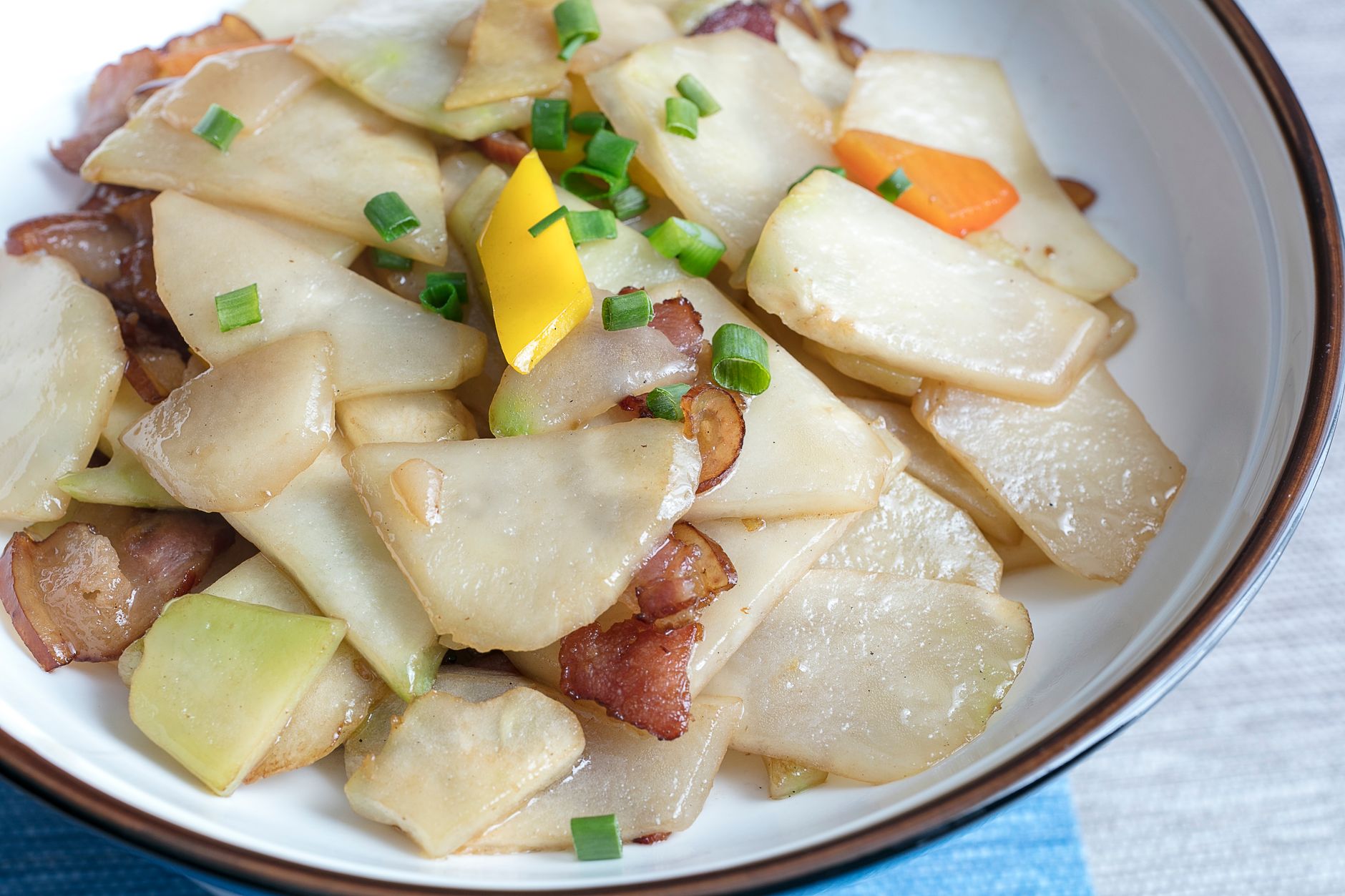
Turnips are versatile root vegetables that can elevate many dishes with their unique flavor and texture. Cooking a turnip can be a simple and rewarding experience, whether you roast, boil, mash, or sauté them. This guide will delve into various cooking methods, preparation tips, and serving ideas to help you enjoy this often-overlooked vegetable.
With a slightly peppery and sweet taste, turnips offer a delightful crunch when raw and a creamy consistency when cooked. They are excellent for both savory and sweet dishes, making them a valuable addition to any kitchen. Let’s explore how to cook a turnip effectively, covering everything from preparation to serving suggestions.
How Do You Cook a Turnip?
To cook a turnip, you can choose from several methods, including boiling, roasting, mashing, and sautéing. Each method imparts different flavors and textures, depending on your preference and intended dish. Here’s a breakdown to guide you through the cooking process.
Choosing and Preparing Turnips
When selecting turnips, look for firm, smooth-skinned bulbs without blemishes or soft spots. Small to medium-sized turnips are generally sweeter and more tender than larger ones. To prepare your turnips for cooking, follow these steps:
- Wash the turnips thoroughly under running water to remove any dirt.
- Peel the skin using a vegetable peeler or paring knife. If the turnips are young and tender, you may leave the skin on for added texture.
- Cut the turnips into even-sized pieces to ensure they cook evenly. Depending on the cooking method, you can slice, dice, or cube them.
Cooking Methods for Turnips
1. Boiling Turnips
Boiling is one of the simplest methods for cooking turnips. This technique softens the turnips and brings out their natural sweetness.
Ingredients:
- 3-4 medium turnips
- Salt (to taste)
- Water
Instructions:
- Fill a large pot with water and add a pinch of salt.
- Bring the water to a boil over medium-high heat.
- Add the prepared turnip pieces to the boiling water.
- Cook for about 15-20 minutes or until tender. You can check doneness by piercing a piece with a fork; it should easily slide through.
- Drain the turnips and serve them as is, or mash them with butter and seasoning for added flavor.
2. Roasting Turnips
Roasting enhances the natural flavors of turnips, adding a delightful caramelization. This method requires a bit more time but results in a rich taste.
Ingredients:
- 3-4 medium turnips, cut into 1-inch cubes
- 2 tablespoons olive oil
- Salt and pepper (to taste)
- Optional: herbs like thyme or rosemary for added flavor
Instructions:
- Preheat your oven to 425°F (220°C).
- In a large mixing bowl, combine the turnip cubes with olive oil, salt, and pepper, and any herbs you choose. Toss to coat evenly.
- Spread the turnips on a baking sheet in a single layer.
- Roast in the preheated oven for 25-30 minutes, turning once halfway through, until golden brown and tender.
- Serve hot as a side dish or add to salads and grain bowls.
3. Mashing Turnips
Mashing turnips creates a creamy and flavorful side dish that pairs beautifully with meats and stews.
Ingredients:
- 3-4 medium turnips
- 2 tablespoons butter
- 1/4 cup milk or cream
- Salt and pepper (to taste)
Instructions:
- Boil the prepared turnips in salted water until tender, about 15-20 minutes.
- Drain and return them to the pot.
- Add butter and milk or cream to the pot, and mash until smooth and creamy.
- Season with salt and pepper to taste. Serve warm.
4. Sautéing Turnips
Sautéing turnips brings a different texture and flavor profile, making them a great addition to stir-fries and grain dishes.
Ingredients:
- 3-4 medium turnips, diced
- 2 tablespoons olive oil or butter
- 1 onion, diced (optional)
- Salt and pepper (to taste)
Instructions:
- Heat the olive oil or butter in a skillet over medium heat.
- Add the diced turnips and onion (if using) and sauté for about 10-15 minutes, stirring occasionally, until the turnips are tender and golden brown.
- Season with salt and pepper before serving.
Flavor Combinations and Serving Suggestions
Turnips can be paired with various flavors and ingredients to create delicious dishes. Here are some popular combinations:
- Honey and Butter: Drizzle roasted or boiled turnips with honey and toss with butter for a sweet treat.
- Garlic and Herbs: Add minced garlic and fresh herbs on sautéed turnips for a savory kick.
- Cheese: Sprinkle grated cheese like parmesan or feta over roasted turnips for a creamy topping.
- Citrus: A squeeze of lemon juice or zest can brighten the flavors of cooked turnips.
Turnips work wonderfully as a side dish for roasted meats or as an ingredient in stews and soups. They can also be incorporated into casseroles or served alongside grains such as quinoa or rice for a hearty meal.
Common Mistakes to Avoid
Cooking turnips is generally straightforward, but there are some common pitfalls to be aware of:
- Overcooking: Be cautious not to overcook turnips, as they can become mushy and lose flavor. Keep an eye on cooking times.
- Neglecting Peeling: While younger turnips can have tender skin, older ones may have a tougher texture. Always peel older turnips for a more pleasant eating experience.
- Ignoring Seasoning: Turnips can be bland if not seasoned appropriately. Don’t forget to add salt, herbs, and spices!
Storage and Reheating Tips
Properly storing leftover cooked turnips can help retain their flavor and freshness:
- Store cooked turnips in an airtight container in the refrigerator for up to 3-4 days.
- You can also freeze turnips; they should be blanched first to preserve texture and flavor. After blanching, cool, and store them in freezer-safe bags.
- To reheat cooked turnips, use the microwave or warm them in a skillet with a splash of water or broth to restore moisture.
Turnip Variations and Substitutions
If you find yourself without turnips, there are several suitable substitutes:
- Rutabaga: Similar in texture but sweeter than turnips, rutabagas can be used in most recipes calling for turnips.
- Parsnips: With a sweeter flavor and creamy texture, parsnips work well in mashes or roasts.
- Carrots: Although sweeter, carrots can add a different taste profile while providing excellent color and nutrition.
Each substitute will bring a unique taste, so adjust seasonings accordingly. Cooking times may vary slightly depending on the chosen alternative.
Summary and Next Steps
Cooking turnips can be an enjoyable culinary experience as you explore different methods and flavor combinations. Whether boiling, roasting, or mashing, turnips can complement a variety of meals. Consider experimenting with seasoning variations and combining them with other ingredients.
Try incorporating turnips into your next meal for a nutritious, delicious side dish. Explore related recipes that feature root vegetables or delve into other cooking techniques to expand your culinary repertoire.