
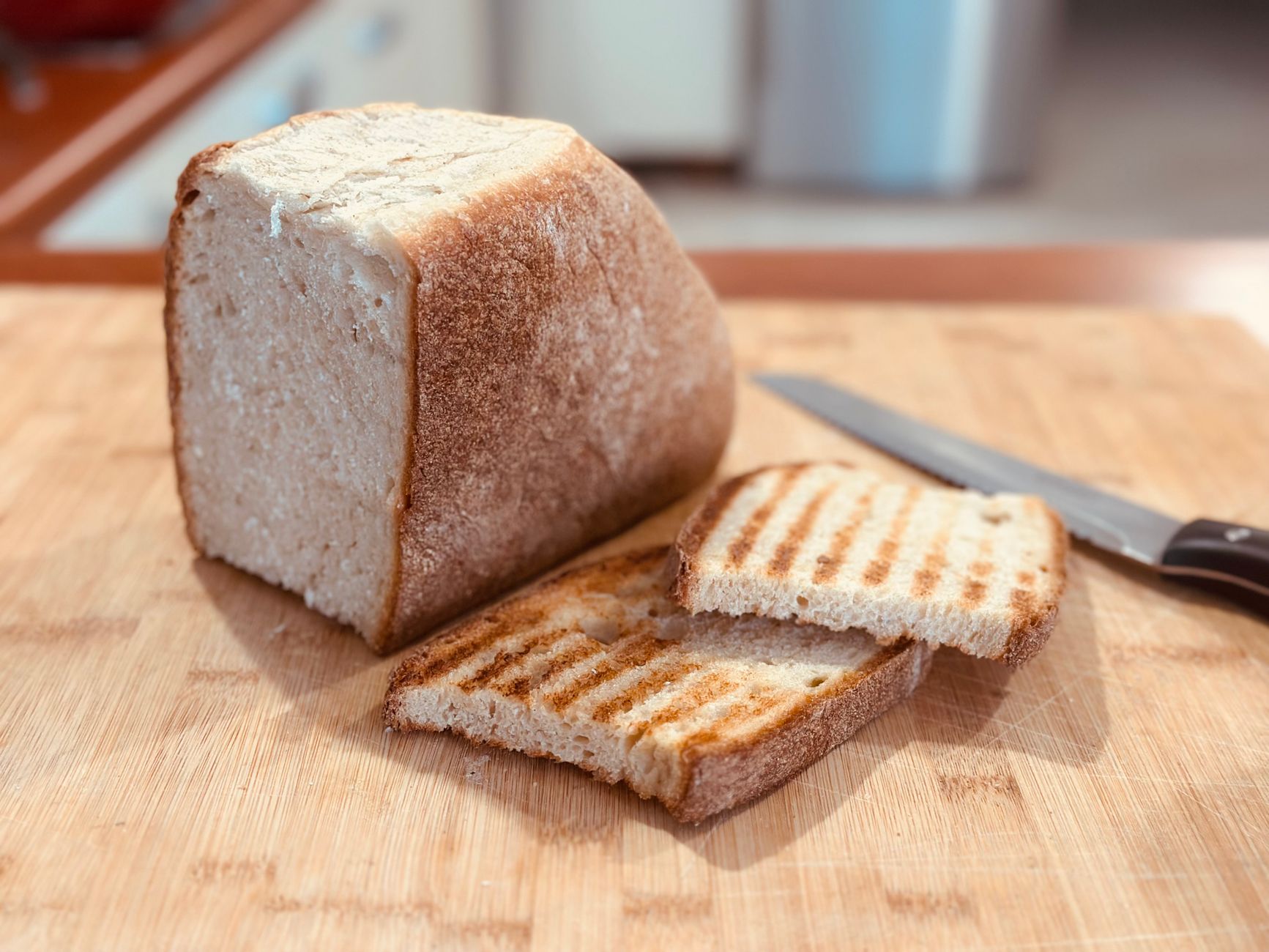
Sourdough bread is celebrated for its unique, tangy flavor and chewy texture. For many bakers, achieving that perfect sour note is the ultimate goal. Understanding how to influence the sourness of your sourdough can greatly elevate the overall flavor profile. This article explores various methods to enhance the sourness of your sourdough bread, ensuring delicious loaves every time.
Whether you’re aiming to impress at a dinner party or simply enjoy a more flavorful slice at breakfast, learning how to manipulate the fermentation process will help you achieve that intense sour taste you desire. This guide dives into techniques, ingredient choices, and environmental factors that affect sourness in sourdough.
How Do I Make My Sourdough More Sour?
To make your sourdough bread more sour, you can adjust several factors including hydration levels, fermentation time, starter maintenance, and specific ingredients. By experimenting with these elements, bakers can significantly influence the level of acidity and flavor in their bread.
Understanding Acidity in Sourdough
Acidity in sourdough comes from the naturally occurring lactic and acetic acids produced by the fermentation of the starter culture. This process is influenced by various factors:
- Starter culture: The balance between lactic acid bacteria (LAB) and yeasts present in your starter determines the flavor profile.
- Fermentation time: Longer fermentation times generally result in a more sour flavor.
- Hydration levels: Higher hydration can enhance the production of certain acids and affect texture.
- Temperature: Warmer temperatures can accelerate fermentation, affecting sourness.
Tips for Increasing Sourness
1. Use a Stronger Starter
To produce more sour flavors, start with a well-developed, mature starter. A strong starter will have a higher concentration of lactic acid bacteria. Here’s how to encourage the growth of these beneficial microbes:
- Feed your starter: Regularly feeding your starter helps promote healthy growth. Use equal parts flour and water for feeding, and ensure you discard half before each feeding.
- Use whole-grain flours: Incorporating whole wheat or rye flour can enhance the flavor because these flours contain more nutrients for the bacteria.
- Storage conditions: Store your starter at room temperature for more active fermentation. You can switch back to the refrigerator for storage when you’re not baking.
2. Prolong the Fermentation Time
Extended fermentation times lead to increased sourness due to more acidic by-products:
- Bulk fermentation: Allow the dough to ferment longer during the bulk stage before shaping. This can be anywhere from 4 to 12 hours depending on the temperature.
- Cold fermentation: After shaping, place your dough in the refrigerator for an overnight cold fermentation. This can enhance flavor development and result in a tangier bread.
3. Adjust Hydration Levels
Increasing the water content in your dough can also increase the sourness. Here’s how hydration interacts with sourdough:
- High hydration doughs: Doughs with higher water ratios can create a more open crumb structure, which can accentuate sour flavors.
- Experimentation: Start with small increments and observe how it affects the sourness and texture of your bread.
4. Increase the Temperature
Temperature plays a significant role in fermentation speed and microbial activity:
- Warm environment: Keeping your dough in a warmer location (around 78°F to 82°F) can promote faster fermentation. However, monitor it closely to avoid over-fermentation.
- Hot water starter: Adding warm water when feeding your starter can kickstart the fermentation process, but be careful not to shock the bacteria with overly hot water.
5. Use a Preferment Method
Incorporating a preferment such as a poolish or biga can add complexity to your bread’s flavor:
- Poolish: This mixture of equal parts flour and water with a small amount of starter, left to ferment for several hours, enhances the sour flavor.
- Biga: This Italian method uses a stiff starter that ferments slowly, resulting in a more pronounced sourness due to its long fermentation and lower hydration.
6. Additions to Enhance Sourness
Other ingredients can support a tangier flavor in your sourdough:
- Using vinegar or lemon juice: Adding a small amount (1-2 teaspoons) of vinegar or lemon juice to your dough can enhance the perceived sourness. But use sparingly as too much can affect texture.
- Adding sourdough flavor enhancers: Store-bought flavoring powders designed for sourdough can also complement the fermentation process.
Common Mistakes and Troubleshooting
While trying to make your sourdough sourer, you may run into issues. Here are some common mistakes and how to troubleshoot:
1. Over-fermentation
Allowing dough to ferment too long can lead to a very sour bread alongside undesirable textures:
- Monitor your dough regularly for signs of over-proofing, such as a loss of volume and a sour smell.
- If you notice signs of over-fermentation, consider reducing the fermentation time next time.
2. Inconsistent Starter Activity
A starter that is not consistently feeding may lead to unpredictability in sourness:
- Readjust your feeding schedule and try to maintain consistent temperatures.
- If your starter becomes sluggish, increase the feeding frequency for a short period.
3. Wrong Baking Temperature
Baking at incorrect temperatures can affect the final flavor:
- Baking too hot can lead to a crust that masks the sour flavors. Make sure to bake at the recommended temperature (around 450°F to 475°F).
- Using a baking stone or Dutch oven can help achieve the best crust and overall flavor.
Recipe for Sourdough Bread with Enhanced Sourness
Below is a straightforward recipe that incorporates some of the discussed techniques to yield a notably sour sourdough bread.
Yield: 1 loaf
Preparation Time: 1 hour (excluding fermentation time)
Baking Time: 45 minutes
Total Time: 12-14 hours (including fermentation)
Ingredients
- 1 cup active sourdough starter
- 1 ½ cups all-purpose flour
- 1 cup whole wheat flour
- 1 ¼ cups water (at room temperature)
- 1 ½ teaspoons salt
Essential Equipment
- Mixing bowl
- Wooden spoon or dough whisk
- Bench scraper
- Dutch oven (or baking stone)
- Lame or sharp knife for scoring
Step-by-Step Method
- Mix the Ingredients: In a large mixing bowl, combine the active sourdough starter and water. Stir until dissolved.
- Add Flour and Salt: Gradually add the all-purpose and whole wheat flours to the starter mixture. Add salt last. Mix until a shaggy dough forms.
- Autolyse: Allow the dough to rest for 30 minutes. This hydrates the flour and begins gluten development.
- Bulk Fermentation: Cover the bowl with a damp cloth, and let it ferment in a warm place for 4 to 12 hours. Perform stretch and folds every 30 minutes for the first 2 hours.
- Pre-shape: Once bulk fermentation is complete, turn the dough onto a lightly floured surface. Gently shape into a round loaf and let it rest for 30 minutes.
- Shape the Dough: After resting, shape the loaf into your desired form. Place it seam side up in a well-floured proofing basket.
- Final Proof: Cover the dough and let it proof for another 2 to 4 hours at room temperature, or overnight in the refrigerator for enhanced flavor.
- Preheat the Oven: About 30 minutes before baking, preheat your oven to 450°F. If using a Dutch oven, place it inside to heat up.
- Score and Bake: Once preheated, carefully remove the Dutch oven. Place the dough inside, score with a lame, cover, and bake for 30 minutes. Remove the lid and bake for an additional 15 minutes until golden brown.
- Cool: Transfer the bread to a wire rack to cool before slicing. This is important for the flavor and texture to fully develop.
Storing and Reheating Sourdough
Proper storage is crucial for maintaining the flavor and texture of your sourdough:
- Short-term storage: Store the bread wrapped in a bread bag or a clean kitchen towel at room temperature. It will keep for about 2-3 days.
- Long-term storage: For longer storage, slice the bread and freeze it in an airtight bag. Reheat slices in a toaster or a hot oven for the best taste.
Exploring Variations to Enhance Flavor
If you’re feeling adventurous, consider trying different flours or add-ins that can boost flavor complexity:
- Experiment with different grain flours: Adding spelt or Einkorn flour can add unique flavors.
- Add ingredients: Nuts, seeds, olives, or dry fruits can also elevate the overall flavor when you’re aiming for more depth.
With practice and experimentation, you can tweak these techniques to create a sourdough that meets your taste preferences. Enjoy using your new knowledge as you create increasingly sour loaves!
Explore more sourdough techniques in our King Arthur Sourdough Recipe and try a nutritious loaf with the Einkorn Sourdough Bread Recipe.