
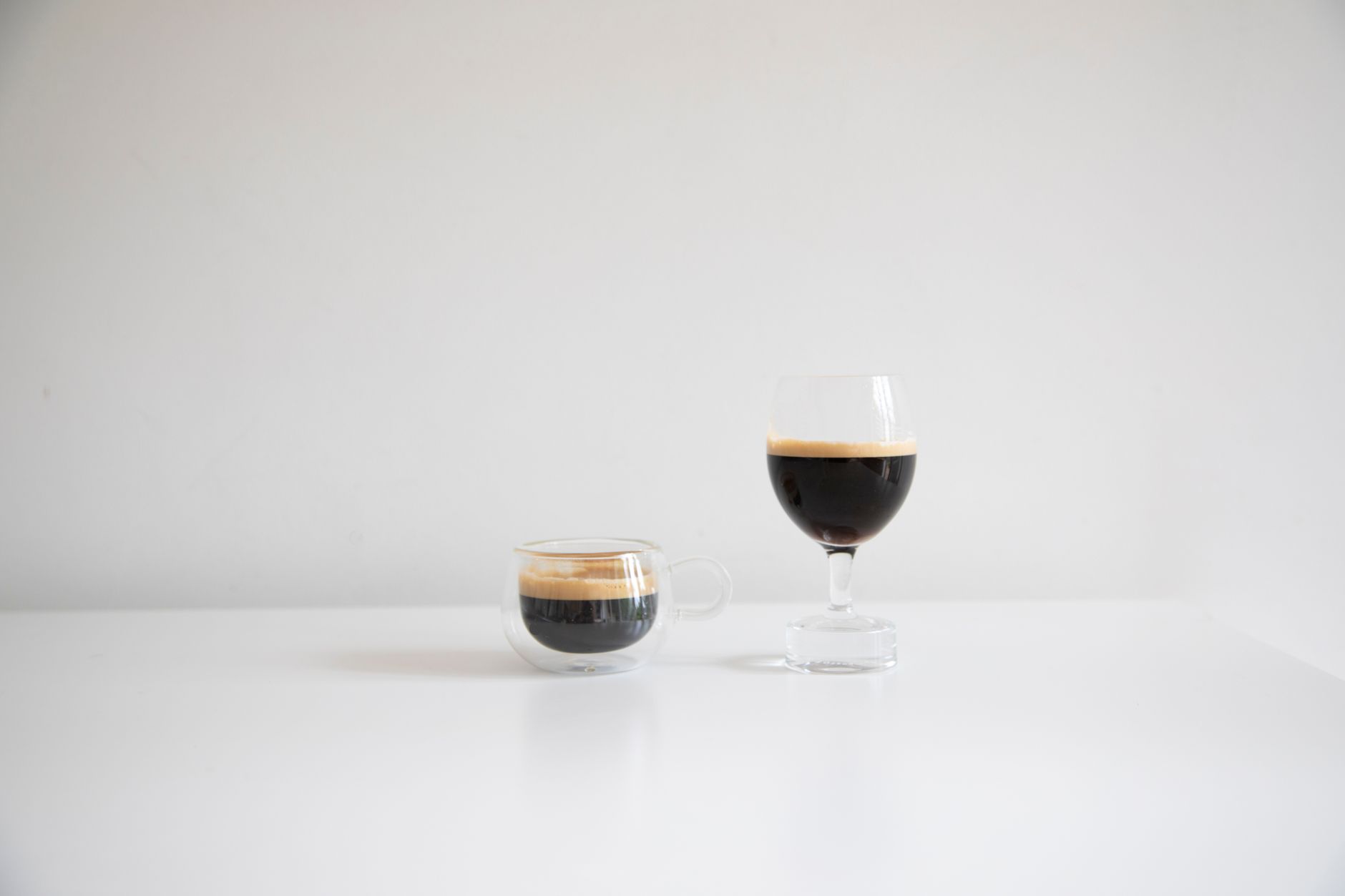
The espresso shot is a fundamental element of coffee culture, loved for its rich flavor and energizing properties. Many coffee enthusiasts are curious about how big a shot of espresso actually is, as its size influences the flavor and intensity of the drink. This article will explore the standard shot size, its variations, and everything you need to know about espresso servings.
Whether you’re an espresso aficionado, a home barista, or new to the world of coffee, understanding the size of an espresso shot is key to perfecting your brewing technique and recipe creations. Let’s delve into the details of espresso shot sizes, their characteristics, and how they fit into different coffee beverages.
How Big Is a Shot of Espresso?
A standard shot of espresso is typically about 1 ounce (30 milliliters) in volume. This small serving size is packed with concentrated flavor, resulting in a rich and robust coffee experience. However, there are different types and sizes of espresso shots, which can vary, especially based on the preparation methods and coffee culture traditions.
Understanding Espresso Shots: Types and Sizes
Espresso shots can vary in volume, strength, and extraction time. Here’s a closer look at the different types:
1. Single Shot
- Volume: 1 ounce (30 mL)
- Extraction Time: 25 to 30 seconds
A single shot is the standard espresso serving. It’s brewed using about 7-9 grams of finely ground coffee and yields a concentrated beverage filled with crema, the golden foam that forms on the surface.
2. Double Shot
- Volume: 2 ounces (60 mL)
- Extraction Time: 25 to 30 seconds
Also known as a “doppio,” the double shot is the most common size served in coffee shops today. It uses approximately 14-18 grams of coffee, providing a bolder flavor and more caffeine than a single shot.
3. Ristretto
- Volume: 0.75 ounces (22 mL)
- Extraction Time: 15 to 20 seconds
The ristretto is a “short shot” of espresso made with the same amount of coffee but extracted with less water. This results in a sweeter, more concentrated flavor and a slightly thicker texture.
4. Lungo
- Volume: 2 ounces (60 mL) or more
- Extraction Time: 40 to 50 seconds
Translating to “long” in Italian, a lungo is brewed with more water, resulting in a larger shot that has a different flavor profile. It has a more bitter taste due to over-extraction and is less concentrated than a standard shot.
5. Espresso Macchiato
- Volume: 1 ounce (30 mL) plus a dollop of milk foam
Macchiato means marked, referring to the small amount of foam that adorns the espresso. It’s typically served as a single shot with the foam adding a touch of creaminess while retaining the bold flavor of the espresso.
Factors Affecting the Size of an Espresso Shot
The size of an espresso shot can be influenced by several factors, including the grind of the coffee, the pressure applied during brewing, and the extraction time. Understanding these aspects can enhance your espresso-making skills:
1. Grind Size
The coffee beans need to be finely ground for espresso to achieve the right extraction. If the grind is too coarse, the water will flow too quickly, leading to under-extraction. If it’s too fine, it may result in over-extraction and bitterness.
2. Brewing Pressure
Espresso is brewed under high pressure—typically between 9 to 10 bars (130 to 145 psi). This pressure is crucial for extracting the oils and flavors from the coffee, impacting both the taste and quality of the shot.
3. Extraction Time
The extraction time affects what flavors are pulled from the coffee grounds. A well-timed shot (25-30 seconds) will yield a balanced shot, while shots extracted too quickly or too slowly can lead to undesirable flavors.
Perfecting Your Espresso Shot: Equipment and Technique
To brew a great shot of espresso, having the right equipment and technique is essential. Consider the following:
Essential Equipment
- Espresso machine
- Grinder (burr grinder recommended)
- Tamper (for compressing the coffee grounds)
- Scale (for measuring coffee and water accurately)
- Fresh coffee beans
Step-by-Step Method to Brew Espresso
- Measure the Coffee: Use 7-9 grams of coffee for a single shot or 14-18 grams for a double shot.
- Grind the Coffee: Grind the beans to a fine consistency, similar to table salt.
- Pack the Coffee: Place the ground coffee into the portafilter and evenly distribute it before tamping it down firmly.
- Preheat the Machine: Ensure the espresso machine is heated and properly calibrated.
- Start Extraction: Attach the portafilter, start the extraction, and monitor the time. Aim for an extraction of 25-30 seconds.
- Observe the Flow: The espresso should flow smoothly and create a rich crema on top.
- Taste and Adjust: After brewing, taste the espresso and adjust the grind size, tamping pressure, or extraction time as necessary.
Common Mistakes in Brewing Espresso
Here are some typical errors and how to avoid them:
- Incorrect Grind Size: If your espresso tastes sour or under-extracted, it may be due to a coarse grind. Aim for a finer grind for better extraction.
- Improper Tamping: Not applying consistent pressure can lead to uneven extraction; always tamp evenly and firmly.
- Water Temperature: Ideal brewing temperature is around 195°F to 205°F (90°C to 96°C). Too hot can scorch the coffee, too cold can under-extract it.
- Inconsistent Measurements: Always weigh your coffee and water to maintain consistency. A scale is a valuable tool.
Serving Sizes and Espresso-Based Drinks
Espresso is the foundation for many popular coffee drinks, and knowing the typical sizes can help you choose the right serving. Here are some common espresso-based drinks and their sizes:
| Drink | Espresso Shots | Approx. Volume |
|---|---|---|
| Americano | 1-2 | 8-12 ounces |
| Latte | 1-2 | 8-16 ounces |
| Cappuccino | 1-2 | 6-12 ounces |
| Flat White | 1-2 | 6-8 ounces |
| Mocha | 1-2 | 8-16 ounces |
Espresso and Caffeine Content
Espresso is often perceived as a coffee with high caffeine content, but it’s essential to understand how it compares to other coffee drinks. Here’s a breakdown:
- Single Shot of Espresso: Approximately 63 mg of caffeine
- Double Shot of Espresso: Approximately 126 mg of caffeine
- Caffeinated Brewed Coffee (8 oz): Approximately 95 mg of caffeine
While espresso has more caffeine per ounce, a typical serving of brewed coffee is larger and may contain more caffeine overall.
Making Your Own Espresso at Home
Creating the perfect espresso at home can be an enjoyable and rewarding process. Here are some tips to get started:
- Invest in a good espresso machine with a quality grinder.
- Use freshly roasted beans, preferably within two weeks of roasting.
- Practice your technique regularly to develop your skills in grinding, tamping, and extracting.
- Experiment with different coffee beans to discover your preferred flavors and profiles.
Additionally, consider maintaining a routine cleaning schedule for your equipment to ensure optimal performance and flavor.
Storing Espresso Beans
Proper storage of your espresso beans is crucial for preserving flavor. Follow these guidelines:
- Keep beans in an airtight container to avoid exposure to moisture and air.
- Store in a cool, dark place away from light and heat sources.
- Avoid refrigeration or freezing, as this can introduce moisture and alter flavors.
Final Thoughts on Espresso Size
Understanding the size of an espresso shot is vital for coffee enthusiasts looking to enjoy this rich beverage to its fullest. Whether you prefer a single shot, a double, or experimenting with various espresso types, mastering the art of espresso brewing will enhance your coffee experience. Practice, patience, and an appreciation for the subtleties of coffee will serve you well on your espresso journey.
Ready to try a new coffee recipe? You might enjoy exploring the refreshing espresso tonic recipe or the iced Americano recipe for a cool twist on your favorite coffee drinks!