
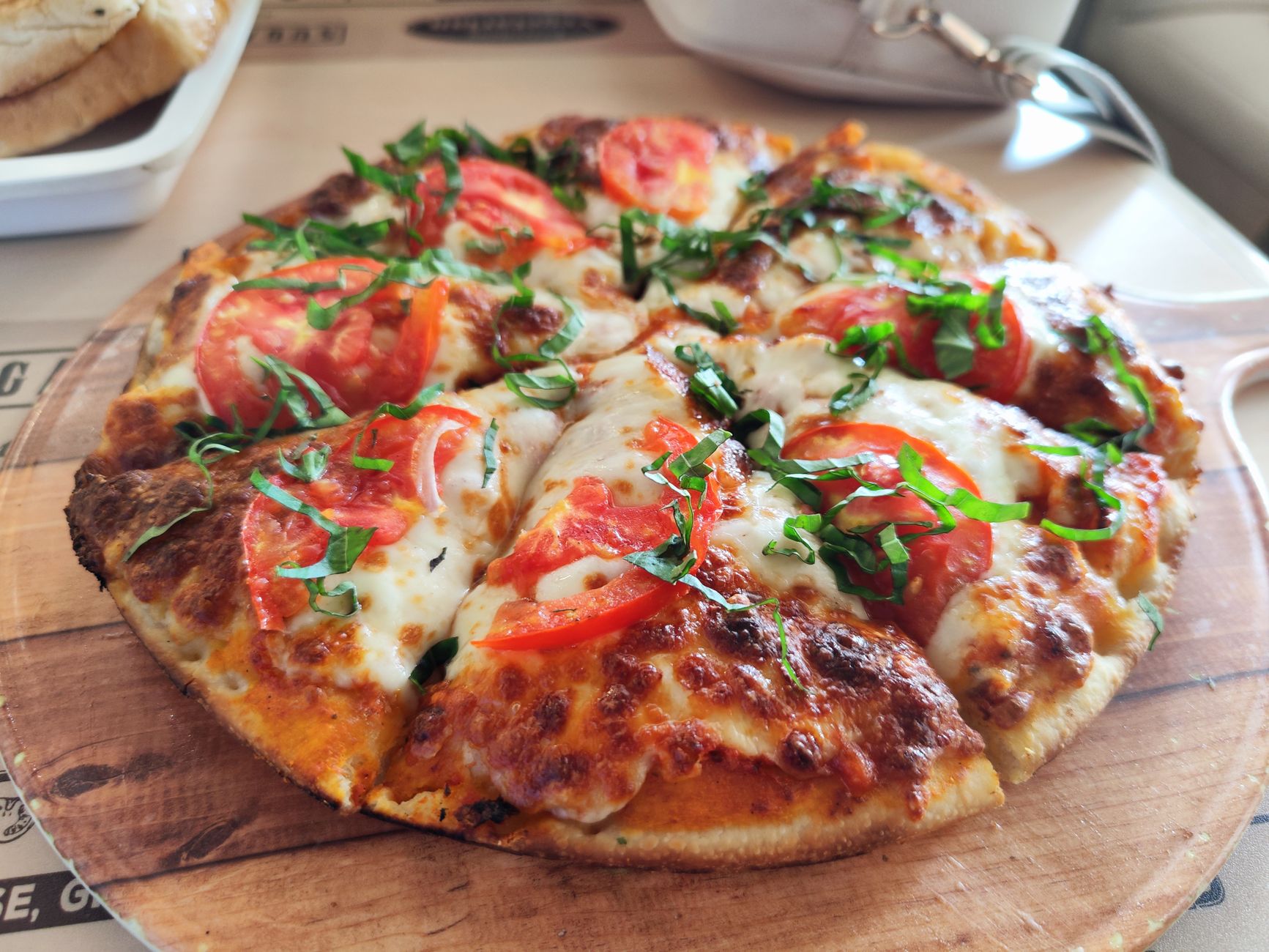
When ordering pizza, you might wonder about the size options available. A 10-inch pizza is a popular choice, but just how big is it? Understanding the size and serving capacity of a 10-inch pizza can help you decide whether it’s the right option for your meal. Whether you’re feeding one or a small group, knowing the dimensions will guide your choice.
This article delves into the specifics of a 10-inch pizza, including its dimensions, serving sizes, comparisons with other pizza sizes, and factors influencing how many people it feeds. Plus, we’ll cover some tips for making or ordering pizza that suits your needs.
How Big Is A 10 Inch Pizza?
A 10-inch pizza has a diameter of 10 inches, which translates to approximately 78.5 square inches of surface area. This size makes it suitable for 1 to 3 people, depending on their appetite and whether it’s served as a main meal or part of a larger spread. The thickness of the crust can also affect the number of slices you can get from it.
Understanding Pizza Sizes
Pizzas come in various sizes, typically categorized by their diameter. Common sizes include:
- Personal (6-8 inches)
- Small (10-12 inches)
- Medium (12-14 inches)
- Large (14-16 inches)
- Extra Large (16-18 inches and up)
A 10-inch pizza fits into the “small” category and is perfect for individual dining or sharing with one or two people, especially if accompanying sides or appetizers.
How Many Slices Are in a 10 Inch Pizza?
The number of slices you can expect from a 10-inch pizza largely depends on how it’s cut. Generally, a 10-inch pizza can be sliced into 6 to 8 pieces. Here’s a breakdown of potential configurations:
- 6 slices: Each slice would be a larger portion, great for those with bigger appetites.
- 8 slices: This is more typical and allows for a moderate serving size.
Visualizing the Size of a 10 Inch Pizza
To give you a better idea of the size, consider common objects that might help visualize a 10-inch pizza:
- A standard dinner plate is usually about 10-11 inches in diameter.
- A large dinner tray or serving platter can also help you visualize the circumference.
Pizzas are circular, so when thinking about size, consider the whole diameter, which influences how many toppings you can comfortably fit.
Comparing Sizes: 10 Inch vs. Other Pizza Sizes
To put the 10-inch pizza in context with other common sizes, here’s a comparison chart:
| Size | Diameter (inches) | Approximate Area (sq. inches) | Servings |
|---|---|---|---|
| Personal | 6-8 | 28-50 | 1 |
| 10 inch | 10 | 78.5 | 1-3 |
| Medium | 12 | 113 | 3-4 |
| Large | 14 | 154 | 4-5 |
| Extra Large | 16 | 201 | 5-6 |
This comparison shows how the size of a 10-inch pizza fits among other options. If you have a larger group or want leftovers, considering a medium or large pizza might be better.
Factors Affecting Portion Sizes
While the 10-inch pizza typically serves 1 to 3 people, several factors can influence how many slices will be consumed:
- Appetite: Some people might be satisfied with just a couple of slices, while others may desire more.
- Accompaniments: If serving sides like salad or breadsticks, guests may eat less pizza.
- Crust Thickness: Thicker crusts can feel more filling, whereas thinner crusts might lead to more slices being consumed.
Choosing Toppings for a 10 Inch Pizza
When it comes to toppings, a 10-inch pizza provides a sufficient base for a variety of combinations. Here are some considerations:
- Customization: A personal-size pizza can be topped according to individual preferences. You may want a simple margherita with just cheese and tomatoes or loaded with various toppings.
- Balance: It’s essential to balance flavors and avoid overloading the pizza, which can lead to sogginess. Aim for 3-5 different toppings depending on size, aiming for a combination of flavors such as salty (pepperoni), sweet (pineapple), and savory (mushrooms).
Baking a 10 Inch Pizza at Home
If you’re interested in baking your 10-inch pizza, here’s a simple method to create a delicious homemade option:
Ingredients
- 1 ½ cups all-purpose flour
- 1 teaspoon instant yeast
- ½ teaspoon salt
- ½ tablespoon olive oil
- ¾ cup warm water (105-110°F)
- Your choice of toppings (sauce, cheese, vegetables, meats)
Essential Equipment
- Mixing bowl
- Measuring cups and spoons
- Rolling pin
- Pizza stone or baking sheet
- Oven
Method
- In a mixing bowl, combine the flour, yeast, and salt.
- Add the olive oil and warm water, mixing until a dough forms.
- Knead the dough on a floured surface for about 5 to 8 minutes until smooth.
- Place the dough in a greased bowl, cover it, and let it rise in a warm place for about 1 hour or until doubled in size.
- Preheat the oven to 475°F (245°C) and place your pizza stone inside to heat.
- Once risen, roll out the dough into a 10-inch round.
- Add your sauce, cheese, and desired toppings.
- Transfer the pizza to the preheated stone or a baking sheet and bake for 12-15 minutes, or until the crust is golden brown.
- Remove from the oven and let it cool for a couple of minutes before slicing and serving.
Storing and Reheating Leftover Pizza
If you have leftover pizza, proper storage will help maintain its freshness and flavor:
- Let the pizza cool to room temperature.
- Store it in an airtight container or wrap it tightly with plastic wrap or foil.
- Refrigerate. Leftover pizza can be stored in the fridge for up to 3-4 days.
To reheat, consider using an oven or skillet:
- Oven: Preheat to 375°F (190°C) and bake for about 10-15 minutes until heated through.
- Skillet: Place the slice in a skillet over medium heat for 5-8 minutes. Covering allows for even heating and melting cheese.
Common Mistakes When Ordering or Making Pizza
To make your pizza experience more enjoyable, be aware of these common pitfalls:
- Underestimating Size: Ensure a 10-inch pizza will be enough for your group, adjusting orders accordingly.
- Overloading Toppings: Too many toppings can lead to a soggy crust. Aim for a balanced combination.
- Not Preheating the Oven: Always preheat your oven for a crisp crust, especially when baking homemade pizzas.
Customizing Your Pizza to Suit Dietary Preferences
Accommodating dietary restrictions or preferences is also vital when making or ordering pizza. Here are some ways to customize:
- Gluten-Free Crust: Many restaurants now offer gluten-free crusts. Alternatively, you can make a cauliflower or chickpea crust at home.
- Vegan Options: Use non-dairy cheese and load up on vegetables for a delightful combination.
- Low-Carb Choices: Pizza bowls or crusts made from cheese and eggs can cater to low-carb diets.
When enjoying a 10-inch pizza, keep these dietary factors in mind to ensure everyone has something they can indulge in.
In summary, a 10-inch pizza is a versatile size that can cater to various dining situations, making it suitable for one person or sharing with a small group. By understanding its dimensions, the number of slices, the ideal serving sizes, and how to make it at home, you’re well-equipped to make the most of your next pizza purchase or homemade creation. Knowing how to customize your choices can significantly enhance your experience.
Explore more pizza recipes or cooking tips such as.King Arthur pizza dough and sourdough discard pizza dough to elevate your next meal plan or pizza night!