
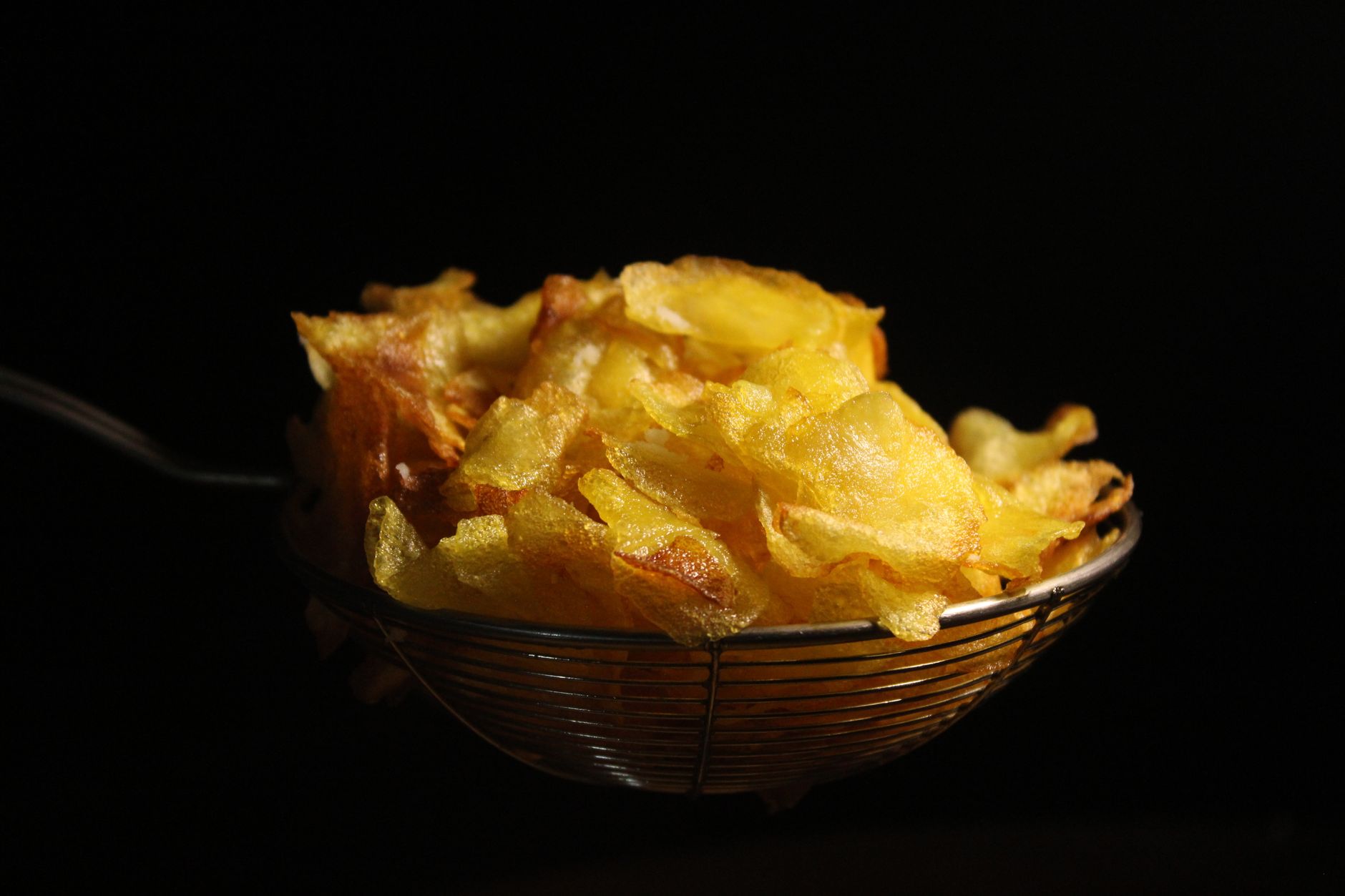
Kettle cooked chips are renowned for their crunchy texture and rich flavor, making them a popular snack choice. Understanding how these chips are made can enhance your appreciation for this delightful treat. We’ll explore the entire process from selecting the right potatoes to achieving that perfect crunch.
In this article, we will cover everything about kettle cooked chips, including what makes them unique, the ingredients involved, and even some tips for making them at home. Whether you’re a fan of store-bought chips or interested in creating your own, this guide has you covered.
How Are Kettle Cooked Chips Made?
Kettle cooked chips are made by frying potato slices in small batches at a lower temperature, resulting in a thicker, crunchier chip compared to regular potato chips. This process involves selecting quality potatoes, slicing them, and frying them in oil, creating a distinct texture and flavor profile.
The Unique Qualities of Kettle Cooked Chips
Unlike traditional potato chips that are cooked in continuous production lines, kettle cooked chips are made in batches. This method produces a thicker slice and a crunchier texture, often left with a more robust potato flavor. The frying technique seals in the potato’s natural sweetness and contributes to its golden color.
Ingredients for Kettle Cooked Chips
- Potatoes – The choice of potato is crucial; varieties with high starch content like Russet or Yukon Gold work best.
- Oil – Peanut oil or sunflower oil are often preferred due to their high smoke point and neutral flavor.
- Salt – Sea salt or kosher salt are commonly used to enhance the flavor post-frying.
Essential Equipment Needed
To make kettle cooked chips at home, gathering the following equipment will streamline the process:
- Large, heavy-bottomed pot or deep fryer for frying
- Mandoline slicer or sharp knife for cutting potatoes
- Slotted spoon or spider for removing chips from oil
- Paper towels for draining excess oil
- Thermometer to monitor oil temperature
- Mixing bowl for seasoning
Step-by-Step Process for Making Kettle Cooked Chips
- Choose the Potatoes: Select starchy potatoes such as Russet or Yukon Gold for the best flavor and texture. About 2 pounds is ideal for a large batch.
- Prepare the Potatoes: Wash the potatoes thoroughly, and then slice them into thin rounds using a mandoline or a sharp knife. Aim for a uniform thickness of about 1/8 inch to ensure even cooking.
- Rinse and Soak: Rinse the sliced potatoes under cold water to remove excess starch. Soaking them in cold water for at least 30 minutes helps prevent browning and results in a crisper chip.
- Heat the Oil: In a large pot or deep fryer, pour in enough oil to submerge the potato slices. Heat the oil over medium heat until it reaches 350°F (175°C). Use a thermometer for accuracy.
- Fry in Batches: Once the oil is hot, carefully add a batch of potato slices, ensuring not to overcrowd the pot. Fry them for about 5-7 minutes or until they achieve a golden color, stirring gently to ensure even frying.
- Drain and Season: Using a slotted spoon or spider, remove the chips from the oil and drain them on paper towels. Immediately sprinkle with salt while they are still hot to enhance flavor.
- Cool and Store: Allow the chips to cool completely before transferring them to an airtight container for storage. They are best enjoyed fresh but can last up to a week if stored properly.
Practical Tips for Perfect Kettle Cooked Chips
- Uniform Slices: Consistency in slice thickness is crucial for even cooking. A mandoline slicer is highly recommended for this.
- Temperature Management: Maintain a steady oil temperature to avoid soggy chips. If the temperature drops too low, chips will absorb more oil and become greasy.
- Batch Size: Fry in small batches to manage oil temperature and achieve the best crunch.
- Cooling Time: Allow chips to cool before storing, as moisture can cause them to become soggy.
Common Mistakes When Making Kettle Cooked Chips
Even with the right ingredients and tools, some common pitfalls can affect the final product:
- Overcrowding the frying pot, which can lower the oil’s temperature and lead to uneven cooking.
- Using potatoes that are not suitable for frying, such as waxy potatoes which result in a mushy texture.
- Insufficient soaking time, which can prevent the chips from becoming crispy.
Flavor Variations for Kettle Cooked Chips
While classic salted kettle cooked chips are delightful on their own, you can experiment with various flavors to suit your palate:
- Herb and Garlic: Mix dried herbs like rosemary or thyme with garlic powder to sprinkle after frying for an herby twist.
- Spicy Jalapeño: Add cayenne pepper or finely chopped jalapeños to your saline mix for a spicy kick.
- Cheddar Cheese: Dust with powdered cheese for a cheddar flavor after frying. Parmesan can also add a nice touch.
Serving Suggestions and Pairings
Kettle cooked chips can be enjoyed on their own or paired with various dips and accompaniments. Here are some delicious options:
- Classic ranch or onion dip
- Salsa and guacamole for a fresh twist
- Hummus for a healthy snack option
Storage and Shelf Life
To keep kettle cooked chips fresh, store them in an airtight container. They can last up to a week at room temperature but may lose their crunch. Avoid storing them in the refrigerator, as moisture can make them soggy.
Frequently Asked Questions
Can I make kettle cooked chips in advance?
While you can make kettle cooked chips ahead of time, they are best enjoyed fresh. If you must make them in advance, ensure they are stored in an airtight container to maintain some crispiness.
What oil is best for frying kettle cooked chips?
Peanut oil and sunflower oil are ideal choices due to their high smoke points and neutral flavor, allowing the potato’s taste to shine.
Can I use flavored oils for frying?
Yes, flavored oils can be used for added flavor, but make sure they have a high smoke point to avoid burning during frying.
Are kettle cooked chips healthier than regular chips?
While kettle cooked chips often contain similar ingredients as regular chips, they are typically thicker and crunchier, which many find more satisfying. However, they can still be high in calories and fat, and moderation is key.
Conclusion
Making kettle cooked chips at home allows you to customize flavors and enjoy fresh, crunchy snacks. With the right ingredients and method, you can create a delightful treat perfect for munching. So gather your potatoes, heat up the oil, and get started on your kettle cooked chip adventure!
For more culinary inspiration, check out our other articles on homemade snacks, cooking techniques, and flavorful ingredient guides.