
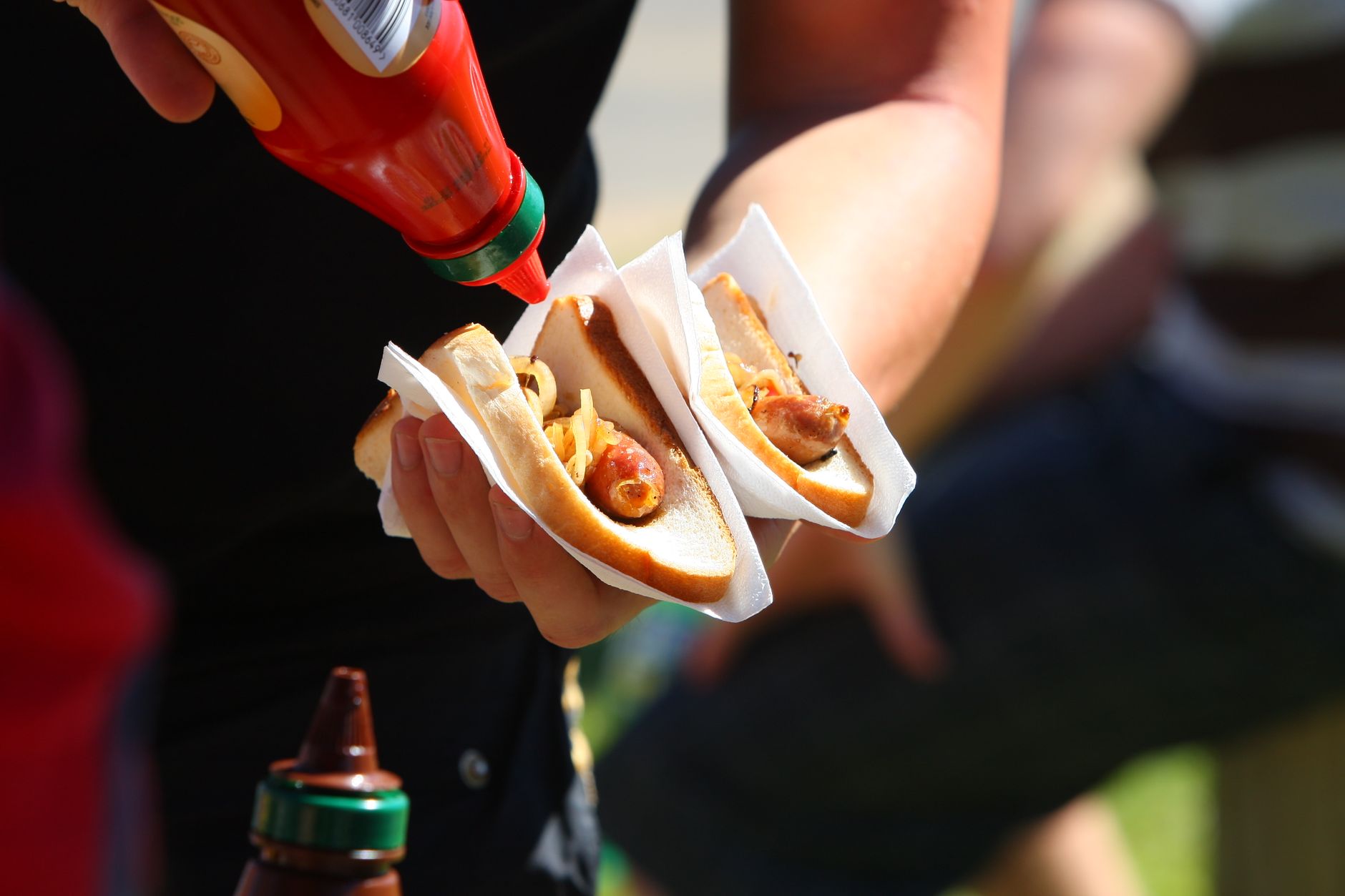
When it comes to food, few debates are as spirited as whether a hot dog qualifies as a sandwich. This casual culinary conundrum prompts passionate arguments and encourages exploration of the definitions we attach to our favorite foods. Let’s delve into the intricacies of this tasty treat, uncover its characteristics, and ultimately dissect where it fits in the world of sandwiches.
The hot dog, often characterized by its simplicity and convenience, is typically constructed with a cooked sausage placed in a sliced bun. But is this configuration considered a sandwich? To answer this question, we will examine the definitions of sandwiches, culinary cultures, various uses of hot dogs, and some creative serving ideas. So, grab your favorite frankfurter and let’s dig in!
What Makes a Hot Dog a Sandwich?
In culinary terms, a sandwich is generally defined as two slices of bread or a split roll that contains meat, cheese, or other ingredients. Based on this definition, a hot dog fits the criteria as it consists of a sausage (the meat) nestled in a bun (the bread). This section will explore various perspectives on this topic to determine if the hot dog can truly be classified as a sandwich.
Literary Definitions
The Oxford English Dictionary defines a sandwich as “an item of food consisting of two pieces of bread with filling between them.” This definition supports the idea that a hot dog is, at its core, a sandwich since it contains a meat filling placed within a bun. However, the Merriam-Webster Dictionary states that a sandwich is “two or more slices of bread or a split roll having a filling in between.” This clarification opens a discussion about the “split roll” aspect of hot dog buns.
Cultural Perspectives
Cultural context also plays a significant role in determining how we categorize food. In many regions, a hot dog is seen strictly as a standalone item, worthy of summer barbecues and street carts. In contrast, others perceive it through the lens of sandwiches due to its similar construction. This varied perception reflects the broader cultural definitions of food and identity.
Legal Definitions
Interestingly, some legal definitions have tackled this subject. In 2015, the state of New York designated the hot dog as a sandwich for tax purposes, citing its resemblance to other sandwich types. This legal standpoint serves to highlight that within some contexts, the hot dog indeed fits the sandwich definition.
The Verdict
Considering traditional definitions, cultural acceptance, and even legal classifications, we can conclude that a hot dog is, by the broadest definitions, a sandwich. However, the ongoing debate reflects the diversity of culinary traditions around the world, allowing room for both perspectives.
Historical Background of the Hot Dog
Hot dogs have an interesting history that dates back centuries. The exact origins of the frankfurter are often debated, but it is generally accepted that it was influenced by German sausages. Let’s touch upon how this delightful food item made its way into American cuisine.
European Origins
The sausage itself has roots in ancient Rome, where historians trace its origins. The term “hot dog” is believed to have originated from German immigrants who brought the practice of making sausage to the United States in the 1800s. They used names like “dachshund sausages” referring to the shape resembling the Dachshund dog.
American Popularization
By the turn of the 20th century, hot dogs gained immense popularity, particularly at baseball games and local fairs. Vendors would serve the sausages in rolls, leading to the modern hot dog we recognize today. This tradition became emblematic of American culinary culture, evolving into a staple at picnics, barbecues, and various celebrations.
Exploring Types of Hot Dogs
Hot dogs are not created equal; they come in a variety of styles, flavors, and regional interpretations. Here is a breakdown of some popular varieties that showcase the versatility of this culinary delight.
Classic Hot Dogs
- Beef Hot Dogs: Made primarily from beef, these hot dogs are rich and flavorful.
- Pork Hot Dogs: Pork gives a different taste profile, often used in combination with other meats.
- Turkey Hot Dogs: A leaner option for those looking for lower-fat alternatives.
- Veggie Hot Dogs: Plant-based hot dogs are made with soy or other meat substitutes, catering to vegan and vegetarian diets.
Regional Variations
Different regions of the United States have unique takes on the traditional hot dog. Here are some notable examples:
- Chicago Style: Topped with mustard, onions, relish, tomatoes, pickles, and sport peppers, but never ketchup!
- New York Style: Served simply with mustard and sauerkraut.
- Coney Island Style: Blanketed in a chili meat sauce, onions, and mustard.
- Sonoran Hot Dog: Wrapped in bacon and topped with pinto beans, tomatoes, onions, and mayonnaise.
Hot Dogs in Culinary Context
Hot dogs can be more than a simple meal. They offer versatility in recipes, can serve as party snacks, or even be gourmet creations! Below are ideas for various culinary contexts where hot dogs can shine.
Quick Meals and Snacks
Hot dogs are ideally suited for quick and easy meals. They can be prepared in various ways, making them a go-to option for those short on time. Here are some quick serving ideas:
- Grilled Hot Dogs: A classic approach that elevates flavor, best enjoyed at outdoor gatherings.
- Hot Dog Sandwiches: Cut the hot dog lengthwise and layer it with toppings on bread for a sandwich version.
- Chili Dogs: Top hot dogs with chili for a hearty meal.
- Mini Hot Dogs: Great for parties, serve with toothpicks and your favorite dips.
Gourmet Hot Dogs
For an upscale twist, gourmet hot dogs feature artisanal ingredients that add unique flavors. Here are some ideas to consider for creating gourmet versions:
- Truffle Hot Dogs: Drizzle with truffle oil and top with sautéed mushrooms.
- Caprese Hot Dogs: Top with fresh mozzarella, tomatoes, basil, and balsamic glaze.
- Spicy Thai Hot Dogs: Add peanut sauce, pickled vegetables, and cilantro for an Asian twist.
Cooking Techniques for Hot Dogs
Cooking hot dogs may seem simple, but various techniques can enhance their flavor and texture. Let’s explore some popular methods to get the most out of this classic dish.
Boiling
Boiling is perhaps the quickest method, ensuring hot dogs stay juicy. Fill a pot with enough water to fully submerge the hot dogs and bring to a boil. Reduce heat to a simmer and cook for 5 to 7 minutes. This method is often used for street vendors serving hot dogs and can work well in larger batches.
Grilling
Grilling imparts a smoky flavor and crisp texture. Preheat the grill on medium heat, then place hot dogs directly over the flames. Grill them for about 5 to 7 minutes, rotating frequently until they develop grill marks and heat through. Serve them in buns fresh off the grill for maximum enjoyment.
Baking
Baking is a less common approach but can be ideal for serving a crowd. Preheat your oven to 400°F (200°C). Place hot dogs in a baking dish and bake for 10 to 15 minutes until fully heated. This method allows for the addition of cheese or toppings placed on the hot dogs before baking.
Aerating
For an even more innovative approach, try air frying hot dogs. Preheat the air fryer to 400°F (200°C), then cook them for 5 to 7 minutes. This technique results in a delightfully crispy exterior while keeping the insides juicy.
Serving Ideas for Hot Dogs
Hot dogs can be enjoyed in various ways, depending on personal preferences and the occasion. Here are some fun serving ideas to make the most of this beloved food.
Classic Toppings
- Ketchup: A barbecue staple this tangy condiment is a classic choice for many.
- Mustard: Various types, including yellow, Dijon, and spicy brown, can elevate flavor.
- Relish: Sweet or dill relish adds texture and sweetness.
- Onions: Chopped raw onions or sautéed onions can add crunch and flavor.
International Inspirations
Consider international toppings to explore different culinary cultures. For example, go with kimchi for a Korean twist, or nacho cheese for an American spin. The choice is yours!
Common Mistakes When Preparing Hot Dogs
While cooking hot dogs seems straightforward, several common mistakes can affect the final product. Here are a few pitfalls to avoid:
- Overcooking: This can lead to dry, tough hot dogs. Monitor the cooking time and use the right techniques.
- Choosing Low-Quality Hot Dogs: Not all hot dogs are created equal. Choose higher-quality brands or local options for better flavor.
- Neglecting Bun Quality: The bun complements the hot dog. Opt for fresh, flavorful bread to enhance the experience.
Storing Hot Dogs
Storing hot dogs properly ensures their freshness and prevents spoilage. Here’s how to store pre-packaged and cooked hot dogs:
Pre-Packaged Hot Dogs
Keep unused hot dogs in their original packaging and store them in the refrigerator. They can usually last 2 weeks past the sell-by date when refrigerated. For extended storage, hot dogs can be frozen for up to 2 months. To thaw, simply transfer them to the fridge overnight.
Cooked Hot Dogs
After cooking hot dogs, let them cool before storing. Place them in an airtight container in the refrigerator, where they can stay fresh for up to 4 days. If storing leftover hot dogs, they can also be frozen, though the texture may change upon reheating.
Final Thoughts
Whether a hot dog is a sandwich may ultimately depend on personal perspectives, but one thing is for sure: hot dogs are a beloved food that offers versatility and cultural significance. Explore endless possibilities for preparation and serving, and enjoy this culinary delight that has permeated dining experiences around the world.
If you’re keen to learn more about food, check out what hot dogs are made of and discover the flavors of a Reuben sandwich!