
There’s something magical about rolling out fresh pasta dough, isn’t there? Making Homemade Pasta is not just about the final dish; it’s a beautiful process that fills your kitchen with warmth and nostalgia, reminiscent of family dinners and laughter.
This recipe is special because it brings the joy of authentic Italian cooking right to your home. With its delightful texture and flavor, you can create a dish that’s truly unique and versatile, perfect for any sauce or topping you desire.
Why You’ll Love This Recipe
This homemade pasta recipe is a kitchen essential for anyone who loves to cook. It’s a fun and rewarding way to elevate your meals.
- Simple ingredients that you likely already have.
- Customizable shapes and sizes for any dish.
- Fresh pasta cooks faster than dried, saving you time.
- It’s a fun activity to do with family or friends.
- The taste is unbeatable compared to store-bought options.
My Experience Making This Recipe
When I first tried making homemade pasta, I was surprised by how easy it was. The dough came together beautifully, and the process felt incredibly rewarding.
After rolling and cutting the pasta, I couldn’t wait to taste it. The fresh flavor was a delightful surprise, and it paired perfectly with a simple marinara sauce.
Recipe Overview
- Recipe Name: Homemade Pasta
- Servings: 4
- Prep Time: 30 minutes
- Cook Time: 2-3 minutes
- Total Time: 30-35 minutes
- Course: Main Dish
- Cuisine: Italian
- Calories per Serving: 220
Equipment You Will Need
- Mixing bowl
- Rolling pin or pasta machine
- Sharp knife or pasta cutter
- Clean surface for kneading
- Cling film or kitchen towel
Ingredients for Homemade Pasta
- 2 cups all-purpose flour
- 3 large eggs
- 1/2 teaspoon salt
- 1 tablespoon olive oil (optional)
Ingredient Notes and Substitutions
- All-purpose flour: This gives the pasta structure. You can replace it with semolina flour for a firmer texture.
- Eggs: They enrich the dough and add flavor. For a vegan option, use aquafaba or a flaxseed mixture.
- Salt: It enhances the flavor of the pasta. If you’re watching your sodium, you can reduce the amount or omit it.
- Olive oil: It adds richness and smoothness. You can leave it out if you prefer a simpler dough.
How to Make Homemade Pasta
Step 1: Prepare the Dough
In a mixing bowl, combine the flour and salt. Make a well in the center and add the eggs and olive oil.
Step 2: Mix the Ingredients
Using a fork, gradually mix the flour into the eggs until a shaggy dough forms. This helps ensure that the flour is fully incorporated.
Step 3: Knead the Dough
Transfer the dough to a floured surface and knead for about 8-10 minutes until smooth. Kneading develops gluten, which gives the pasta its chewy texture.
Step 4: Rest the Dough
Wrap the dough in cling film or cover it with a kitchen towel. Let it rest for at least 30 minutes to relax the gluten.
Step 5: Roll Out the Dough
Divide the dough into quarters. Using a rolling pin or pasta machine, roll out one piece at a time until it is thin, about 1/16 inch thick.
Step 6: Cut the Pasta
Using a sharp knife or pasta cutter, cut the rolled dough into your desired shape. This is where you can get creative!
Step 7: Dust the Pasta
Dust the cut pasta with flour to prevent sticking. This small step keeps your pasta from clumping together.
Step 8: Cook the Pasta
Bring a large pot of salted water to a boil. Add the pasta and cook for 2-3 minutes until al dente. Fresh pasta cooks much faster than dried, so keep an eye on it!
Pro Tip: Make sure your dough is well-kneaded; this is key for that perfect pasta texture.
Tips for the Best Homemade Pasta
- Use fresh ingredients for the best flavor.
- Don’t rush the resting time; it makes a big difference.
- Experiment with different flour types for unique textures.
- Keep your work surface well-floured to prevent sticking.
- Taste-test your pasta during cooking to get the perfect doneness.
Common Mistakes to Avoid
- Not kneading enough can lead to dry pasta.
- Skipping the resting phase makes the dough too tough to roll out.
- Using too much flour while rolling can dry out the dough.
- Overcooking fresh pasta turns it mushy.
Serving Suggestions
Fresh pasta is incredibly versatile and can be paired with a variety of sauces. Here are some delicious ideas:
- Classic marinara sauce with fresh basil.
- Alfredo sauce for a creamy delight.
- Pesto for a fresh, herbal flavor.
- Brown butter and sage for a nutty finish.
Variations to Try
- Add herbs or spinach to the dough for a flavor boost and color.
- Try using whole wheat flour for a nuttier taste.
- Make stuffed pasta like ravioli with your favorite fillings.
- Infuse the pasta with spices like saffron for a unique twist.
Dietary Adaptations
- Gluten-free: Use a gluten-free flour blend for a similar texture.
- Dairy-free: This recipe is naturally dairy-free.
- Vegan/Vegetarian: Substitute eggs with aquafaba or flaxseed meal.
- Low-carb/Keto: Use almond flour or coconut flour for a lower-carb option.
Storage and Reheating
Refrigerator
Store uncooked pasta in an airtight container in the refrigerator for up to 2 days.
- Dust with flour to prevent sticking.
Freezer
Freeze uncooked pasta by laying it flat on a baking sheet. Once frozen, transfer it to a freezer bag for up to 3 months.
- Cook directly from frozen, adding a minute or two to the cooking time.
Reheating
To reheat cooked pasta, briefly sauté it in a pan with a bit of olive oil or your chosen sauce.
- You can also microwave it for a quick option.
Nutrition Information
| Nutrient | Amount |
|---|---|
| Calories | 220 |
| Total Fat | 4g |
| Saturated Fat | 1g |
| Carbohydrates | 40g |
| Fiber | 2g |
| Sugar | 0g |
| Protein | 8g |
| Sodium | 0mg |
| Cholesterol | 186mg |
This nutrition information is approximate and will vary based on specific ingredients used.
Frequently Asked Questions
Can I use whole wheat flour instead of all-purpose flour?
Yes, whole wheat flour can be used for a nuttier flavor, but the texture may be slightly different.
Can I make this pasta ahead of time?
Absolutely! You can prepare the dough and freeze it for later use.
How should I store leftover pasta?
Cooked pasta can be stored in an airtight container in the refrigerator for up to three days.
Why is my pasta not cooking properly?
Make sure your water is at a rolling boil before adding the pasta. Fresh pasta cooks much faster than dried.
Can I make ravioli with this dough?
Yes, this pasta dough works beautifully for ravioli; just make sure to seal the edges well.
Final Thoughts
Making homemade pasta is a delightful experience that brings joy and flavor to your meals. I encourage you to give this recipe a try and savor the results.
Once you master this, explore more about pasta with my other favorite recipes, like Pasta Fagioli and Orecchiette Pasta.
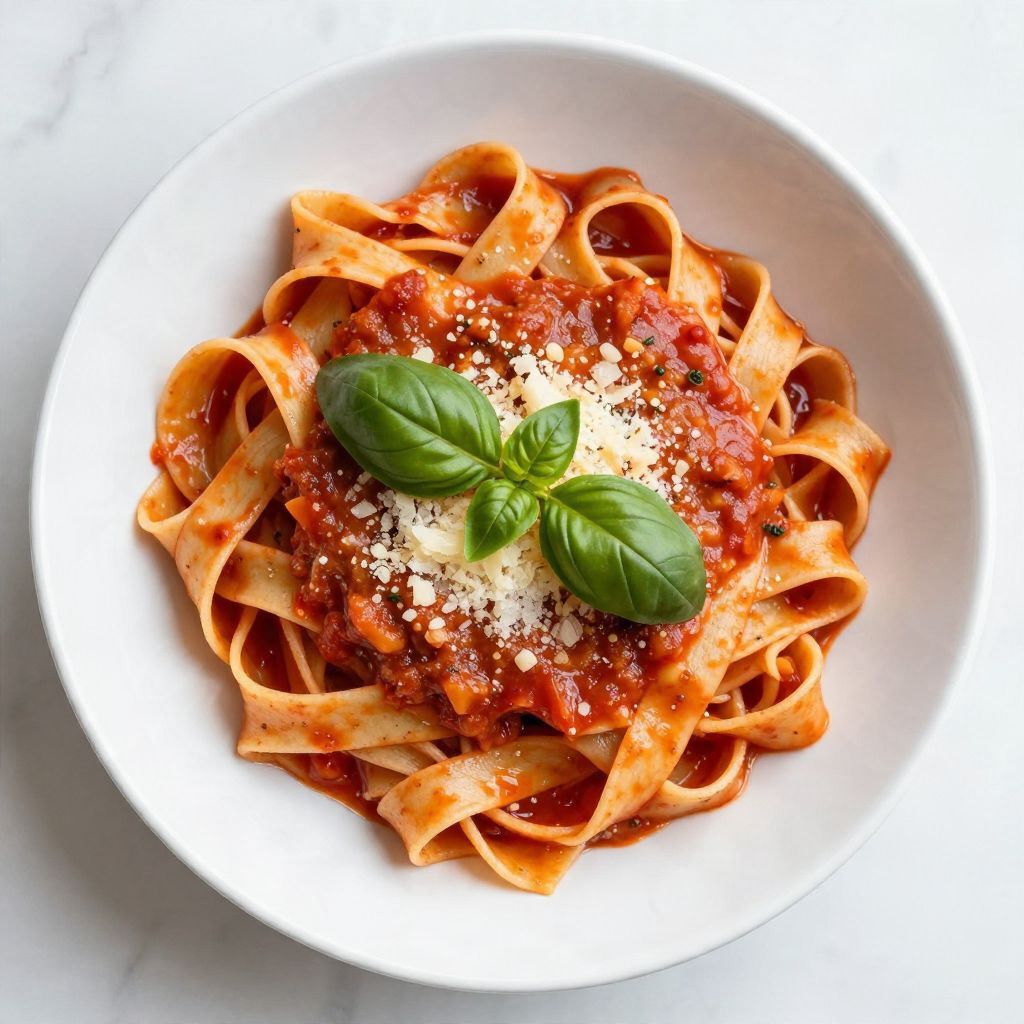
Homemade Pasta
Ingredients
Equipment
Method
- In a mixing bowl, combine the flour and salt. Make a well in the center and add the eggs and olive oil.
- Using a fork, gradually mix the flour into the eggs until a shaggy dough forms.
- Transfer the dough to a floured surface and knead for about 8-10 minutes until smooth.
- Wrap the dough in cling film or cover it with a kitchen towel and let it rest for at least 30 minutes.
- Divide the dough into quarters. Using a rolling pin or pasta machine, roll out one piece at a time until it is thin, about 1/16 inch thick.
- Using a sharp knife or pasta cutter, cut the rolled dough into your desired shape.
- Dust the cut pasta with flour to prevent sticking.
- Bring a large pot of salted water to a boil. Add the pasta and cook for 2-3 minutes until al dente.