
Picture this: a steaming bowl of freshly made noodles, glistening with sauce and topped with your favorite veggies. That’s exactly what you’ll get with this Gluten Free Noodles Recipe, perfect for those craving a comforting meal without the gluten. These noodles are not only easy to make but also delightfully chewy and versatile, making them a fantastic base for any dish. Whether you toss them in a stir-fry or serve them with a rich sauce, they promise to satisfy your cravings. Ready to learn how to whip up this deliciousness? Let’s jump into the ingredients!
Why You’ll Love This Recipe
This recipe is a winner for several reasons. You will find it is both satisfying and adaptable.
- Quick to prepare, making weeknight dinners a breeze.
- Perfectly chewy texture that holds sauces well.
- Versatile enough for various cuisines — Italian, Asian, or even fusion!
- Completely gluten-free, so everyone can enjoy it.
- Made with simple ingredients you likely have on hand.
My Experience Making This Recipe
The first time I made these noodles, I was amazed at how quickly they came together. The aroma of simmering garlic and ginger filled my kitchen, making it feel like a cozy restaurant.
When I served them to my family, they disappeared faster than I could say “gluten-free.” Everyone loved the texture, and I couldn’t help but feel proud knowing I made them from scratch.
Recipe Overview
- Recipe Name: Gluten Free Noodles
- Servings: 4
- Prep Time: 15 minutes
- Cook Time: 10 minutes
- Total Time: 25 minutes
- Course: Main Dish
- Cuisine: Various
- Calories per Serving: 220
Equipment You Will Need
- Mixing bowl
- Whisk
- Rolling pin
- Sharp knife
- Pot for boiling
- Strainer
Ingredients for Gluten Free Noodles
- 2 cups gluten-free all-purpose flour
- 2 large eggs
- 1/2 teaspoon salt
- 1 tablespoon olive oil
- Water as needed (about 2-4 tablespoons)
Ingredient Notes and Substitutions
- Gluten-free all-purpose flour: This is the base of the noodles, providing structure. You can substitute with almond flour for a nutty flavor.
- Eggs: They help bind the noodles together. For a vegan option, use flax eggs (1 tablespoon ground flaxseed mixed with 2.5 tablespoons water).
- Salt: Enhances flavor. You can omit it for a low-sodium version.
- Olive oil: Adds richness. Avocado oil works well as a substitute.
How to Make Gluten Free Noodles
Step 1: Prepare the Dough
In a mixing bowl, combine the gluten-free flour and salt. This forms the base for your noodles, ensuring they have a good structure.
Step 2: Add the Eggs
Crack the eggs into the flour mixture and add the olive oil. These ingredients provide moisture and help bind the dough together.
Step 3: Mix the Ingredients
Using a whisk or fork, mix until a dough starts to form. If it’s too dry, add water a tablespoon at a time until it holds together.
Step 4: Knead the Dough
Transfer the dough to a floured surface and knead for about 5 minutes. Kneading develops the dough’s texture and elasticity.
Step 5: Roll Out the Dough
Divide the dough into smaller pieces for easier rolling. Using a rolling pin, roll each piece out to about 1/8 inch thick.
Step 6: Cut the Noodles
Using a sharp knife, cut the rolled dough into your desired noodle shape. This is where you can get creative — wide for fettuccine or thin for spaghetti!
Step 7: Cook the Noodles
Bring a pot of salted water to a boil. Add the noodles and cook for about 3-5 minutes, until they float and are tender.
Step 8: Drain and Serve
Strain the noodles and rinse briefly under cold water. This stops the cooking process and keeps them from sticking together.
Pro Tip: Make sure to flour your work surface well to prevent sticking while rolling out the dough.
Tips for the Best Gluten Free Noodles
- Use a high-quality gluten-free flour blend for the best texture.
- Ensure the dough is not too wet; it should be slightly tacky but manageable.
- Roll the dough evenly to ensure uniform cooking.
- Experiment with adding spices to the dough for extra flavor.
- Fresh noodles can be stored in the fridge for a couple of days before cooking.
Common Mistakes to Avoid
- Not measuring the flour accurately can lead to dry or sticky dough.
- Overcooking the noodles makes them mushy; keep an eye on them.
- Skipping the resting time for the dough can result in tougher noodles.
- Using cold ingredients can affect the dough’s consistency.
Serving Suggestions
These gluten-free noodles can be dressed up in many ways. Here are some great pairing ideas:
- Top with marinara sauce and fresh basil for an Italian classic.
- Stir-fry with vegetables and soy sauce for an Asian twist.
- Mix with pesto for a fresh, herby flavor.
- Serve with a creamy Alfredo sauce for a rich experience.
Variations to Try
- Try adding spinach or beet puree to the dough for colorful noodles.
- Incorporate herbs like basil or parsley into the dough for added flavor.
- Make a spicy version by adding chili flakes to the dough.
- Substitute half the flour with chickpea flour for a protein boost.
Dietary Adaptations
- Gluten-free: This recipe is naturally gluten-free with the right flour.
- Dairy-free: It’s dairy-free; just ensure any sauces used are also dairy-free.
- Vegan: Use flax eggs instead of regular eggs.
- Low-carb/keto: Substitute with a blend of almond flour and psyllium husk.
Storage and Reheating
Refrigerator
Store cooked noodles in an airtight container in the fridge.
- They will last up to 3 days.
- Reheat gently in a pan or microwave with a splash of water.
Freezer
These noodles freeze well before cooking.
- Lay them flat on a baking sheet to freeze individually, then transfer to a bag.
- Use within 2 months for best quality.
Reheating
Reheat cooked noodles in a pan with a bit of sauce or water.
- Heat until warmed through, about 2-3 minutes on medium heat.
Nutrition Information
| Nutrient | Amount |
|---|---|
| Calories | 220 |
| Total Fat | 7g |
| Saturated Fat | 1g |
| Carbohydrates | 35g |
| Fiber | 3g |
| Sugar | 1g |
| Protein | 7g |
| Sodium | 250mg |
| Cholesterol | 150mg |
Nutrition values may vary based on specific ingredients used.
Frequently Asked Questions
Can I make these noodles ahead of time?
Absolutely! You can make the dough and store it in the fridge for a couple of days or freeze it.
What can I use instead of gluten-free flour?
You can use a blend of almond flour and tapioca flour for a different texture.
How do I prevent the noodles from sticking together?
Flour your surface and noodles well while working with them, and rinse them after cooking.
What if my noodles turn out gummy?
This usually happens when the dough is too wet or the noodles are overcooked; try adjusting next time.
Can I use these noodles in soups?
Yes! They work great in soups, just add them towards the end of cooking.
Final Thoughts
Making your own gluten-free noodles is a fun and rewarding experience. With this recipe, you can create a dish that fits your dietary needs while still being delicious and satisfying.
So why not give it a try? You may find yourself enjoying a bowl of homemade noodles more often. And if you’re interested in more gluten-free options, check out my Gluten Free Gnocchi Recipe or my Gluten Free Waffle Recipe for more culinary adventures!
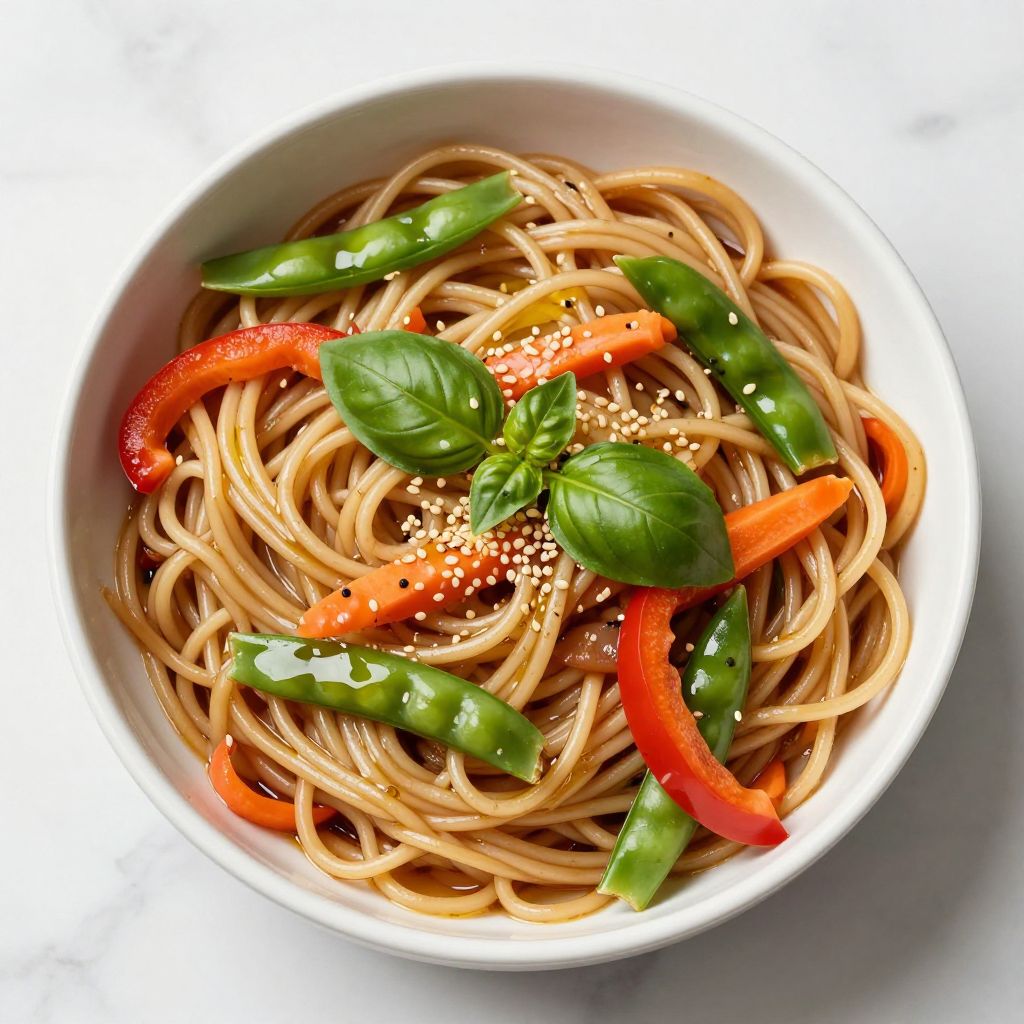
Gluten Free Noodles
Ingredients
Equipment
Method
- In a mixing bowl, combine the gluten-free flour and salt.
- Crack the eggs into the flour mixture and add the olive oil.
- Using a whisk or fork, mix until a dough starts to form.
- If the dough is too dry, add water a tablespoon at a time until it holds together.
- Transfer the dough to a floured surface and knead for about 5 minutes.
- Divide the dough into smaller pieces and roll each piece out to about 1/8 inch thick.
- Using a sharp knife, cut the rolled dough into your desired noodle shape.
- Bring a pot of salted water to a boil.
- Add the noodles and cook for about 3-5 minutes, until they float and are tender.
- Strain the noodles and rinse briefly under cold water.