
The smell of ground meat sizzling in a hot pan, mixed with garlic and soy sauce, takes me straight back to my grandmother’s kitchen in Manila. Giniling is that one Filipino dish that feels both humble and deeply satisfying, ready in under 30 minutes but tasting like you spent hours on it.
This ground meat hash deserves a spot in your regular dinner rotation because it works with whatever you have on hand, tastes amazing over rice, and feeds a crowd without breaking the bank. The combination of savory meat, soft vegetables, and rich flavors creates something that’s genuinely craveable.
Why You’ll Love This Recipe
Giniling hits all the marks for a weeknight hero: it’s quick, forgiving, and packed with real flavor that doesn’t rely on fancy ingredients.
- Ready in 25 minutes from start to finish
- Uses simple pantry staples you probably already have
- Works with beef, pork, or a mix of both
- Naturally stretches to feed more people with extra rice
- Leftovers taste even better the next day
My Experience Making This Recipe
I first made giniling on a random Tuesday when I had ground beef in the fridge and no real plan for dinner. Within 20 minutes, I had a fragrant, bubbling pan of meat and vegetables that honestly rivaled what I’d eaten at Filipino restaurants.
My partner came home to the smell and immediately asked what I was making something special for. When I told him it was just ground meat and pantry items, he didn’t believe me until he tasted it.
The real magic is how the potatoes and carrots soften into the meat, creating little pockets of texture and flavor that make every bite feel substantial. Serve it over warm rice and watch people genuinely get excited about a simple home-cooked meal.
Recipe Overview
- Recipe Name: Giniling (Filipino Ground Meat Hash)
- Servings: 4 to 6
- Prep Time: 10 minutes
- Cook Time: 20 minutes
- Total Time: 30 minutes
- Course: Main Dish
- Cuisine: Filipino
- Calories per Serving: 285 calories
Equipment You Will Need
- Large skillet or wok
- Cutting board
- Sharp chef’s knife
- Wooden spoon or spatula
- Measuring spoons
- Measuring cups
- Garlic mincer or microplane (optional)
Ingredients for Giniling
- 2 tablespoons vegetable oil
- 6 cloves garlic, minced
- 1 medium onion, finely diced
- 1 pound ground beef (or 8 ounces beef and 8 ounces ground pork)
- 2 medium potatoes, cut into small cubes
- 1 medium carrot, cut into small cubes
- 1/2 cup green peas (fresh or frozen)
- 3 tablespoons soy sauce
- 1 tablespoon oyster sauce
- 1/2 teaspoon black pepper
- 1/2 cup water or beef broth
- 1 teaspoon sugar (optional, balances the saltiness)
Ingredient Notes and Substitutions
- Ground beef: Beef provides the traditional savory base and richness that defines giniling. You can swap it for ground pork, ground chicken, or a 50/50 beef and pork mix without losing the dish’s character.
- Potatoes: Small diced potatoes absorb the flavors and add body to the dish. Sweet potatoes work as a variation, offering a subtle sweetness and slightly different texture.
- Soy sauce: This is the backbone of giniling’s savory depth. Tamari or coconut aminos work as substitutes if you’re avoiding soy, though the flavor will shift slightly.
- Oyster sauce: It adds umami sweetness that balances the salty soy sauce. Fish sauce (1/2 teaspoon) is a traditional Filipino swap, but use sparingly as it’s pungent.
- Green peas: They add sweetness, color, and a pop of texture. Corn, diced bell peppers, or green beans are equally good swaps that keep the dish vibrant.
How to Make Giniling
Step 1: Heat Your Oil and Toast the Garlic
Pour the vegetable oil into a large skillet over medium-high heat and let it shimmer for about 30 seconds. Add the minced garlic and stir constantly for 30 to 45 seconds until fragrant, being careful not to let it brown because burnt garlic tastes bitter and will ruin your base.
Step 2: Cook the Onions Until Soft
Add the diced onions to the garlic and stir frequently for 2 to 3 minutes until they turn translucent and begin to soften. This creates a flavorful aromatic base that seasons everything that comes next.
Step 3: Brown the Ground Meat
Push the onions to the side and add the ground meat to the pan, breaking it up with your spoon as it cooks for 4 to 5 minutes. Keep stirring and pressing to ensure the meat breaks into small, even pieces rather than staying clumpy, which helps it distribute flavor throughout the dish.
Step 4: Drain Excess Fat If Needed
If you see a pool of fat sitting on top of the meat, tilt the pan and carefully spoon some out. You want enough fat to flavor the dish but not so much that it becomes greasy.
Step 5: Add the Potatoes and Carrots
Stir in the diced potatoes and carrots, mixing them thoroughly with the meat and aromatics. These vegetables need direct contact with the heat to start softening, so don’t bury them too deep in the mixture.
Step 6: Season with Soy and Oyster Sauce
Pour in the soy sauce, oyster sauce, and black pepper, stirring everything together so the seasonings coat all the ingredients evenly. This is when the dish transforms from looking like plain ground meat into something that smells absolutely craveable.
Step 7: Add Liquid and Simmer
Pour in the water or beef broth and stir to combine, then reduce the heat to medium and let the mixture simmer uncovered for 8 to 10 minutes. The liquid helps soften the potatoes and carrots while the soy and oyster sauces infuse into every bite.
Step 8: Add Peas and Finish
Stir in the green peas and cook for another 2 to 3 minutes until the peas are heated through and the potatoes are completely tender when pierced with a fork. Taste and add the sugar if you want to balance the salty flavors, then adjust seasoning to your preference.
Pro Tip: Cut your potatoes and carrots into small, uniform cubes about the size of peas so they cook at the same rate and create nice little pockets of texture throughout the dish.
Tips for the Best Giniling
- Don’t skip mincing the garlic fresh: Pre-minced garlic from a jar tastes flat and slightly off compared to fresh garlic, and since garlic is basically the star here, it’s worth the 30 seconds of work.
- Use a mix of beef and pork: Half a pound of each gives you better flavor complexity than straight beef alone, but go with whatever you have on hand.
- Cut vegetables uniformly: Pieces of similar size cook evenly, so you don’t end up with mushy carrots and hard potatoes in the same bite.
- Don’t overcrowd the pan: If you’re doubling the recipe, use two skillets or work in batches so the meat browns properly instead of steaming.
- Cook the potatoes fully: Undercooked potatoes ruin the texture, so keep simmering until they’re genuinely soft when you press them with a spoon.
- Let it sit for 2 minutes off heat: The flavors meld slightly after you turn off the heat, making the final dish taste more rounded and integrated.
Common Mistakes to Avoid
- Adding the water too early: If you add liquid before browning the meat, it steams instead of developing a flavorful crust, making the dish taste thin and one-dimensional.
- Using ground meat straight from the fridge: Cold meat clumps and doesn’t brown properly, so let it sit out for 10 minutes before cooking for better browning and texture.
- Not seasoning as you go: Taste after the peas go in and adjust soy sauce or salt at that point; trying to season at the very end means the flavors don’t have time to integrate.
- Leaving potatoes too large: Chunks bigger than a pea will take forever to cook and ruin the dish’s creamy, cohesive texture.
- Cooking on too low heat: Medium-high is essential for browning meat and creating depth of flavor; low heat just makes everything steam and taste watered down.
Serving Suggestions
Giniling is best served over steamed white rice, where it can nestle into the grains and let you soak up every drop of sauce. The rice provides a neutral canvas that lets the savory, umami-forward flavors of the meat and vegetables really shine.
- Serve over warm jasmine rice with a fried egg on top for a simple, satisfying meal
- Spoon it into lettuce cups for a lighter, carb-conscious option
- Toss with cooked egg noodles for a Filipino-inspired pasta situation
- Use it as a filling for empanadas or pastry pockets
- Top it with fresh cilantro and a squeeze of lime for brightness
Variations to Try
- Giniling with Raisins: Add 1/4 cup golden raisins when you add the water for a touch of sweetness that’s popular in some regional Filipino versions and adds unexpected complexity.
- Spicy Giniling: Stir in 1/2 teaspoon red pepper flakes or one diced fresh chili along with the garlic for heat that builds gradually without overwhelming the other flavors.
- Giniling with Mushrooms: Dice 8 ounces of mushrooms and cook them with the onions, adding an earthy depth and making the dish more satisfying even with less meat.
- Giniling with Bell Peppers: Swap half of the carrots for diced bell peppers (any color) added in the last 5 minutes of cooking to keep them slightly firm and add fresh, bright flavor.
- Pork and Liver Giniling: Use 12 ounces ground pork mixed with 4 ounces finely chopped liver for an authentic Filipino approach that adds rich, iron-forward depth.
Dietary Adaptations
- Gluten-Free: Swap regular soy sauce for tamari or certified gluten-free soy sauce to keep the dish naturally gluten-free; the flavor and umami stay exactly the same.
- Dairy-Free: Giniling is naturally dairy-free, so no changes needed here aside from checking your soy and oyster sauces for sneaky dairy additives.
- Vegetarian or Vegan: Replace ground meat with crumbled tofu or finely diced mushrooms and walnuts cooked down together to mimic the meat’s texture and add savory depth.
- Low-Carb or Keto: Skip the potatoes entirely and replace them with cauliflower rice or diced zucchini cooked slightly longer to mimic the potato’s texture; the dish still tastes amazing.
Storage and Reheating
Refrigerator
Giniling keeps well in an airtight container for up to 3 days in the fridge. The flavors actually get better as the soy and oyster sauces continue to deepen.
- Cool completely before covering to prevent condensation from making it watery
- Store in a flat container so it reheats evenly
Freezer
Giniling freezes beautifully for up to 2 months when stored in a freezer-safe container or heavy-duty freezer bag. Flat containers or bags thaw faster than tall ones.
- Leave a little room at the top for expansion
- Label with the date so you remember when you made it
Reheating
Reheat gently over medium heat in a skillet, adding a splash of water or broth if it’s dried out. You can also microwave it in 1-minute intervals, stirring between rounds.
- Stovetop reheating preserves texture better than microwaving
- Add a splash of soy sauce if the flavors seem muted after freezing
Nutrition Information
| Nutrient | Amount |
|---|---|
| Calories | 285 |
| Total Fat | 14g |
| Saturated Fat | 5g |
| Carbohydrates | 18g |
| Fiber | 2g |
| Sugar | 3g |
| Protein | 26g |
| Sodium | 620mg |
| Cholesterol | 72mg |
These values are estimates based on standard ingredients and assume 6 servings. Actual nutrition varies with specific brands and portion sizes, so consider them a guide rather than exact numbers.
Frequently Asked Questions
Can I Make Giniling Without Oyster Sauce?
Yes, increase the soy sauce to 4 tablespoons and add 1/2 teaspoon fish sauce for that extra umami depth oyster sauce would normally provide. The dish shifts slightly in flavor but stays absolutely delicious.
How Far in Advance Can I Prep Giniling?
You can chop all your vegetables and mince your garlic up to a day ahead, storing them in separate containers in the fridge. The actual cooking takes only 25 minutes, so assembly and cooking same-day is the way to go.
What If My Potatoes Are Still Hard After the Peas Go In?
Add another 1/4 cup of water and let it simmer for 3 to 5 minutes longer until they’re completely tender. Don’t skip this step because undercooked potatoes ruin the eating experience.
Can I Use Ground Chicken or Turkey Instead?
Absolutely, though poultry is leaner so add an extra tablespoon of oil to the pan and don’t drain as much fat. The result tastes lighter and less rich but still satisfying and delicious.
Why Does My Giniling Taste Watered Down?
You probably added the liquid too early before properly browning the meat, or your heat was too low. Brown the meat hard first, then add liquid, and simmer uncovered so some evaporates and concentrates the flavors.
Is Giniling the Same as Picadillo?
They’re cousins but not identical. Picadillo is Spanish and often includes raisins and olives, while giniling is Filipino and focuses on soy and oyster sauce with potatoes and carrots. Both are ground meat hashes that share a concept but differ in execution.
Final Thoughts
Giniling proves that great food doesn’t require fancy ingredients or complicated technique, just honest ingredients cooked with attention and care. Every time I make it, I’m reminded why this dish is a staple in Filipino kitchens and why it deserves to be a regular in yours.
Get a pound of ground meat, chop some vegetables, and spend 30 minutes making something that tastes like you actually worked for it. Your weeknight dinner routine is about to get seriously better.
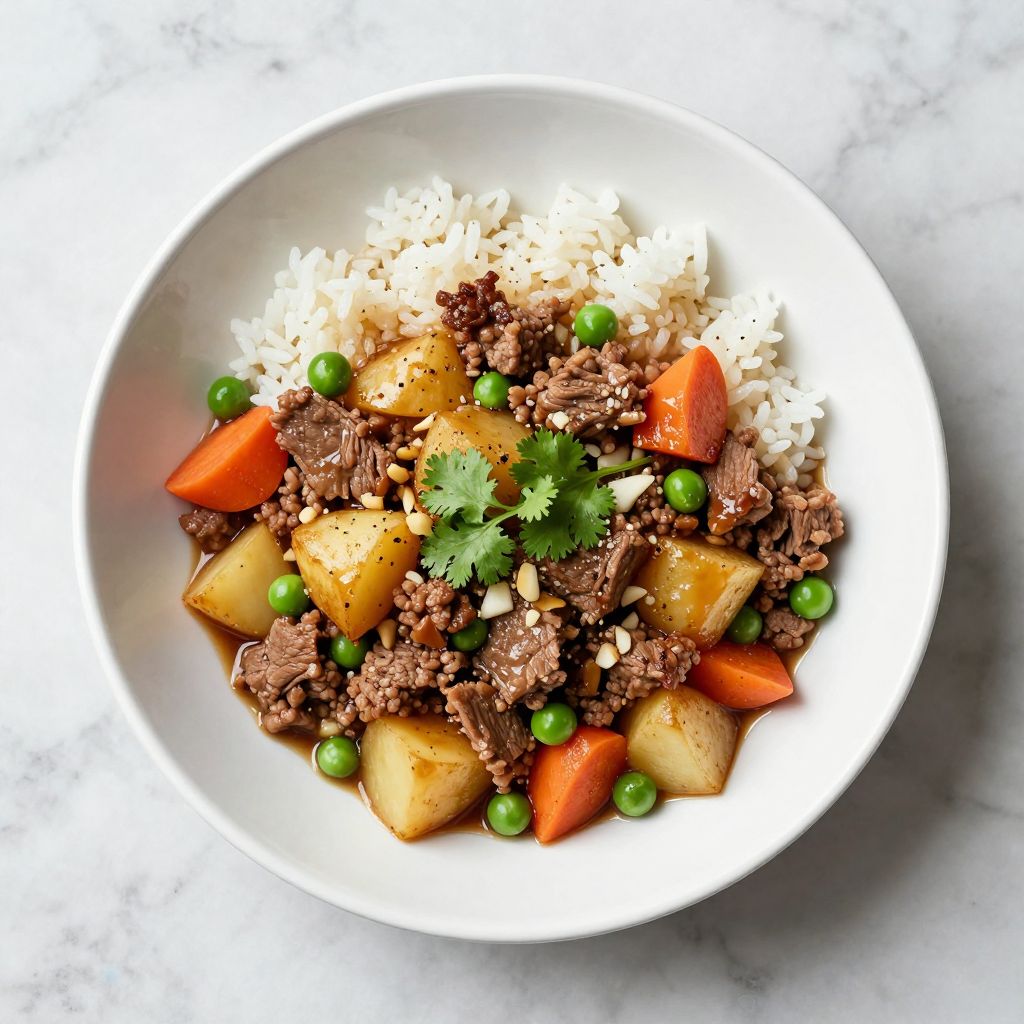
Giniling (Filipino Ground Meat Hash)
Ingredients
Equipment
Method
- Pour the vegetable oil into a large skillet over medium-high heat and let it shimmer for about 30 seconds. Add the minced garlic and stir constantly for 30 to 45 seconds until fragrant, being careful not to let it brown.
- Add the diced onions to the garlic and stir frequently for 2 to 3 minutes until they turn translucent and begin to soften.
- Push the onions to the side and add the ground meat to the pan, breaking it up with your spoon as it cooks for 4 to 5 minutes. Keep stirring and pressing to ensure the meat breaks into small, even pieces.
- If you see a pool of fat sitting on top of the meat, tilt the pan and carefully spoon some out.
- Stir in the diced potatoes and carrots, mixing them thoroughly with the meat and aromatics.
- Pour in the soy sauce, oyster sauce, and black pepper, stirring everything together so the seasonings coat all the ingredients evenly.
- Pour in the water or beef broth and stir to combine, then reduce the heat to medium and let the mixture simmer uncovered for 8 to 10 minutes until the potatoes are tender.
- Stir in the green peas and cook for another 2 to 3 minutes until the peas are heated through and the potatoes are completely tender when pierced with a fork. Taste and add the sugar if you want to balance the salty flavors, then adjust seasoning to your preference.
- Let the dish sit for 2 minutes off heat before serving over steamed white rice.